
Golfito Marina Plans Customs and Port Services for Yachts
Marina Bahía Golfito highlights prospective customs, port services, road access and research facilities in Costa Rica before FLIBS 2026.
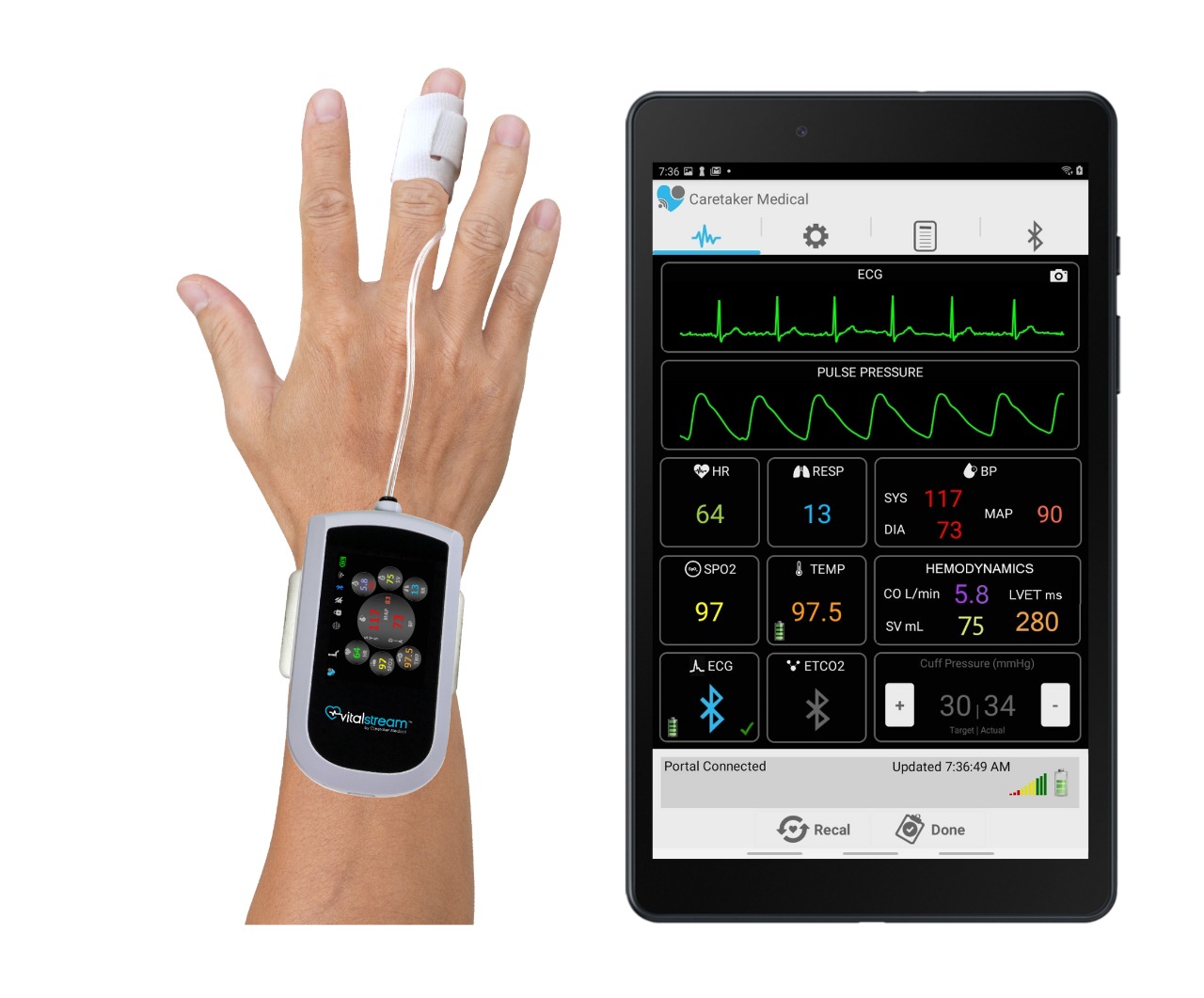
MedAire VitalStream wearable and monitoring display official press illustration
MedAire outlines wearable vital-sign monitoring for superyacht medical support, linking onboard observations with shoreside physicians through its advisory service.
MedAire has included the VitalStream wearable monitoring system in its plans for METSTRADE 2026, identifying remote transmission of medical observations as an important element of superyacht preparedness. The company's exhibitor announcement, dated 5 August 2026, describes a system intended to connect crew members on a vessel with physicians working through its MedLink advisory network. The product was already the subject of a company announcement in November 2025, so its appearance in this year's exhibition programme should not be mistaken for its original launch. The interest for owners and captains is the possibility of making certain measured patient observations available to a clinician who cannot be physically present aboard the yacht. In a remote cruising area, the available information and the time required to reach professional medical facilities can influence the arrangement of appropriate care. A remote monitoring device is one possible component of that arrangement. It is not a substitute for trained responders, medical advice, appropriate emergency procedures or timely access to definitive care.
The public product description lists more than twenty vital-sign parameters, including blood pressure, heart rate, respiratory rate and measurements related to circulation. It also identifies oxygen saturation, ECG information and body temperature, with additional probes required for certain observations. The individual measurements do not all have the same clinical purpose or significance. For example, a recorded value may be considered alongside other observations or a patient's medical history, and a trend over time may be more useful in some circumstances than an isolated reading. The manufacturer describes continuous blood pressure monitoring without a conventional arm cuff as a feature of the equipment. The performance of any particular measurement depends on the validated use of the device and the circumstances under which it is employed. MedAire's product material should be read alongside the applicable instructions and limitations, rather than treated as a complete clinical reference. Neither the ability to display a reading nor the number of parameters available establishes that a diagnosis can be made solely from the device. Clinical interpretation remains the responsibility of the appropriately qualified professional.
According to the company, the equipment can transmit measurements using the yacht's Wi-Fi connection so that its medical team can monitor the information remotely. A distinction must be made between the availability of a wireless network aboard the yacht and its ability to communicate with a service ashore. A local network may remain operational even when the vessel's external communication service is unavailable. Offshore coverage, available bandwidth, technical faults and the conditions in which an emergency occurs can affect that link. The public announcement does not establish a guaranteed minimum connection performance or describe every feature that remains available following a complete loss of external connectivity. Those questions should be raised with the supplier before equipment is incorporated into a yacht's medical arrangements. The relevant technical teams may need to consider connectivity together with the people responsible for medical preparedness. An adequate plan cannot depend entirely on an uninterrupted remote service. The vessel's existing procedures for contacting assistance, arranging evacuation where necessary and managing the period before additional help becomes available remain fundamental.
MedAire states that the wearable can be applied quickly and presents the system as a means of supporting crew members in collecting and communicating information. The presence of a digital interface should not be interpreted as removing the need for training or conferring medical qualifications on the person using it. Even an apparently straightforward monitoring procedure may require an understanding of the correct application of components, the recognition of unusable readings and the information that must be communicated alongside the measurements. The appropriate training requirements depend on the equipment and the crew's responsibilities. The company's reference to rapid application is a description of the product's intended operation under suitable circumstances, not a guaranteed time in every practical situation. An owner or manager should establish the training provided with the equipment, the availability of continuing support and the arrangements for familiarising replacement crew members with it. If an emergency develops, appropriate medical assistance and the vessel's emergency procedures should take priority over attempting to complete a monitoring setup that is causing delay.
The supplier describes the automatic creation of case reports containing observations, trends and other information associated with monitored events. Such a record could be useful where responsibility for a patient's care passes from one professional team to another. The physician receiving the patient may benefit from understanding which observations were recorded and how the condition appeared to change before arrival. However, an automatically produced record should not be considered a complete medical history or an independently verified account of all events. The circumstances of the incident, medications or interventions and other information not captured by the device may need to be communicated separately by the relevant people. It is also important to consider whether the observations are associated with the correct patient and relevant time period. Procedures for transferring information should be established consistently with the applicable medical and confidentiality requirements. The public product information does not provide the complete specifications for retention, export or access to records, so the yacht's responsible representatives would need to obtain those details.
Information concerning a person's health can be particularly sensitive in the environment of a privately operated yacht, where guests, owners, personal staff and crew may all occupy the same vessel. A networked medical device introduces a need to consider the handling of that information as part of the operating arrangement. The company describes secure transmission to its medical professionals, but the public statement is not a comprehensive assessment of the system's privacy or information-security provisions. The identity of the organisations responsible for processing information, the intended recipients and the applicable terms governing the service should be established before deployment. A yacht manager may need to distinguish the records that are necessary for operational or administrative purposes from confidential clinical information that should not generally be available to unrelated personnel. The involvement of a shoreside medical provider does not by itself justify indiscriminate access to a patient's observations. The appropriate arrangements depend on the circumstances and applicable law, including the location of the parties involved and the nature of the service being provided.
A yacht that regularly visits populated coastal destinations may have a different medical-support profile from an expedition vessel operating for extended periods away from established facilities. The suitability of remote monitoring equipment should be examined in that context. Relevant questions include the support arrangements under the yacht's existing medical service, the condition and accessibility of onboard equipment, power and connectivity requirements and the procedures used when professional assistance is necessary. MedAire reports regulatory clearances for the device, and prospective purchasers should confirm the actual indications, documentation and applicable regulatory status of the version being supplied. The public announcement is not an independent evaluation of clinical outcomes or a guarantee that using the equipment will prevent a medical evacuation. Decisions concerning whether a person requires transfer for medical assessment must remain with the relevant clinical and operational professionals. The equipment may support the exchange of information, but the broader medical arrangements need to address the period before assistance becomes available and the means by which that assistance will be reached.
VitalStream's inclusion in MedAire's METSTRADE programme provides an opportunity to examine an emerging element of remote yacht medical support: the communication of measured observations directly to an advisory service. The company's public material establishes the proposed role of the wearable, the communication arrangement, the types of observations supported and the potential availability of continuing records. It does not establish that the device is suitable for every patient or circumstance, nor does it quantify its effect on outcomes in a specific superyacht operation. Superyacht Guide has not tested the equipment or independently evaluated its clinical performance. Its relevance to owners and yacht managers lies in the relationship between medical equipment, trained people, communication infrastructure and established emergency arrangements. Those elements should be planned together rather than evaluated in isolation. The value of such technology is likely to depend on whether it can supply useful and reliable information to the appropriate professional without compromising other aspects of the response. The exhibition presentation offers a practical starting point for that discussion.
Primary source: MedAire official METSTRADE exhibitor announcement, 5 August 2026.
Further information: MedAire official VitalStream product information.
MedAire / METSTRADE exhibitor press release. Official product illustration showing wearable and display, not a clinical evaluation. Official source.
Continue reading
Marina Bahía Golfito highlights prospective customs, port services, road access and research facilities in Costa Rica before FLIBS 2026.
How wastewater, greywater and environmental compliance affect superyacht cruising, from holding tanks and treatment plants to ports and refits.
HM Revenue & Customs revised the goods declaration section of UK pleasure craft arrival guidance on 16 November, including overseas equipment purchases.

FGI Yacht Group announces a partnership with flyExclusive, linking yacht brokerage and charter clients with private aviation and amphibious transfers.
Superyacht Guide
Continue into the wider Superyacht Guide.
Business opportunities · Superyacht Guide
Companies serving the superyacht market can discuss clearly identified advertising, sponsorship and business-profile opportunities. Commercial activity remains separate from independent editorial coverage.