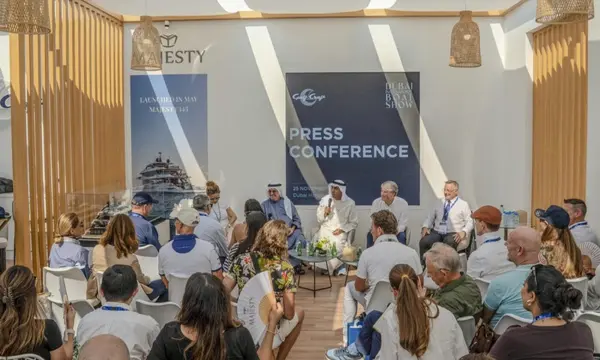
Gulf Craft Brings Majesty 120 and Three SilverCat Debuts to Dubai
Gulf Craft's 25 November show briefing combines its Majesty 100 Terrace and 120 superyachts with three SilverCat premieres and a dedicated SYSC yacht-service presence.
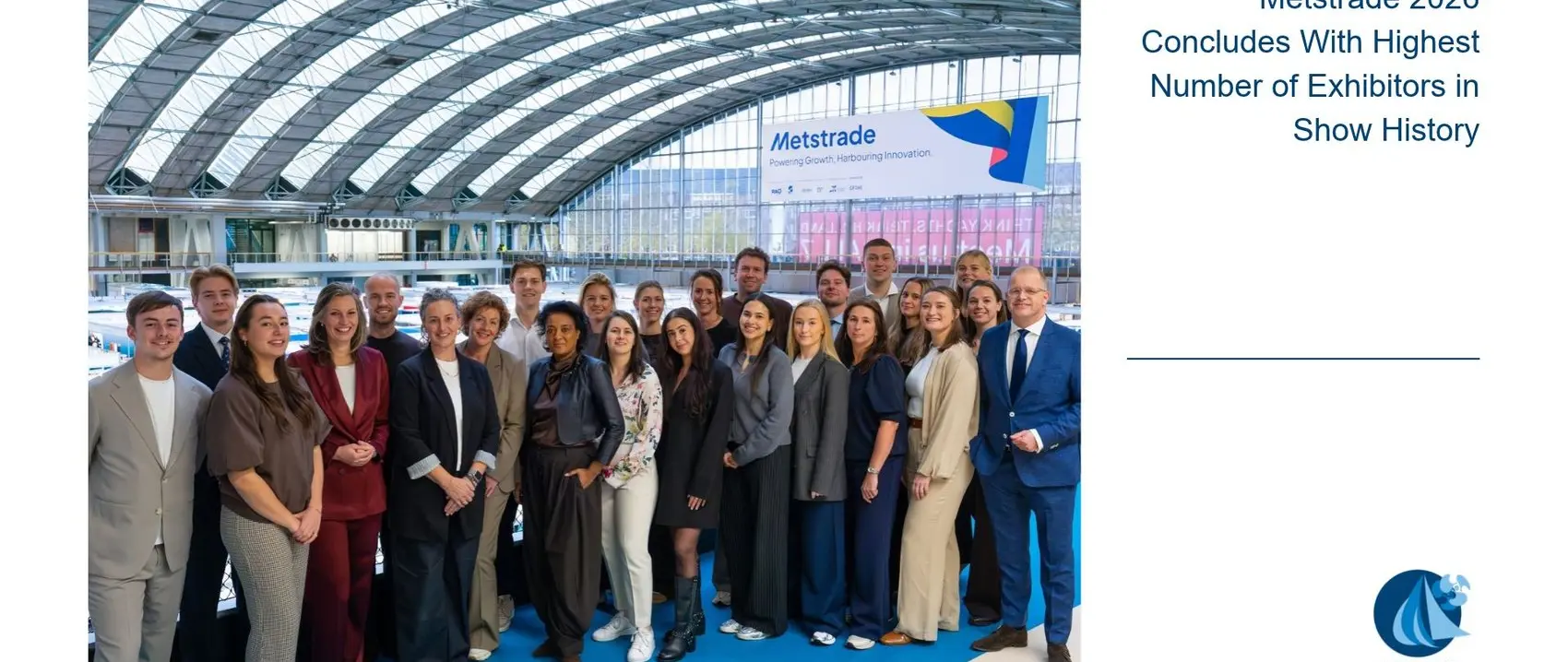
© ICOMIA / source event organisers. Official first-party editorial event photograph, published with the originating association’s news release.
ICOMIA reports record METSTRADE 2026 exhibitor numbers and an expanded specialist floorplan, highlighting the depth of the international superyacht supply chain.
METSTRADE concluded its 2026 edition in Amsterdam with 1,763 exhibitors, the highest number recorded by the marine-equipment trade show. The International Council of Marine Industry Associations, or ICOMIA, published that figure on 25 November, reporting a four-percent increase on the previous edition. The association also recorded 19,487 unique visitors representing 144 countries and more than 31,000 visits during the show. For the superyacht industry, those figures matter because METSTRADE is not merely a collection of consumer boats. It is a marketplace where yards, design teams, equipment manufacturers, refit contractors and operational suppliers meet the companies that select and purchase systems for complex vessels.
Attendance and exhibitor totals measure the scale of the event, not the value of contracts signed or the financial health of every marine business. ICOMIA's figures confirm the number of businesses participating and the breadth of international attendance. They do not disclose how many superyacht projects placed orders, how much business was transacted, or whether individual exhibitors had profitable shows. That distinction is important at a time when suppliers face differing market conditions. A record exhibition can indicate a continuing willingness to invest in visibility and commercial relationships without proving that every region or product category is expanding at the same pace.
The relevance to owners of yachts longer than 24 metres is sometimes indirect but significant. A captain may never order a new yacht at METSTRADE, yet decisions about propulsion, ventilation, control panels, coatings and deck equipment often originate in supplier meetings. Shipyard project managers use trade shows to assess technology and compare manufacturers before committing to a specification. Refit teams can discover alternative components or maintenance methods that affect vessel downtime. Consequently, the number of exhibitors is a useful signal about the availability of products and partners across the industry's extensive supply chain, even though it does not guarantee a particular delivery slot or price.
ICOMIA reports that the 2026 exhibition layout expanded and repositioned several specialist areas, including the Superyacht Zone, the Marina & Yard Zone and the Construction Materials Zone. These changes were designed to make the floor more connected and to improve the visibility of relevant manufacturers and service businesses. Physical layout sounds like an operational detail, but it can affect the efficiency of a project team's visit. A yacht designer looking at decorative materials may need to speak to the engineering supplier responsible for fire safety or installation. Bringing related exhibitors into a more navigable arrangement can make those cross-disciplinary conversations easier.
For large-yacht builders, material selection affects far more than appearance. Weight, durability, serviceability, environmental performance and fabrication methods all shape a project. The expanded Construction Materials Zone illustrates why shipyards need conversations with producers before committing to a design. Alternative composites or interior finishes may offer benefits, but technical documentation and suitability for the intended application still require verification. Classification requirements, installation instructions and repair provisions cannot be replaced by a demonstration on a trade stand. Buyers should regard the exhibition as the beginning of due diligence, where promising claims are documented for later engineering review.
ICOMIA identifies electrification among the central themes discussed at the show. This is relevant to large yachts through hybrid machinery arrangements, hotel-load management, battery systems, charging infrastructure and the demand for more efficient auxiliary equipment. However, a product suitable for a tender or smaller leisure boat does not automatically scale to an eighty-metre yacht. Large vessels present different power profiles, redundancy expectations and regulatory demands. Procurement teams should ask suppliers for verified performance data and clear statements of intended application. The result is a more useful technology assessment than assuming that the presence of electric equipment at an exhibition proves readiness for every superyacht.
Digital systems were another theme highlighted by ICOMIA. For a modern yacht, the technology conversation can span bridge equipment, onboard networks, remote monitoring, maintenance records and supplier communications. Integration is usually a greater challenge than adding an individual display or connected component. Owners need reliable systems that crew members can operate, protect and support long after a vessel's delivery. A demonstration should therefore prompt questions about interoperability, cybersecurity, data ownership and service response. The real test of an attractive new digital feature is how it performs within the complete vessel and through future software updates.
The association also points to sustainability as a prominent area of discussion. That word can cover energy use, materials, waste handling and environmental impacts in construction, operation and refit. For a large yacht, the priority should be measurable outcomes rather than broad promises. A supplier claiming an efficiency improvement should explain the conditions and baseline used to obtain it. A new material should come with information about durability, maintenance and end-of-life treatment. Exhibition visibility can help bring such ideas before project teams, but credible adoption depends on technical assessment and evidence suited to the boat's particular operating profile.
The Marina & Yard Zone is especially relevant because a superyacht's life continues long after delivery. Yachts need berthing, shore power, refit space, skilled contractors and practical access to replacement equipment. The physical infrastructure serving increasingly complex vessels has to keep pace with advances in onboard systems. A new product may also create maintenance requirements that marinas and yards must be able to support. Bringing infrastructure providers and equipment suppliers into related conversations can expose those dependencies early. It does not, by itself, solve shortages of berths or yard capacity, but it encourages joint planning.
ICOMIA identified workforce development as another prominent subject. Large-yacht construction and refit rely on skilled welders, electricians, engineers, outfitters and technicians, alongside naval architects and project managers. New products can increase demand for specialist installation and diagnostic expertise. An industry event has value when it connects education, manufacturing and employers rather than merely displaying finished systems. Buyers should ask not only whether a technology can be installed, but whether technicians will be available to maintain it internationally. Training and after-sales support can determine the usefulness of equipment as decisively as its published specification.
Visitors from 144 countries illustrate the geographical reach of METSTRADE, although the source does not provide a breakdown of purchasing authority or superyacht representation. International diversity matters because yachts move between jurisdictions and owners may seek support far from the original build location. Equipment supplied by a company in one country can require diagnostics, warranty service or replacement parts on another continent. Meeting international distributors and service agents can therefore be productive for shipyards and managers. It is important, however, to verify actual support contracts and response capabilities rather than assuming that a manufacturer's international marketing presence guarantees local service.
The association's release includes positive commentary about the quality of conversations and business activity at the exhibition. Those assessments are valuable as the organisers' reported perspective, not as audited market data. A busy trade floor can contain companies facing uneven orders, changing margins and delayed projects. One exhibitor's successful launch does not establish a broad economic trend. Responsible coverage distinguishes the record participation figures from expectations about future sales. Owners and investors considering a shipyard or supplier should still look at order books, financial resilience, references and the capacity to deliver, not rely on attendance alone.
A useful METSTRADE visit begins with specific technical and commercial questions. An owner representative might ask about quieter equipment or lower hotel loads, while an engineering manager compares integration requirements and an interior designer looks at new materials. A refit director could concentrate on components that shorten maintenance periods or allow better access. Each attendee needs documentation that can be reviewed after the show. Collecting samples and brochures is only the first step. A credible supplier should be able to identify responsible engineers, test reports, warranties and the service network that would support an eventual contract.
The economic value of a large exhibition is often realised after the halls close. Technical demonstrations need to be matched to drawings, detailed specifications and actual vessels. Meetings should lead to clear next actions and realistic deadlines, not just a pile of contacts. When supplier claims concern energy efficiency, environmental performance or durability, the project team should request independently verifiable information. Any proposal to substitute equipment on a yacht in build must also be assessed against classification and owner approvals. The event's scale may widen the field of options, but a disciplined procurement process determines which options create genuine value.
ICOMIA's release provides specific visitor and exhibitor figures and describes the exhibition's layout and themes. It also contains an apparent inconsistency in a sentence about the following year's dates. Until that is independently corrected, the responsible approach is to cite the completed 2026 event without repeating a possibly erroneous future schedule. This distinction illustrates a wider editorial principle for industry reporting: authoritative first-party sources should still be read critically. Figures and quotations need context, and future commitments should not be inferred from statements about participation. Precision makes an industry retrospective more useful than an unqualified celebration.
With 1,763 exhibitors spread across all 13 halls, METSTRADE 2026 has set a measurable benchmark for participation. The most important question for the superyacht sector is what happens after the exhibition. New supplier relationships may produce better installation practices, different propulsion choices, improved marina services or more maintainable onboard systems. None of those outcomes can be claimed merely from the attendance total. What the show clearly demonstrated was a substantial international gathering focused on the technology and business conditions shaping marine equipment. The practical work now belongs to buyers, designers, yards and operators turning those conversations into verifiable decisions.
An owner may see the effects of this trade show years later in a vessel that is simpler to maintain, quieter at anchor or better supported on a distant itinerary. The connection is indirect but real: suppliers influence the options available when a new build is specified or an existing yacht is refitted. ICOMIA's 25 November report confirms the scale of participation and the prominence of sustainability, digitalisation, electrification and workforce discussions. It does not provide financial forecasts or product approvals. That is the balanced conclusion: a record event and a strong opportunity for industry collaboration, with commercial and engineering results still to be established through follow-up work.
Continue reading
Gulf Craft's 25 November show briefing combines its Majesty 100 Terrace and 120 superyachts with three SilverCat premieres and a dedicated SYSC yacht-service presence.
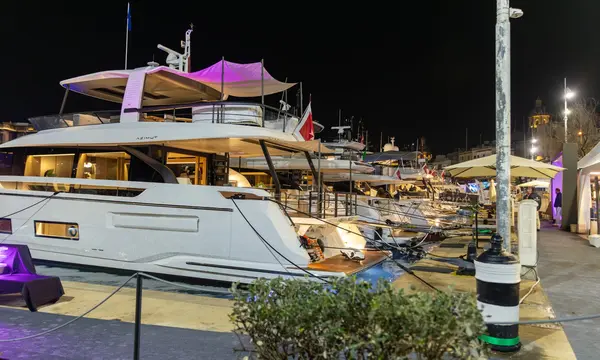
Yachting Malta reports thousands of visitors and more than 70 exhibitors at the third Malta Boat Show, held at Dock 1 in the Three …
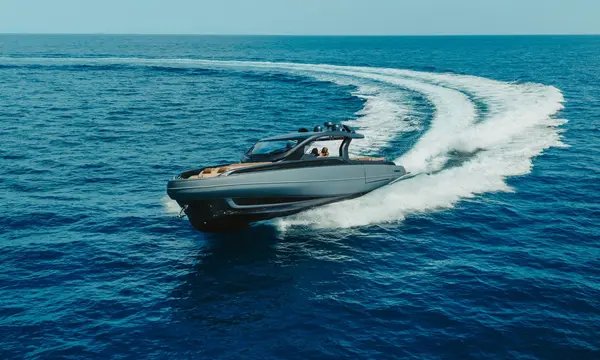
SACS brings the Rebel 55 to the Dubai International Boat Show from 25 to 29 November 2026, giving the luxury performance boat its first …

New discussions at The Superyacht Forum explored reef-supporting marina construction, environmental data at sea and emergency freshwater aid from superyachts.
Superyacht Guide
Continue into the wider Superyacht Guide.
Business opportunities · Superyacht Guide
Companies serving the superyacht market can discuss clearly identified advertising, sponsorship and business-profile opportunities. Commercial activity remains separate from independent editorial coverage.