Monaco Captains Forum Reports 128 Captains Debating Future Yacht Fuels
By Stephen Yardley · Edited by Stephen Yardley
The 31st Captains' Forum organised by Yacht Club de Monaco drew 128 participating captains and maritime specialists to a discussion of the energy sources that may power the next generation of large yachts. The club's pos
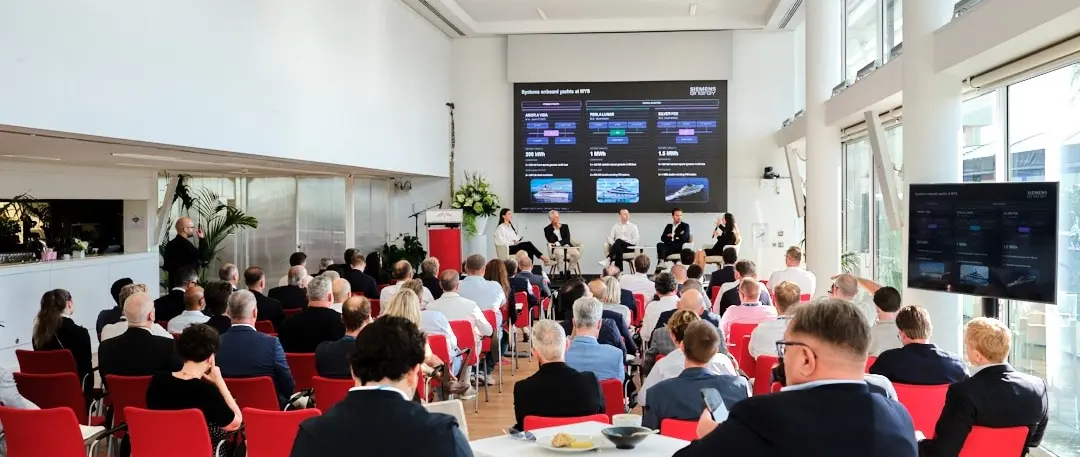
The 31st Captains' Forum organised by Yacht Club de Monaco drew 128 participating captains and maritime specialists to a discussion of the energy sources that may power the next generation of large yachts. The club's post-event account examined alternatives including wind assistance, solar generation, batteries and different lower-carbon fuel pathways. Unlike an earlier SYG preview announcing the gathering, this report addresses the debate after participants met.
The event brought professional operators into the discussion alongside technology providers and representatives from the shipbuilding sector. Captains have a distinctive perspective because they must translate design claims into reliable fuel supply, passage planning and safe daily operations. A technology presented as promising in a conference setting still needs engineering validation before adoption on an individual yacht.
Wind-assisted propulsion may reduce engine demand during passages under appropriate conditions, while solar equipment can contribute electricity for selected onboard uses. Neither source operates consistently, and installed surface area, routing choices and prevailing weather determine practical energy yield. Design comparisons need to specify the vessel's operating profile rather than relying on theoretical peak output.
For motor yachts with substantial hotel loads, even long periods at anchor may require far more energy than deck-mounted photovoltaics can generate. Electrical integration, maintenance access and safety are as important as appearance. Any reduction in generator run time should be measured over representative usage rather than inferred from installed panel capacity.
Energy storage can help manage brief peak loads and permit quieter operation under some circumstances. Its useful capacity depends on battery chemistry, cooling, power conversion, fire-protection arrangements and reserve margins. Additional battery weight and compartment requirements must be reconciled with stability and safe service access.
The forum's broad consideration of electrification does not mean that fully battery-powered propulsion is suitable for every large superyacht. For many displacement yachts, energy required for long crossings remains much greater than can practicably be stored in the space available. Hybrid arrangements therefore often target specific operating modes rather than claiming complete fuel independence.
Hydrotreated vegetable oil, methanol and hydrogen offer different possibilities and constraints, including energy density, storage, availability and safety procedures. The lifecycle benefit of a fuel depends heavily on how it is produced and transported. An alternative cannot be judged only by the emissions released at the vessel's exhaust.
Captains also have to consider whether the intended cruising ports can deliver the required fuel consistently and at appropriate quality. A technically feasible engine arrangement may still create operational limitations if bunkering infrastructure is sparse. Standards, crew training and emergency procedures need to develop alongside vessel design.
A new yacht may be engineered around its chosen energy system from the earliest drawings, allowing designers to allocate space and structural protection appropriately. Refitting an existing vessel is more constrained by tanks, machinery compartments and existing power distribution. Owners should therefore distinguish modest efficiency upgrades from major propulsion conversions that may require extensive class review.
The participation of shipyards and technology companies illustrates why the transition involves a network rather than one supplier. Yacht Club de Monaco's forum provides a place for operational experiences to inform engineering and policy discussions. It does not produce binding technical rules or guarantee that every concept discussed will reach production.
Yacht Club de Monaco has made innovation and responsible yachting recurring subjects of its professional programme. The Captains' Forum gives working officers an opportunity to compare challenges with shipyards, equipment businesses and service providers. Its value lies in informed debate and the possibility of more realistic specifications.
The post-event reporting highlights a pragmatic conclusion: future propulsion and onboard-energy systems will likely involve combinations of technologies selected for actual missions. The 128-captain participation demonstrates interest, not consensus on one fuel or proof of a universal solution.
Progress will be evident in demonstrable sea-trial results, fuel infrastructure, safer installation standards and lifecycle emissions supported by transparent calculations. Individual pilot yachts may reveal trade-offs that are not obvious at a conference. Owners should request independent technical assessments before committing to an unfamiliar system.
For the superyacht industry, the Monaco discussion reflects increasing recognition that future fuels are an operational issue as much as a naval-architecture problem. Captains' experience will be important in determining whether ambitious designs remain safe and practical over years at sea.
Explore
Go deeper into the yachts, companies, events and destinations directly connected to this article.
Continue reading
The sixth Monaco Smart & Sustainable Marina Rendezvous opens on 20 September with participants from 30 countries discussing marina investment, biodiversity, standards, AI and …
Yacht Club de Monaco’s Smart & Sustainable Marina Rendezvous examined how larger yachts, constrained berth supply, digital systems and environmental standards are changing marina …
Yacht Club de Monaco’s 31st Captains’ Forum brought 128 captains and international experts together to compare the practical limits of future yacht energy systems.
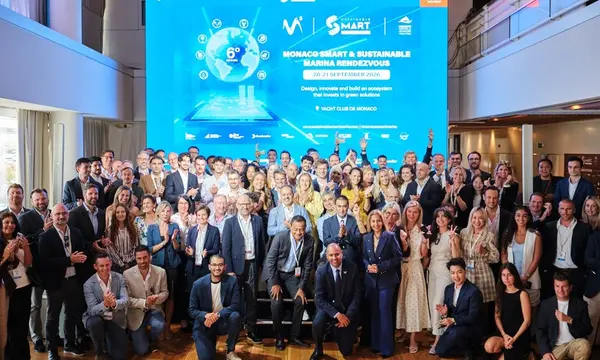
Monaco’s Smart & Sustainable Marina Rendezvous closed with new technology awards, six S3 certifications and a focus on investment, AI and infrastructure.
Superyacht Guide
Continue into the wider Superyacht Guide.
Business opportunities · Superyacht Guide
Companies serving the superyacht market can discuss clearly identified advertising, sponsorship and business-profile opportunities. Commercial activity remains separate from independent editorial coverage.