
Frigomar Introduces 210,000 BTU CU210 Yacht Chiller
Frigomar has introduced its CU210VFDT chiller with 210,000 BTU/h capacity, a titanium seawater exchanger and the same compact dimensions as its 180,000 BTU unit.
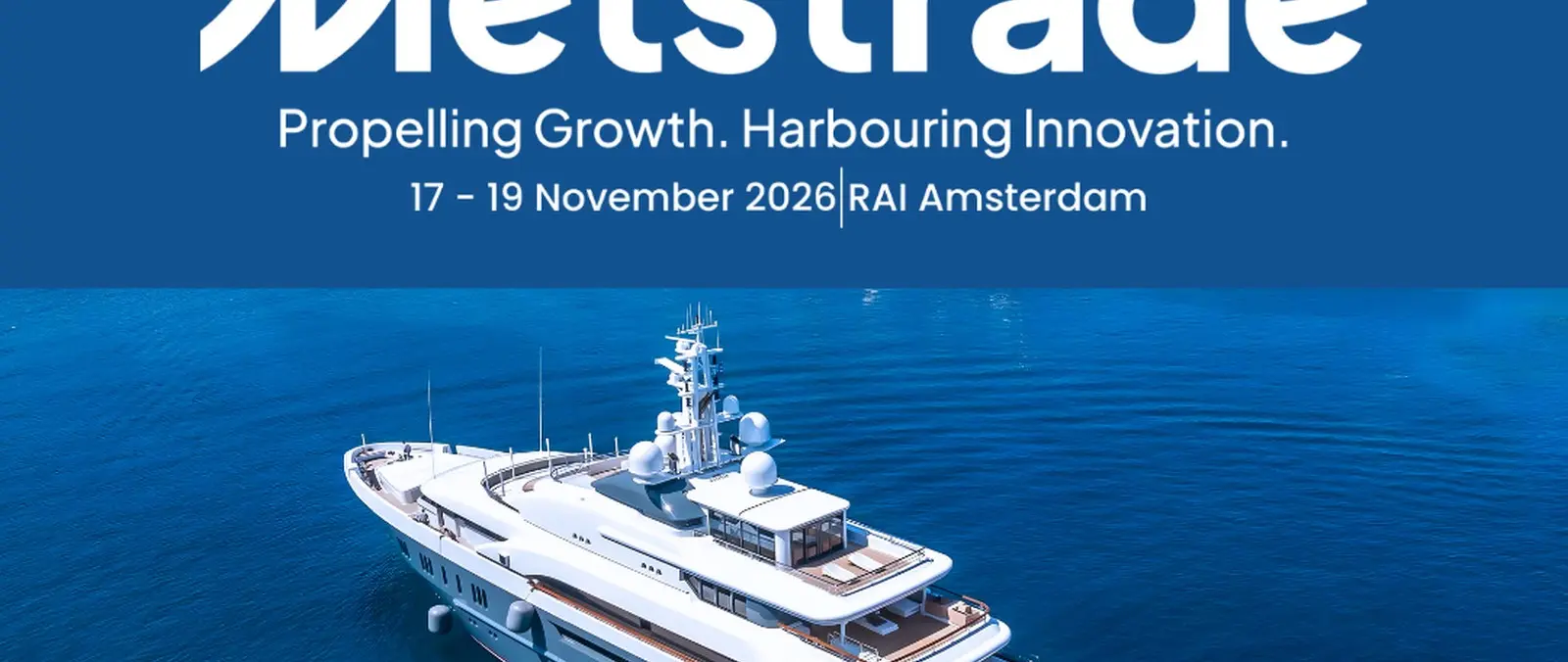
Image: Novenco Marine & Offshore, official 9 October 2026 METSTRADE announcement and company event image
Novenco Marine & Offshore will discuss its ZerAx fan and energy-optimised HVAC and refrigeration upgrades with yacht builders and refit teams at METSTRADE 2026.
Novenco Marine & Offshore has confirmed its participation in METSTRADE 2026, scheduled for 17–19 November at RAI Amsterdam, where it will present marine heating, ventilation, air conditioning and refrigeration solutions to boatbuilders, equipment integrators and refit professionals. The company will operate from stand 07.506 in Hall 7, with the focus on improving the performance of existing systems as well as designing efficient installations for new vessels.
The Danish-headquartered supplier is highlighting its ZerAx fan technology as an example of how improvements to familiar auxiliary machinery can contribute to energy-management objectives. Novenco identifies lower sound levels, reduced power use, longer service life and reduced maintenance as potential advantages of replacing older equipment. The announcement does not give a quantified saving for a specific yacht, and such a figure would depend heavily on its ductwork and operating profile.
Ventilation fans in machinery rooms, galleys, crew zones and technical compartments can operate for long periods, sometimes under variable loads as the yacht moves between harbour, anchorage and passage-making. Their energy demand can be overlooked alongside propulsion and hotel equipment, yet a high-duty ventilation installation makes a continuing contribution to the vessel's electrical balance.
A more efficient impeller or drive can help only when the selected fan operates appropriately against the static pressure of its complete duct system. Filters, dampers, bends, grilles, noise attenuators and required airflow levels determine that operating point. For that reason, a refit assessment should examine the full airflow and pressure schedule, not assume that a new fan can simply be swapped into every existing mounting and achieve the manufacturer's optimum performance.
Air movement is also an acoustic issue on a large yacht. Guests may notice vibration, duct turbulence and fan noise in accommodation spaces even when the temperature is maintained correctly. Engineering staff therefore have to balance sound power, airflow, electrical demand and safe ventilation rates, especially where a duct system crosses sensitive cabins or an occupied bridge.
Routine service requirements matter as well. A quieter fan that is difficult to access, clean or isolate may produce additional downtime, while an easy-to-maintain assembly can simplify inspections and replacement work over a yacht's life. Marine corrosion exposure, applicable fire and smoke controls, electrical compatibility and supplier support should remain part of the specification process.
Novenco Marine & Offshore provides ventilation and climate-control equipment for several marine sectors, including merchant vessels, cruise ships, offshore structures and special-purpose craft. It reports more than 75 years of sector experience and a network of local representatives, with offices listed in Denmark, Norway and China.
At METSTRADE the company is presenting engineering advice and retrofit opportunities rather than claiming a named superyacht contract or a newly certified one-size-fits-all upgrade. Technical buyers should request current ZerAx performance curves and installation data to establish whether a particular fan and control arrangement can deliver the expected result aboard their yacht. The accompanying image is Novenco's original exhibition visual, not a photograph of a commissioned installation.
A useful first step for yards considering energy upgrades is to record fan operating hours, existing electrical draw and cabin noise complaints before requesting proposals. Measurements taken at realistic operating modes provide a baseline against which a replacement can be assessed. Without that record, a claimed improvement can be hard to distinguish from seasonal variations in temperature, hotel load and the condition of existing filters.
Continue reading
Frigomar has introduced its CU210VFDT chiller with 210,000 BTU/h capacity, a titanium seawater exchanger and the same compact dimensions as its 180,000 BTU unit.
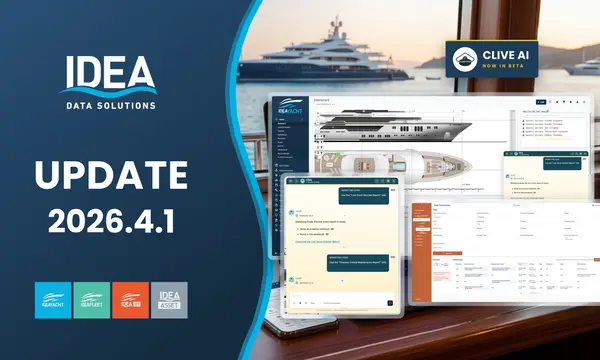
IDEA Data Solutions details release 2026.4.1 for yacht operations, including limited CLIVE AI testing and improvements to purchasing, maintenance and fleet views.

Videoworks explains AVIT Panel, an overlay system that connects existing onboard digital equipment to configurable views for captains and technical teams.
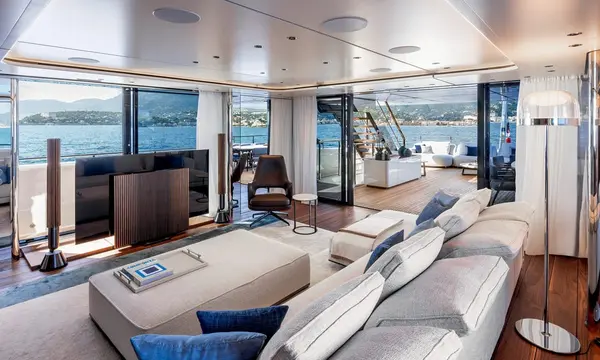
Videoworks explains its bespoke Bang & Olufsen systems on two Custom Line superyachts, naming the hardware used and the integration work carried out.
Superyacht Guide
Continue into the wider Superyacht Guide.
Business opportunities · Superyacht Guide
Companies serving the superyacht market can discuss clearly identified advertising, sponsorship and business-profile opportunities. Commercial activity remains separate from independent editorial coverage.