Ocean Safety Adds Superyacht Stand at METSTRADE 2026
By Stephen Yardley · Edited by Stephen Yardley
Ocean Safety will operate two stands at METSTRADE 2026, including a dedicated Superyacht Zone consultation area for lifesaving-equipment design and service.
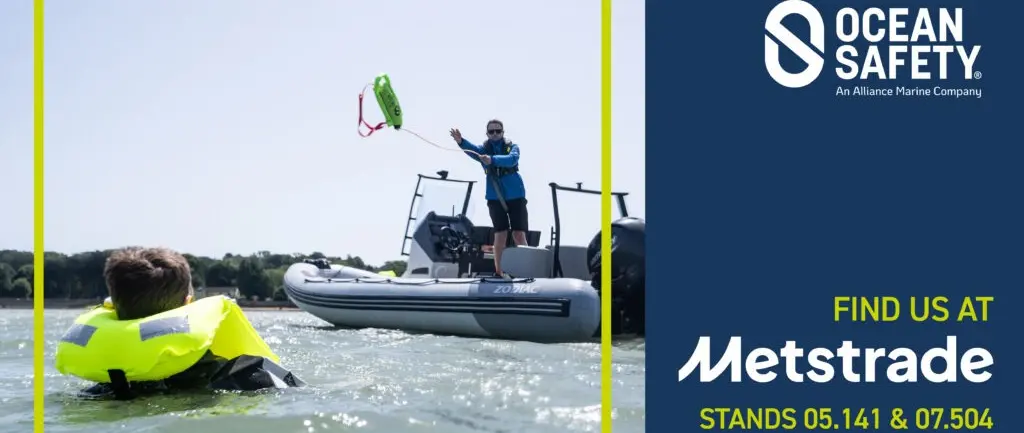
Ocean Safety has confirmed a larger dedicated presence at METSTRADE 2026, adding a stand in the show's Superyacht Zone where owners' representatives, designers, captains and technical managers can discuss the selection, location and maintenance of lifesaving equipment. The Southampton-based supplier's announcement dated 13 October sets out two stands at RAI Amsterdam for the exhibition from 17 to 19 November.
The practical emphasis is notable. Rather than introducing a single new product as a universal solution, Ocean Safety wants to examine the vessel itself: how rafts, personal survival equipment and man-overboard recovery systems fit its deck layout and operating programme. Such planning is particularly relevant to newbuilds and substantial refits of yachts above 24 metres, where the position and accessibility of equipment must be resolved within a complicated design.
Ocean Safety identifies stand 07.504 in Hall 7 as its new Superyacht Zone location. The company says it will use this space to discuss what is carried aboard a yacht, where it will be placed, how crew members are expected to deploy it and what maintenance will be required during operation.
Working through those decisions at the design stage can avoid conflicts between essential safety arrangements and the social spaces owners wish to preserve. Aft terraces, fold-out platforms, exterior furniture, tenders and enclosed machinery spaces all compete for deck or locker space; an equipment list alone does not establish that a piece of gear can be accessed quickly in a real emergency.
The company's other presence will be on Alliance Marine's Hall 5 stand, 05.141, where the focus is its wider range of marine lifesaving equipment. This includes lifejackets, liferafts, man-overboard products and related survival gear for different types of maritime operation.
Having a second stand devoted specifically to superyacht applications separates product discovery from the more detailed planning required by builders and yacht management teams. A chief officer may want to compare rescue equipment, while a naval architect may need drawings, deployment clearances, fixing positions and service access long before the yacht reaches the outfitting stage.
Ocean Safety mentions an Ocean ISO liferaft range and lifejackets carrying ISO, SOLAS and Marine Equipment Regulation approvals. Those labels describe different standards and compliance contexts rather than an interchangeable promise that every listed item is automatically right for any large yacht.
The required specification can depend on the yacht's flag, commercial or private use, gross tonnage and trading area. Builders should verify the precise approval of the individual device, its passenger capacity and deployment arrangement against the vessel's statutory requirements, as well as applicable flag-state guidance and class rules.
Among the systems being discussed is the Jon Buoy Mk 6 Smart Release, which allows remote deployment of the Mk 6 Recovery Module. Remote controls can offer advantages where the bridge team needs to initiate a response quickly, especially when the relevant recovery equipment is not immediately adjacent to the person raising the alarm.
An electrically or mechanically assisted release still requires sensible stowage, functional power and control circuits, clear lines of deployment and crew practice. The rescue module does not replace the captain's obligation to train personnel in visual lookout, casualty location, vessel manoeuvring and recovery procedures appropriate to the yacht.
The company also plans to discuss the Jon Buoy EVAC abandonment device, which is designed for compact storage and rapid deployment in appropriate applications. A yacht's abandonment plan may involve rafts and other approved arrangements with capacities and launching methods established during design and survey.
Equipment should be located so crew can reach it under realistic scenarios, including a fire blocking one access route or a vessel listing in heavy weather. The number of devices carried must reflect the required capacity and independent arrangements, not simply how much unobstructed deck area the owner wishes to maintain.
Ocean Safety explicitly includes equipment for superyacht tenders in the planned conversations. This matters because a mother yacht may carry fast launches, guest-transfer boats, rescue craft and specialist support vessels, each with different operating limits and the possibility of being separated from the main ship.
A tender's lifejackets, signalling equipment, communications and rescue arrangements should reflect where it operates and who is aboard. In addition, crews need a way to contact the mother yacht and a plan for mechanical failure, loss of visibility and man-overboard emergencies. The regulations may differ from the larger vessel, but the consequences of poor preparation remain severe.
Periodic testing and professional servicing are vital for inflatable rafts, lifejackets and gas-operated safety equipment. The supplier says its specialists will also examine the ongoing maintenance implications of different installations, recognising that items which are neatly concealed at delivery must remain accessible for inspection and eventual replacement.
At a design meeting, locating service points, accounting for equipment weight and leaving enough room to remove a raft or cylinder can reduce later operational disruption. Managers should also establish the authorised servicing network and any flag-specific records required, since incorrect maintenance can affect the performance and acceptability of safety equipment.
Ocean Safety's expansion at METSTRADE represents a new exhibition and consultation arrangement, not a blanket change in international carriage regulations or a mandatory new safety package. Managing director Alistair Hackett says the dedicated space is intended to support detailed discussions about where equipment is stored, how it is used and how it is maintained.
The company's invitation to bring vessel briefs to the Superyacht Zone gives yards and managers a practical opportunity to resolve those questions before they become expensive retrofits. The verified news is the 13 October announcement of the two stands and their planned scope, with any subsequent product launches or technical requirements to be reported only when officially confirmed.
Explore
Go deeper into the yachts, companies, events and destinations directly connected to this article.
Continue reading

Frigomar has introduced its CU210VFDT chiller with 210,000 BTU/h capacity, a titanium seawater exchanger and the same compact dimensions as its 180,000 BTU unit.
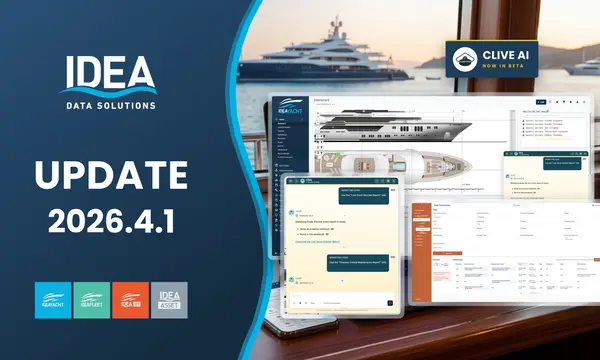
IDEA Data Solutions details release 2026.4.1 for yacht operations, including limited CLIVE AI testing and improvements to purchasing, maintenance and fleet views.
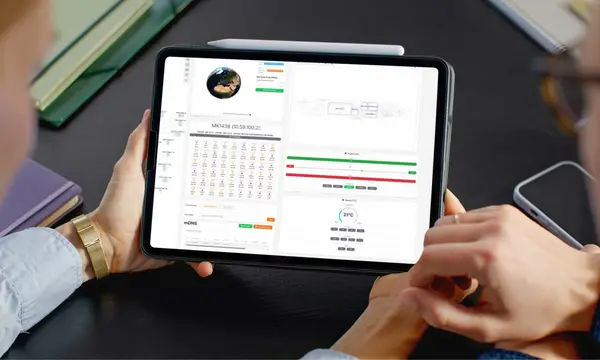
Videoworks explains AVIT Panel, an overlay system that connects existing onboard digital equipment to configurable views for captains and technical teams.
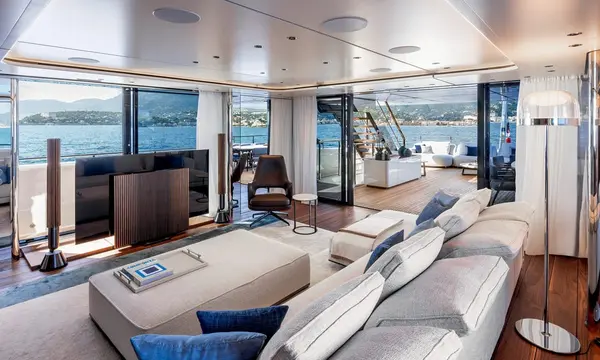
Videoworks explains its bespoke Bang & Olufsen systems on two Custom Line superyachts, naming the hardware used and the integration work carried out.
Superyacht Guide
Continue into the wider Superyacht Guide.
Business opportunities · Superyacht Guide
Companies serving the superyacht market can discuss clearly identified advertising, sponsorship and business-profile opportunities. Commercial activity remains separate from independent editorial coverage.