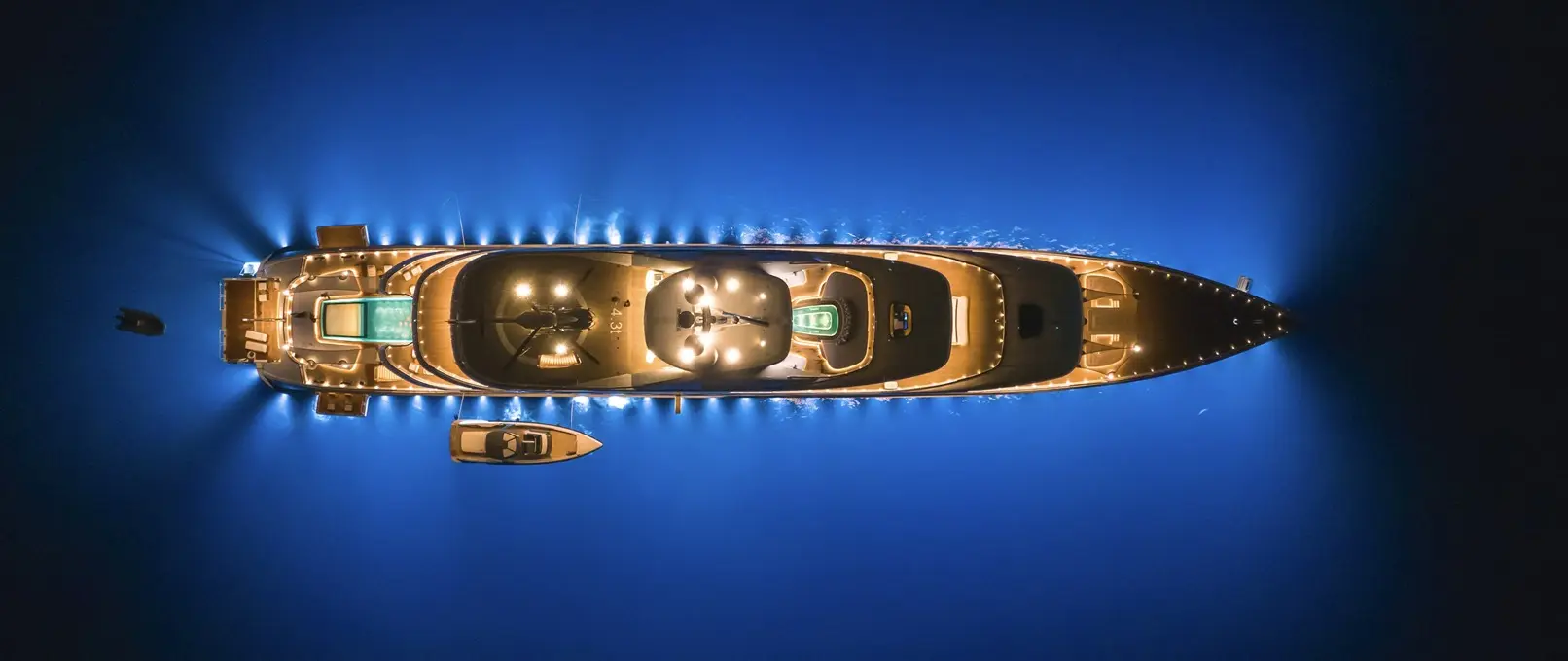
Marine lighting supplier OceanLED is promoting specialist technical assistance for the refit of underwater lighting installations on larger superyachts, highlighting its Explore Series and an engineering-led approach to
Marine lighting supplier OceanLED is promoting specialist technical assistance for the refit of underwater lighting installations on larger superyachts, highlighting its Explore Series and an engineering-led approach to fitting modern systems into existing hulls. The current company service information describes on-site support, computer-aided design, installation supervision and consideration of whether a yacht's previous system can be upgraded without substantial new hull modifications.
The announcement should be understood as a supplier capability update, not as a newly launched light model or evidence of a specific completed refit contract. OceanLED says its systems have been installed on a substantial number of the world's largest yachts, positioning the refit operation as part of a wider equipment-support business rather than a standalone showroom.
Underwater fixtures must withstand immersion, pressure, corrosion and vibration while remaining compatible with the yacht's hull construction. Where lights penetrate the shell, the engineering of the opening, sealing arrangement and cable route has safety implications that are more important than the appearance of the beam itself.
Older installations can present undocumented penetrations, obsolete control electronics and equipment whose exact dimensions no longer match current replacements. A thorough survey should identify construction materials, existing seal types and whether the surrounding structure is sound before any new fixture is specified.
OceanLED's Explore Series is designed to deliver controlled underwater illumination through specialist optics rather than relying solely on high headline light output. Beam distribution, water clarity and hull geometry affect the result, with the visual impression changing considerably between a marina basin and an offshore anchorage.
The company describes DMX control capability that can be integrated with onboard automation systems, including Crestron and Lutron environments. Such integration can permit lighting scenes to be managed alongside other guest-area controls, but requires careful address configuration, electrical protection and documented network architecture.
Installation work may require access to tanks, machinery spaces or guest accommodation behind existing joinery. Yacht managers should establish whether equipment can be replaced during a routine haul-out or whether more intrusive work is needed, particularly if power or data cabling must be rerouted.
OceanLED's stated service includes CAD modelling and support during installation, activities that can help anticipate clashes with frames, pipes and other systems. That involvement does not remove the responsibility of the yard and vessel surveyors to approve any structural changes.
Underwater lights inevitably accumulate biological growth and can be exposed to abrasive cleaning or impact. A service plan should set out how fittings are inspected, which cleaning methods are compatible and how electrical integrity is tested if a unit shows signs of water ingress.
Spare components, control-module compatibility and the availability of technicians in different cruising areas can influence the total ownership cost. A light with impressive colour performance but limited replacement support may be unattractive for a yacht expected to cruise remote regions.
OceanLED operates in a specialist part of the yacht equipment market where products are purchased by both builders and refit contractors. Its technical support offer reflects the difference between engineering a clean newbuild installation and improving equipment in a vessel with established structures and wiring.
Large-yacht managers increasingly expect lighting controls to integrate with broader hotel systems while maintaining secure separation from critical operational networks. Good interfaces and consistent documentation are important because numerous contractors may work on a yacht over the life of the installation.
Owners should request a written survey of existing fittings, identification of structural risks and a realistic installation and commissioning plan before accepting a quotation. Where new through-hull work is proposed, inspection and testing requirements should be agreed in advance with the relevant technical authorities.
The supplier's current service update provides a route for discussing these challenges with a specialist engineering team. Its practical value will be demonstrated by properly documented refit results and dependable after-sales service, not simply the number of lighting effects available to guests.
Explore
Go deeper into the yachts, companies, events and destinations directly connected to this article.
Continue reading

Somec Group, whose engineered-systems division has major marine glazing operations, establishes Fabbrica Europe for advanced European architectural facades.

Honda Marine opens a Florida Marine Office at its Grant-Valkaria R&D facility to link global engineering, rigging validation and US boatbuilder support.
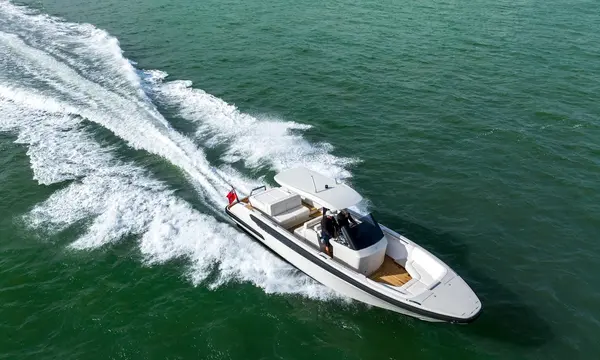
UK-based Super Yacht Tenders has set out a structured crew-familiarisation service covering launch and recovery, close-quarters handling, guest boarding and equipment maintenance aboard the …
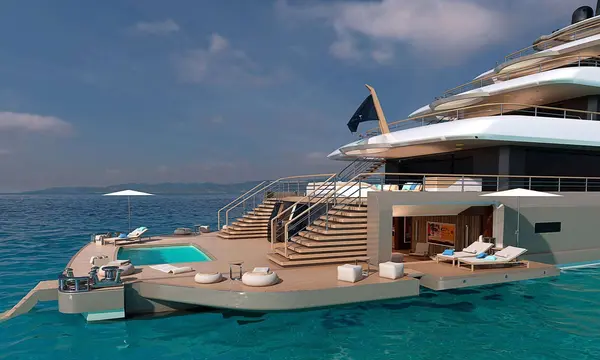
Advanced Mechanical Solutions (AMS) has outlined the development of its engineering and manufacturing operations in Ancona, where bespoke mechanisms for superyacht doors, balconies and …
Superyacht Guide
Continue into the wider Superyacht Guide.
Business opportunities · Superyacht Guide
Companies serving the superyacht market can discuss clearly identified advertising, sponsorship and business-profile opportunities. Commercial activity remains separate from independent editorial coverage.