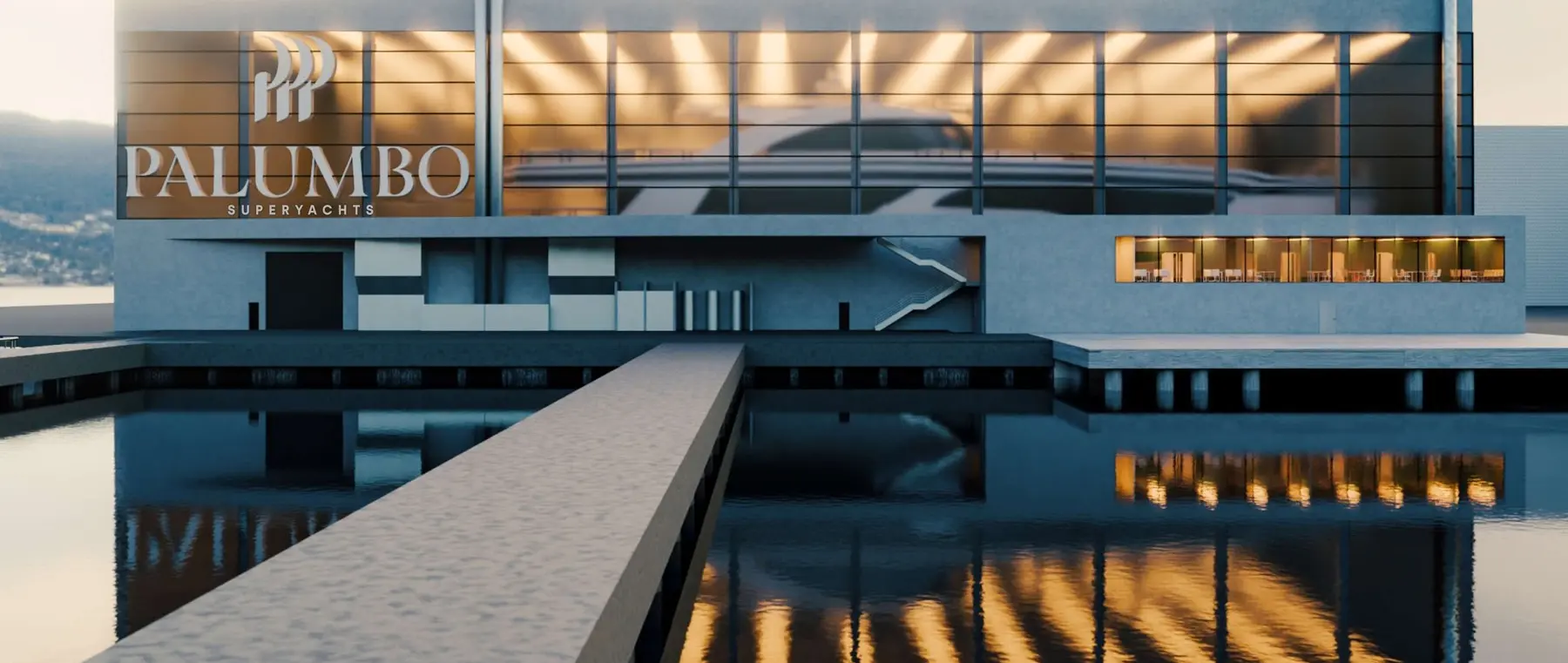
Palumbo's Ortona Expansion Targets Larger Steel Superyacht Construction in 2027
By Stephen Yardley · Edited by Stephen Yardley
Image: Palumbo Group via PressMare
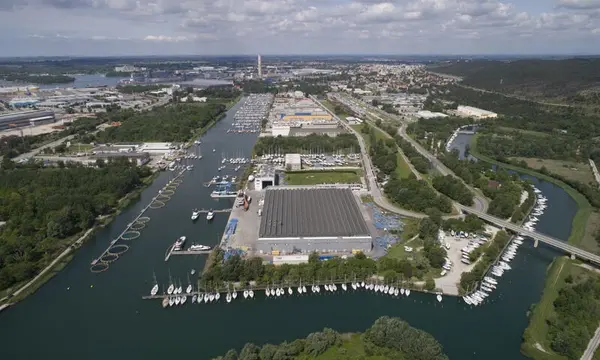
Palumbo's 13,049-square-metre Ortona concession will support larger steel and aluminium superyacht construction as the Italian group works toward 2027 operations.
Palumbo Superyachts is preparing to turn a newly secured maritime site in Ortona into a production and logistics base for larger Italian-built yachts. The group announced the concession of 13,048.98 square metres of state-owned port land in February 2026 and reiterated in its September industrial update that the new facility is intended to become operational in 2027. The site has direct sea access and a slipway, important features for handling heavy yacht structures and coordinating marine movements.
This is more specific than another announcement about a billion-euro order book. The news concerns physical capacity: the availability of waterfront industrial land, skilled metalworking resources and a place to organise large projects without relying exclusively on existing yards. Palumbo names ISA Yachts, Columbus Yachts, Extra Yachts and Mondomarine among the brands expected to benefit. The date for operations remains a company target rather than proof that the facility has already begun constructing yachts.
Port land is valuable because yacht construction needs a close relationship between workshops, lifting equipment, transport routes and sheltered waters. A large prefabricated section may have to move from a welding hall to painting, outfitting and final assembly before it can be loaded or floated. Direct maritime access reduces some transport constraints, but suitability for a particular project depends on crane capacities, draught, clearances and the certified operating configuration of the site.
The release does not identify the precise number of hulls Ortona can build simultaneously or the dimensions of any future enclosed assembly building. Those capacities cannot responsibly be inferred from surface area alone. Prospective owners should ask where each critical construction stage will take place and how the yard proposes to document quality if hull work, interior installation and commissioning are divided between different locations.
Palumbo emphasises Ortona's established metal-shipbuilding skills and its supply chain for steel processing. That background is relevant to the company's ambition for 30- to 100-metre new builds, many of which use steel hulls and aluminium superstructures. Such combinations offer familiar engineering characteristics for ocean-going yachts, but they also require careful control of welding quality, corrosion protection and interfaces between dissimilar materials.
Fabrication capacity alone is not the same as a delivered superyacht. The yard also needs disciplines associated with piping, electrical integration, naval architecture, coatings, isolation, watertight integrity and interior fit-out. The complex interactions between trades become more difficult as the number of decks and custom systems increases. An additional industrial base can relieve congestion only if workforce development and design coordination keep pace.
New-build clients rarely experience a yacht order as a simple retail purchase. A bespoke vessel is built around design approvals, the availability of high-value components, change orders and technical inspections that may extend over several years. A shipyard with an expanding order book can benefit from additional waterfront space, but rapid growth also raises the risk that specialist teams will be stretched between projects.
At the point of contract, an owner should ask for a realistic critical path rather than relying on an attractive delivery date. The appointment of an independent surveyor, clear technical milestones, objective acceptance tests and a documented process for owner-requested modifications can protect both sides. When a new industrial facility is involved, buyers should understand whether their yacht depends on the plant being ready by a particular date.
The February Ortona announcement described 24 superyachts under construction and a backlog of about €1 billion. By September the group's updated statement described 20 yachts under construction, five launches during 2026 and an order book still valued at approximately €1 billion. These figures refer to different reporting dates and are not evidence of a mathematical contradiction. Projects can progress through launch and delivery while new orders arrive.
Among the five 2026 launches cited by Palumbo were the Columbus Atlantique 38-metre PRINCIPESSA CAPRICCIOSA, the ISA Viper 130 FAST NAAN, ISA GTO 70, ISA Gran Turismo 67-metre SEA RAIDER X and the 80-metre ISA custom yacht BELITA. The variety illustrates why a multi-brand yard might want flexible production capacity rather than a plant optimised around one standard model.
The Palumbo organisation has developed several yacht brands alongside its industrial and refit operations. ISA focuses substantially on distinctive custom yachts and the larger yacht market. Columbus includes displacement-oriented designs and other formats, while Extra has explored more contemporary outdoor living layouts. Mondomarine carries another segment of Italian shipbuilding heritage. The new site is intended to complement rather than replace facilities already serving these businesses.
Palumbo's September release also described owner-facing initiatives, including technical assistance, refit and conversion support and an art-advisory activity. Those services are not directly constructed at Ortona, but they show a business looking beyond one-off contracts. A yard's industrial growth is more persuasive when it is matched by credible care for its vessels after launch, including spare-parts information and engineering continuity.
The Italian superyacht industry relies on interlinked districts of suppliers, designers and shipbuilding workers. A new base on the Adriatic can connect the company's existing activities in Ancona and elsewhere with a further pool of metalworking expertise. This can create resilience if transport and production are coordinated properly, while offering opportunities for training and specialised employment in the surrounding area.
The full commercial benefits remain to be demonstrated. Infrastructure investment brings costs before additional projects generate revenue, and a new site's environmental permits, labour arrangements and production equipment matter as much as the concession itself. Independent reporting should distinguish Palumbo's declared intentions from a completed operating performance record. Ortona's significance lies in its potential to turn a growing range of 30- to 100-metre projects into deliverable yachts at a predictable quality.
The clearest evidence of progress will be commissioning of the Ortona facilities, staffing, installation of marine-handling equipment and the first defined projects entering production. Owners and suppliers will also want to understand how the site is integrated with Palumbo's design approvals and testing systems. The September update put the operational horizon in 2027, so the next few months are a meaningful implementation period.
For the industry, this is a reminder that superyacht growth is not built from glossy concepts alone. The underlying economic asset is an organised shipyard capable of completing complex engineering work. Palumbo has publicly committed to building that capacity at Ortona; its achievement will be measured in construction milestones, reliable delivery and the effectiveness of the expanded network.
Explore
Go deeper into the yachts, companies, events and destinations directly connected to this article.
Continue reading
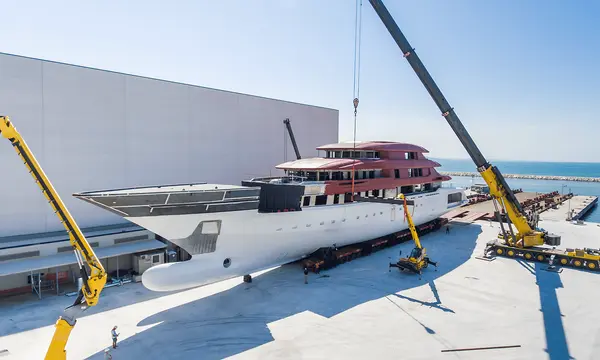
Palumbo Superyachts reports five 2026 launches, 20 projects under construction and an approximately €1bn order book, with an Ortona yard planned for 2027.
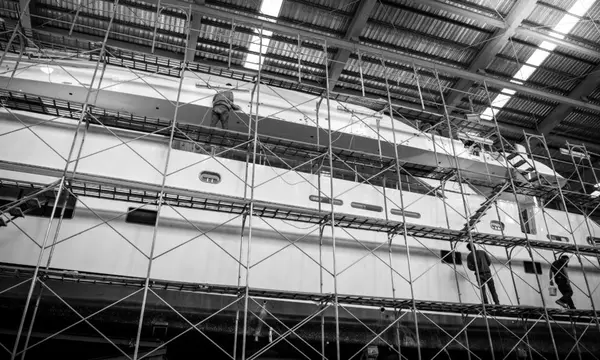
Turkish superyacht builder Mengi Yay has joined the international Superyacht Builders Association, with custom projects underway between 45 and over 60m.
Italian Vessels is expanding its steel and aluminium custom yacht proposals, including the 38m Ombra support yacht and high-volume shuttle concepts.
Alpha Custom Yachts is preparing a €20m five-year investment in Monfalcone for 35–50m yacht construction, with building work planned from January 2027.
Superyacht Guide
Continue into the wider Superyacht Guide.
Business opportunities · Superyacht Guide
Companies serving the superyacht market can discuss clearly identified advertising, sponsorship and business-profile opportunities. Commercial activity remains separate from independent editorial coverage.