Company
Rolls-Royce Power Systems
Explore the company profile and related Superyacht Guide coverage.
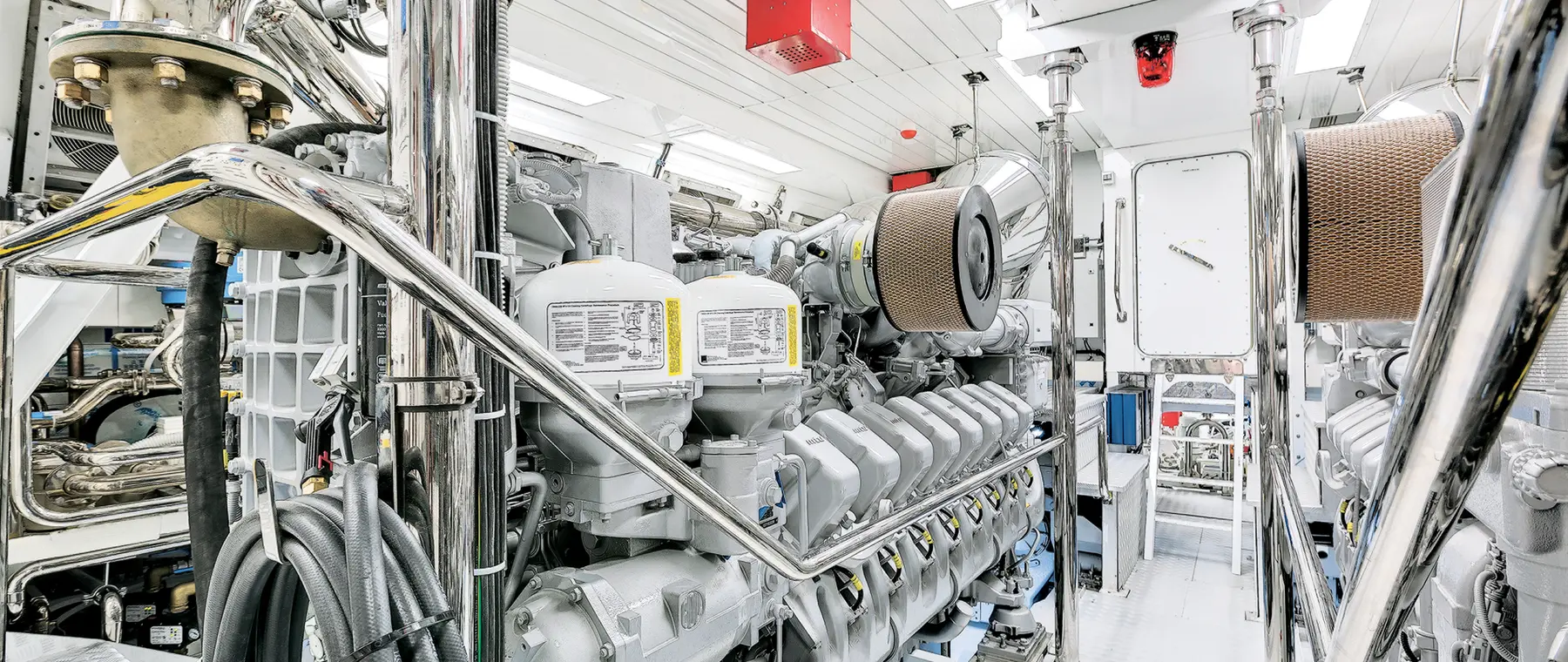
Image: Rolls-Royce Power Systems
Rolls-Royce Power Systems has agreed a 2026–2029 framework deal with Overmarine covering 64 mtu Series 2000 engines and NautIQ Bridge integration.
Rolls-Royce Power Systems has expanded its long-running relationship with Overmarine Group through a framework agreement running from 2026 to 2029. The deal covers 30 propulsion systems using a total of 64 mtu Series 2000 engines and, for the first time in the relationship, integration of the mtu NautIQ Bridge platform.
The agreement is directly relevant to the large-yacht sector because Overmarine builds the Mangusta range and has used mtu propulsion across most of its fleet for years. Rolls-Royce says the new contract moves the relationship beyond engine supply toward a more integrated bridge-to-propeller package.
Rolls-Royce says the 64-engine order comprises 12V 2000 and 16V 2000 units across 30 propulsion systems. Two of those systems will use four engines, underlining the power and redundancy demands associated with high-performance yacht installations.
For a builder, a framework agreement of this kind can reduce repeated engineering work across a model family because propulsion, controls and interfaces can be planned around a known technical architecture. It can also give the engine supplier a clearer view of production demand, service requirements and future integration work.
The Mangusta Oceano 52 will be the first Overmarine range to adopt the mtu NautIQ Bridge under the new agreement. Rolls-Royce describes the system as an integrated bridge environment connecting navigation and control functions with energy management and propulsion information.
That integration is significant because bridge electronics, automation and machinery controls are increasingly specified as parts of one vessel-wide system rather than isolated packages. A coordinated architecture can simplify interfaces for the yard and can present captains and engineers with a more consistent operating picture, although redundancy and independent safety layers remain essential.
Rolls-Royce has been positioning its marine strategy around what it calls “From Bridge to Propeller”, linking propulsion, automation, energy management and bridge control. The Overmarine agreement is a practical example of that strategy moving into series yacht production rather than remaining a concept demonstrated through individual components.
For owners, the immediate value is not the branding of the system but the potential for fewer integration boundaries between major technical packages. For crews and technical managers, common support channels across engines and control systems may also matter over the yacht's operating life, particularly when troubleshooting involves software, sensors and machinery at the same time.
Rolls-Royce says the agreement leaves scope for NautIQ Bridge integration on additional Overmarine lines. Almost all yachts in the Overmarine fleet are already described by the supplier as mtu-powered, so the engine relationship provides an established base from which wider systems integration can develop.
The contract therefore matters beyond the headline number of 64 engines. It shows a major yacht builder and a propulsion OEM moving toward a repeatable, integrated technical platform that combines machinery and bridge systems across several years of production.
Explore
Go deeper into the yachts, companies, events and destinations directly connected to this article.
Company
Explore the company profile and related Superyacht Guide coverage.
Continue reading
Rolls-Royce has expanded its mtu yacht portfolio with variable-speed Series 2000 generator sets and a new SCR exhaust after-treatment system aimed at lower fuel …
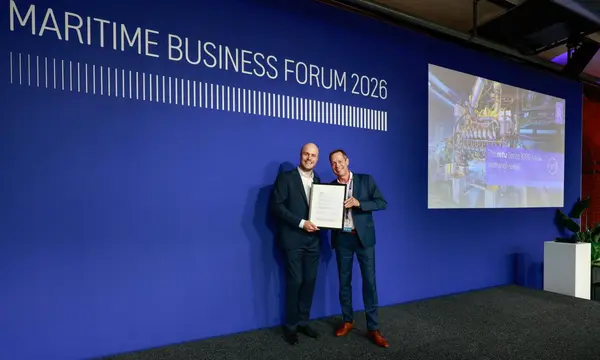
Rolls-Royce has secured DNV Methanol Readiness for current mtu Series 4000 marine engines after more than 5,000 hours of methanol testing, preserving a future …

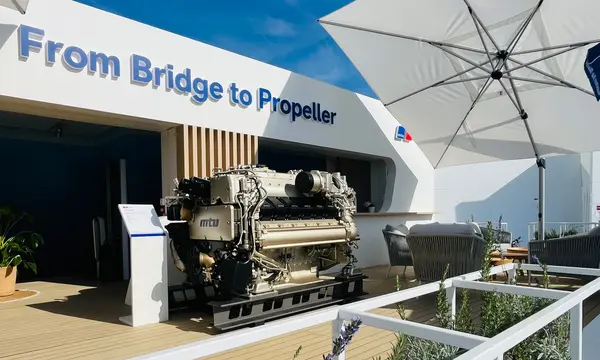
Rolls-Royce has expanded its mtu yacht portfolio with variable-speed Series 2000 gensets and a new IMO Tier III SCR system. The company claims up …
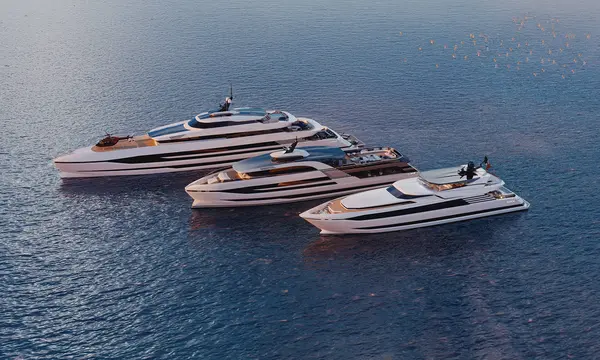
Cantieri di Pisa owner Enrico Gennasio has taken direct operational control as sole director while the yard expands refit activity and returns to new …
Superyacht Guide
Continue into the wider Superyacht Guide.