Company
Rolls-Royce Power Systems
Explore the company profile and related Superyacht Guide coverage.
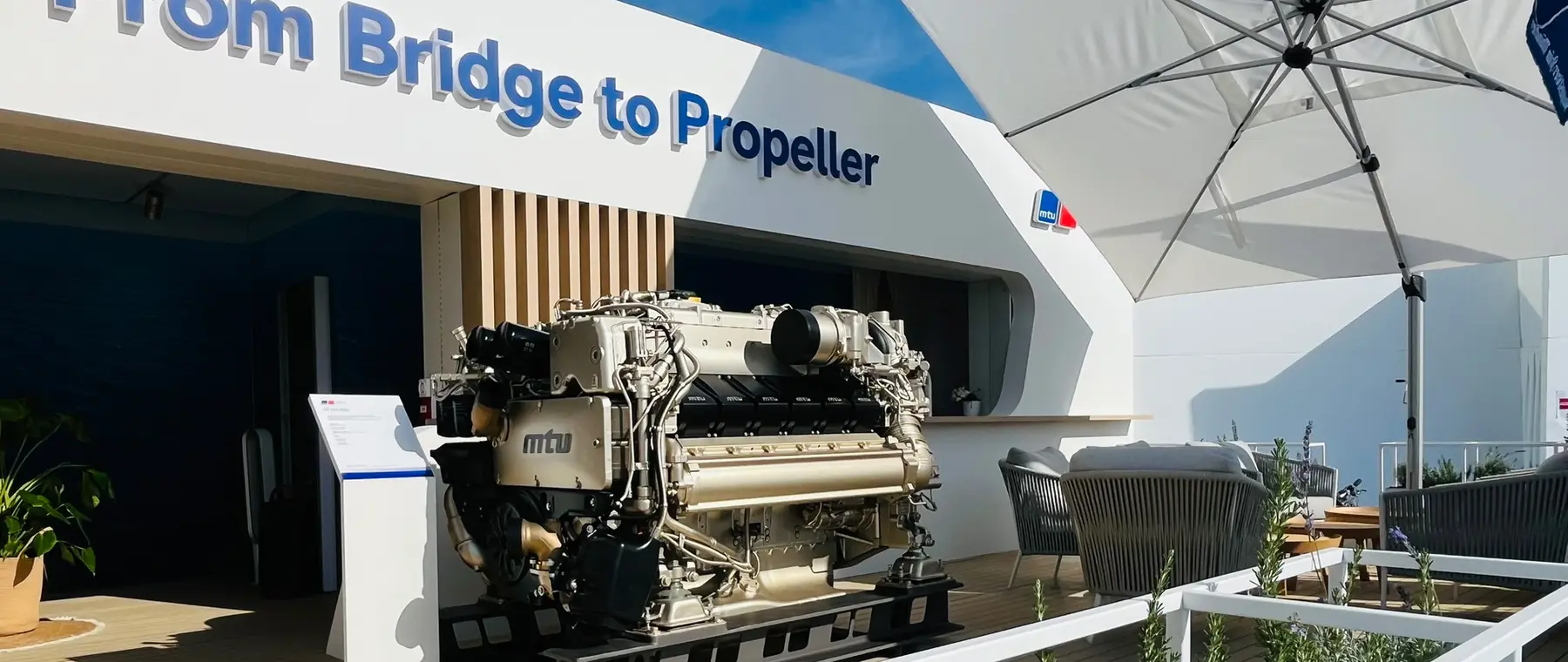
Image: Rolls-Royce Power Systems
Rolls-Royce has expanded its mtu yacht portfolio with variable-speed Series 2000 generator sets and a new SCR exhaust after-treatment system aimed at lower fuel use, noise and emissions.
Rolls-Royce Power Systems has expanded its mtu yacht systems portfolio with standardised variable-speed generator sets based on the Series 2000 engine and a new selective catalytic reduction exhaust after-treatment system. The company is positioning both products within its wider “From Bridge to Propeller” approach to integrated yacht propulsion, energy management and automation.
The additions target two persistent yacht-engineering priorities: reducing the fuel and noise penalties associated with onboard power generation, and meeting tighter nitrogen-oxide limits in regulated sea areas. Rolls-Royce says the new systems are designed to integrate with compact engine-room layouts and with its existing mtu NautIQ automation and bridge technology.
The new generator sets vary engine speed according to electrical demand rather than running continuously at a fixed speed. Rolls-Royce says this can reduce fuel consumption and CO2 emissions by up to 15 per cent during operation while lowering noise by around 6 dB, an important consideration on yachts where machinery noise can directly affect guest comfort.
Electrical output ranges from 650 to 1,850 kWe. The company says the high power density and compact format allow the units to be installed where machinery space is constrained, while compatibility with battery-assisted applications means the gensets can also serve as range extenders within hybrid electrical architectures.
The second addition is a new SCR exhaust after-treatment system for mtu Series 2000 engines. Developed with exhaust-treatment specialist Eminox, it is being certified to meet IMO Tier III requirements and is designed to reduce nitrogen-oxide emissions by 75 per cent compared with IMO Tier II limits.
Rolls-Royce says the system can deliver a service life of up to 16,000 operating hours depending on load profile. It does not require compressed air for dosing and has been designed for flexible integration, which may simplify installation where engine-room packaging is already tightly constrained.
The broader strategy links mtu propulsion and generator equipment with the mtu NautIQ Bridge and automation systems. Rolls-Royce argues that supplying coordinated hardware and software from one source reduces interface risks for shipyards and gives owners a more unified environment for managing propulsion, electrical power and vessel systems.
For superyacht builders, the value of that approach will depend on how effectively the systems integrate with third-party equipment and the yacht's wider technical platform. The new gensets and SCR package nevertheless add two concrete options for projects seeking lower fuel use, quieter onboard power generation and compliance with emissions-controlled operating areas.
Explore
Go deeper into the yachts, companies, events and destinations directly connected to this article.
Company
Explore the company profile and related Superyacht Guide coverage.
Continue reading
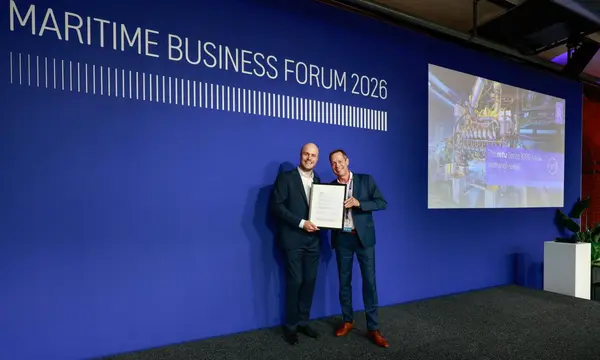
Rolls-Royce has secured DNV Methanol Readiness for current mtu Series 4000 marine engines after more than 5,000 hours of methanol testing, preserving a future …

Rolls-Royce has expanded its mtu yacht portfolio with variable-speed Series 2000 gensets and a new IMO Tier III SCR system. The company claims up …
Teledyne FLIR Marine will present M460, M364C and Ocean Scout Pro thermal systems at Monaco Yacht Show 2026 for yacht navigation and security.
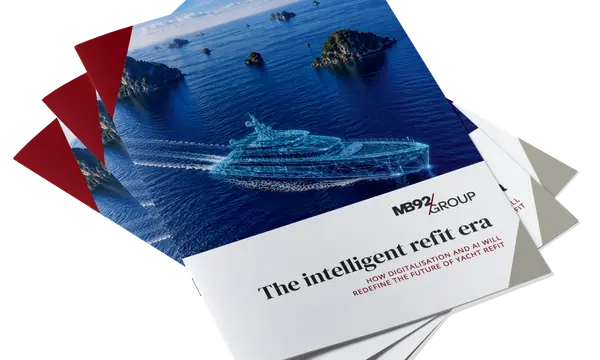
MB92 Group’s latest industry report examines how data, AI and connected technology could reshape superyacht refit, while identifying interoperability, cybersecurity and skills as key …
Superyacht Guide
Continue into the wider Superyacht Guide.