Seychelles, Maldives and Indian Ocean Yachting: Paradise with Logistics
Aug. 25, 2026
Destinations
Seychelles and Maldives cruising offers exceptional privacy and island-hopping, but entry procedures, weather, protected areas and long supply chains shape every itinerary.
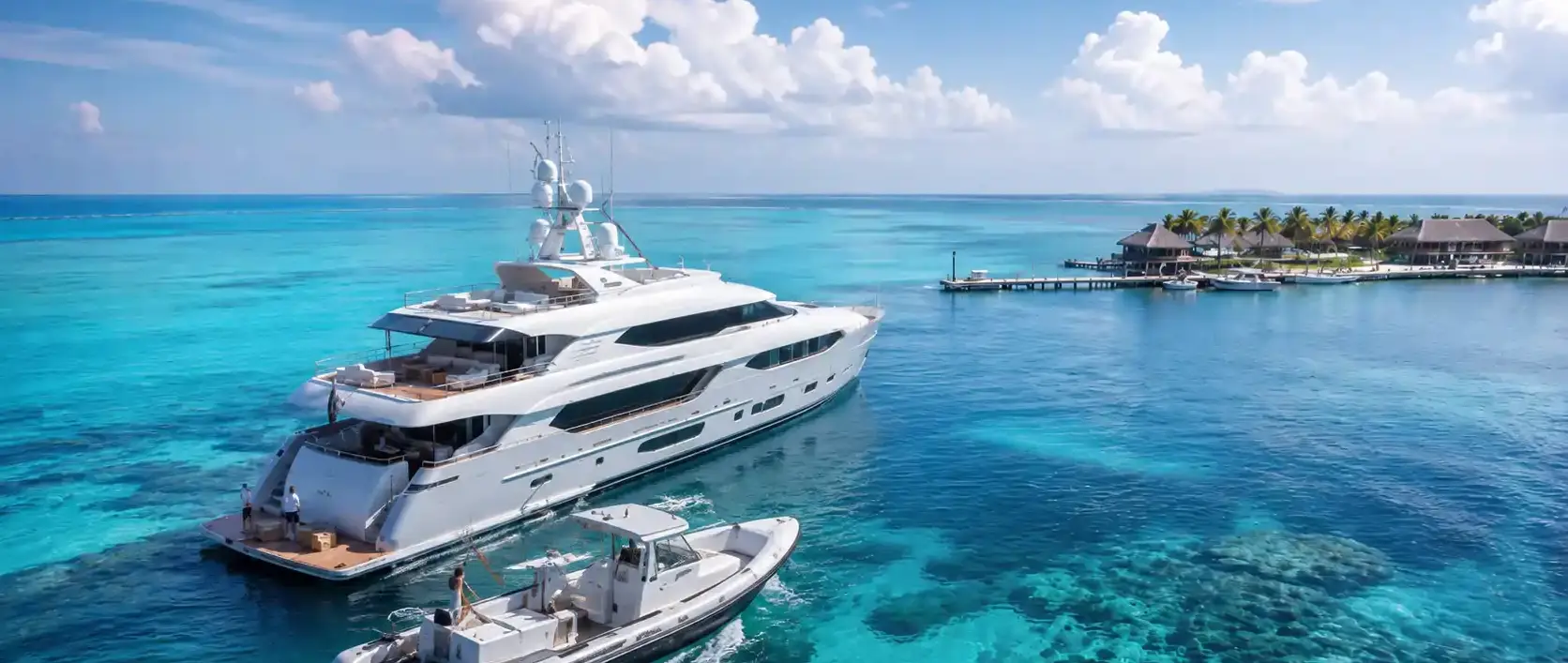
The Seychelles and Maldives are among the most seductive yacht destinations in the Indian Ocean, but neither operates like the Mediterranean. Guests see granite islands, coral atolls and empty-looking anchorages; captains see arrival procedures, weather windows, protected areas, marina access, crew movements and a supply chain stretched across thousands of miles.
That contrast is exactly what makes the region compelling. A yacht can combine the Seychelles and the Maldives in one wider Indian Ocean programme, but the itinerary works best when logistics are fixed before the guest experience is designed around them.
International yacht arrivals in Seychelles start with immigration clearance rather than immediate island-hopping. Seychelles Immigration’s visiting-yacht guidance says an officer boards the yacht on arrival, inspects the vessel and the list of persons on board, and requires passports before visitor permits are issued.
Passengers arriving by private yacht also fall within the country’s Maritime Travel Authorisation system. Tourism Seychelles states that the requirement became mandatory for passengers arriving by sea from 1 December 2024, with the authorisation completed online before arrival.
Clearing into Mahé does not make the rest of the archipelago administratively invisible. Immigration advises visiting yachts to contact the Port Authority about procedures and protocols for calls at other islands, while the master remains responsible for reporting crew changes and other movements during the yacht’s stay.
Departure is similarly structured. The official guidance requires the master to complete departure formalities in Victoria, after which an immigration officer boards for final clearance and the yacht proceeds to its next foreign destination rather than treating an outer island as an informal final stop.
The Seychelles climate is seasonal enough to change an anchorage from idyllic to uncomfortable. The Seychelles Meteorological Authority climate guide shows the Southeast Trades becoming established through the middle of the year and approaching their peak in July and August.
Those months can bring rough or choppy seas, particularly on exposed coasts, even while the islands remain visually perfect. For captains, this means the itinerary has to follow wind direction and shelter rather than a fixed sequence of beaches chosen months earlier from photographs.
Maldives Immigration currently requires foreign visitors to complete the Traveller Declaration electronically through IMUGA before arrival. Its tourist-entry guidance allows the declaration to be submitted up to 96 hours before arrival and also sets the normal passport, itinerary and onward-travel requirements used at immigration clearance.
For yacht operations, that timing matters because guest changes often happen independently of the vessel’s own movements. Joining guests, departing guests and crew travel therefore have to be coordinated with flights and immigration requirements instead of being treated as a separate shore-side detail.
The Maldives is actively promoting itself to the superyacht market. Visit Maldives says its Superyacht Promotion Campaign was designed to position the country as a leading luxury-yacht destination and has also promoted the Maldives through the Superyacht Spice Route initiative.
Around Malé, the Yacht Marina by Jalboot at CROSSROADS Maldives provides a 60-berth quay and says it caters for vessels from 10 to 70 metres. Beyond that hub, the experience is predominantly atoll-based: anchorages, tenders, diving, resort calls and long stretches of water between guest activities.
Environmental controls are part of the operational plan rather than a decorative footnote. The Maldives’ official protected-areas portal lists 93 protected areas and provides separate booking and permit functions, so diving, wildlife visits and access plans may need to be checked against the rules of a specific site before arrival.
For a superyacht this affects more than where the anchor goes down. Tender operations, diving schedules, guest transfers and the choice between anchoring and an approved facility can all change when protected-area controls are built into the day rather than discovered after the yacht reaches the reef.
The Indian Ocean rewards yachts that plan backward from the difficult questions: where formal clearance occurs, which documents passengers need, where a protected-area booking or permit may be required, how exposed the chosen anchorage will be, and where provisions or a critical technical part can realistically be obtained. Once those points are fixed, the captain can build the guest programme around them instead of repeatedly interrupting it.
That is the paradox of Seychelles and Maldives yachting. Their remoteness is the source of the privacy, clear water and sense of escape that owners and charter guests travel so far to find, but the same remoteness makes preparation more important; the best-run yachts make that complexity disappear behind what looks like an effortless week in paradise.
Explore
Go deeper into the yachts, companies, events and destinations directly connected to this article.
Continue reading
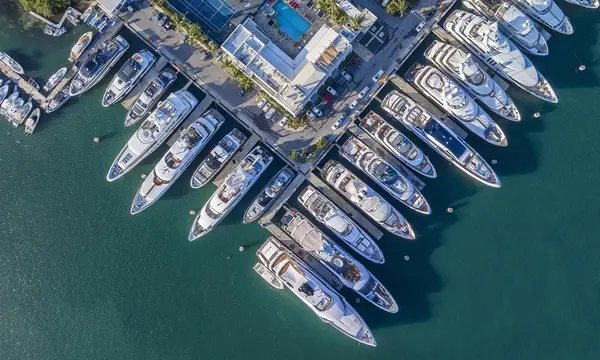
IGY Yacht Club Isle de Sol and Simpson Bay Marina have received Blue Flag recognition covering 2026–2028, highlighting environmental operations at two important Sint …
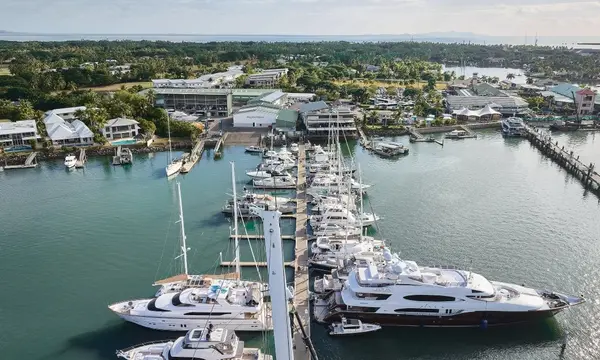
Port Denarau Marina in Fiji reports FJ$9.81m FY2026 net profit, up 42%, with new 115m-capable berthing facilities supporting demand.
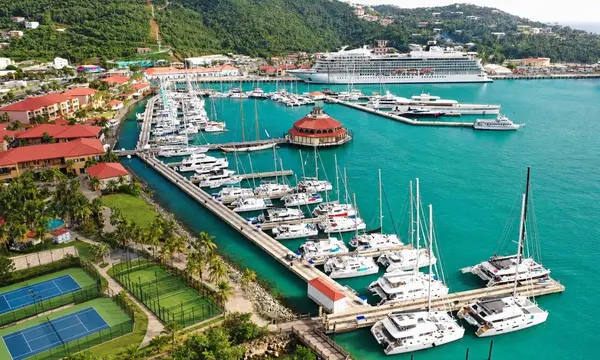
IGY Marinas has opened a new racquet and pool club at Yacht Haven Grande in St. Thomas and expanded its Harbor360 waterfront event space.
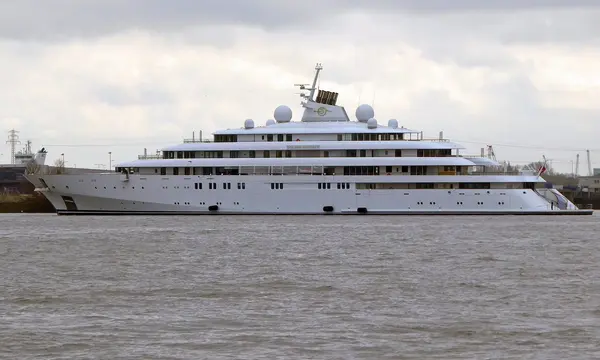
A sighting of the 123m Lürssen GOLDEN ODYSSEY in Saint Lucia spotlights the logistics, hospitality and engineering of one of the largest superyachts.
Superyacht Guide
Continue into the wider Superyacht Guide.
Business opportunities · Superyacht Guide
Companies serving the superyacht market can discuss clearly identified advertising, sponsorship and business-profile opportunities. Commercial activity remains separate from independent editorial coverage.