Southern Wind Chief Executive Marco Alberti Receives Lighthouse Legend Award
By Superyacht Guide Newsroom · Edited by Superyacht Guide Newsroom
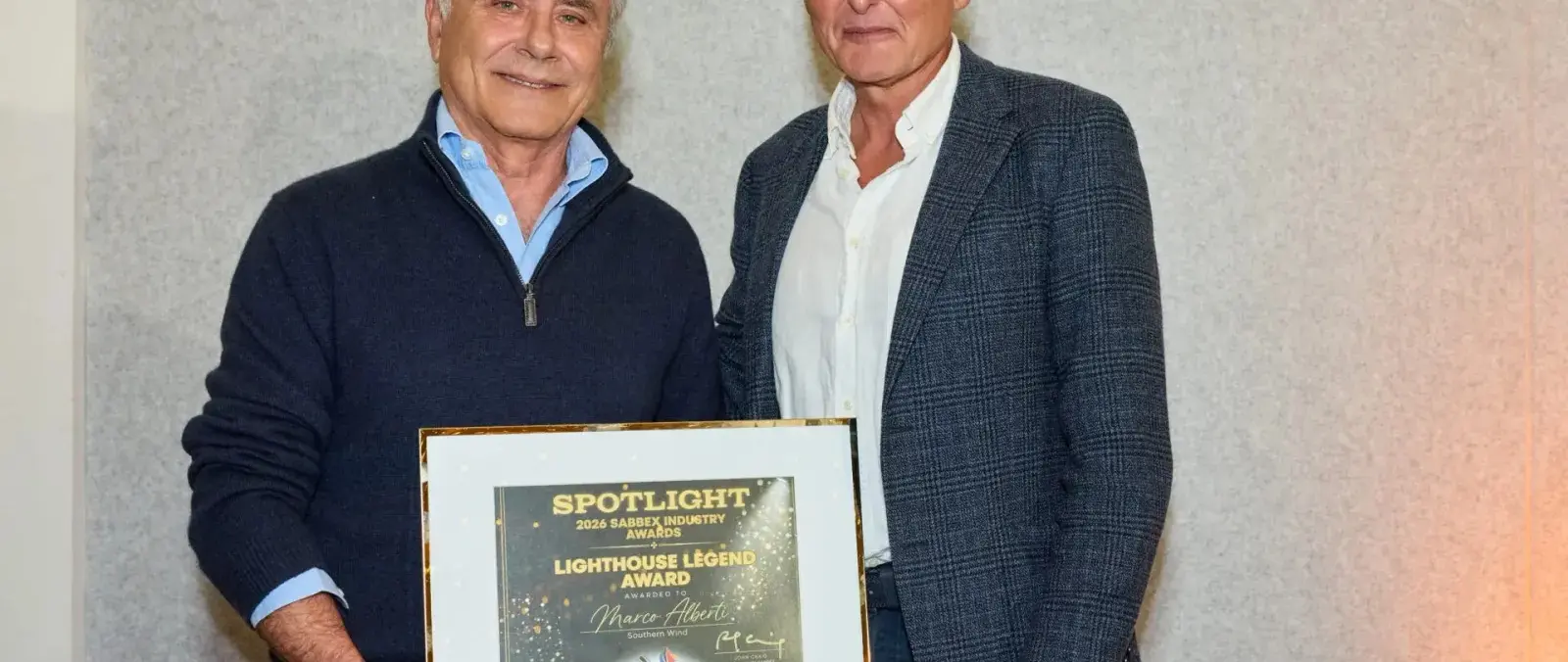
Marco Alberti receives recognition — Southern Wind official award photograph
Southern Wind reports Marco Alberti’s Lighthouse Legend recognition at the 2026 South African boatbuilding awards, honouring his long industry career.
Southern Wind chief executive Marco Alberti received the Lighthouse Legend award at the 2026 South African boatbuilding industry awards in Cape Town. Southern Wind distributed an account of the recognition on 27 October, following the ceremony at the Royal Cape Yacht Club during the African Boating Conference. The event was organised by the South African Boat Builders Export Council, known as SABBEX. The tribute highlighted Alberti's long involvement in the development of the sailing-yacht builder, the delivery of 60 yachts and the growth of its workforce from approximately 30 people to more than 400. The award recognises a career and contribution to the industry; it is not an award for a particular newly delivered yacht. Its relevance to the superyacht sector lies in the establishment of specialist manufacturing and engineering expertise over an extended period in a region outside the industry's most familiar European building centres.
The gala brought together shipyards, equipment suppliers and industry professionals from around South Africa, along with international visitors attending the African Boating Conference. According to the account distributed by Southern Wind, the awards attracted 56 nominations across eight categories. Alberti received the Lighthouse Legend distinction for his contribution to leadership, technical mentorship and the industry over the course of his career.
This is a useful reminder that the reputation of a boatbuilding business depends on the development of people as well as on the yachts that ultimately leave the yard. An important aspect of technical leadership is the establishment of an organisational environment in which specialist knowledge can develop and be shared. Many aspects of yacht construction are closely connected: apparently small decisions in one discipline may materially affect the work of another. Recognition of the individuals whose responsibilities encompass that relationship gives a different view of the industry from an award concerned principally with the appearance or performance of a completed yacht. The Lighthouse Legend award addresses the human contribution underlying that work.
The industry tribute reproduced in Southern Wind's account identifies an increase in the company's employment from around 30 people to more than 400. The figures are significant because yacht construction requires the development of a combination of practical and technical skills. As a company expands, it must not only recruit additional people but establish the processes required for the larger organisation to deliver a consistent result.
The reported growth does not specify a particular period for each stage of the expansion or provide a detailed breakdown of the current workforce. It nevertheless illustrates the transition from a relatively small operation to a substantial industrial employer. The development of an experienced workforce is especially relevant to yacht production because the specialist requirements of a large vessel are not always served by general manufacturing expertise alone. Continuous training, technical supervision and the coordination of work between departments are important to the successful completion of a project. An experienced employee may also have detailed knowledge of how the company's previous designs were constructed and how that knowledge can inform a later project.
The tribute identifies the delivery of 60 Southern Wind yachts over the company's history. That figure provides a useful indication of experience accumulated across completed builds, although it does not specify how many of those yachts fall within any particular length segment or identify the total number of vessels remaining in operation. The yard's activity in performance-oriented sailing yachts is particularly relevant to the superyacht industry.
A history of completed projects provides opportunities for the builder to learn from the way its vessels are actually used. Such experience may inform the subsequent design of access for maintenance, construction techniques or the selection and installation of equipment. It may also help a prospective owner understand the character of the builder's approach by examining examples of the resulting vessels. The number of deliveries alone is not a sufficient measure of build quality, nor does it establish that every previous yacht shares the same construction method or technical specification. Its significance lies in the accumulated experience represented by the programme and in a workforce capable of carrying out a succession of individually detailed projects.
The recognition takes place within a broader South African boatbuilding industry whose work extends well beyond the construction of the largest yachts. The same event honoured people from Robertson & Caine, Phoenix Marine and Ullman Sails. The range of sectors represented is relevant because a major yacht builder can benefit from an established marine supply chain and an environment where specialists in different disciplines operate alongside one another.
The presence of an established boatbuilding industry also provides pathways for individuals to develop skills relevant to progressively more demanding projects. A person initially learning a particular area of marine fabrication or equipment installation may later apply that experience in a more specialised role. The availability of such opportunities is an important consideration for a yard seeking to develop a long-term workforce. International clients should nonetheless examine the actual arrangements for their planned build. The fact that a company operates within a recognised industry cluster does not establish the origin, delivery time or availability of every component that will be specified for the project.
Mentorship was one of the themes of the tribute to Alberti. The value of experienced technical personnel is particularly apparent in the transition between design information and the physical assembly of a yacht. Drawings and specifications are necessary, but a builder must establish how the work will be organised, checked and coordinated. The knowledge of how to recognise an inconsistency or identify a potential problem during construction is valuable when it is transferred to the next generation of specialists.
An organisation expanding from a few dozen people to several hundred needs to establish ways for that knowledge to be retained without depending entirely on the presence of one individual. Formal records, training programmes and supervisory responsibilities can help ensure that lessons from particular projects are not lost. The award recognises Alberti's contribution to that broader human aspect of the industry rather than claiming that a specific manufacturing or training method was responsible for the company's success. For the owner commissioning a new yacht, the ability of a shipyard to maintain and develop its specialists matters because the vessel represents an extended commitment involving a number of different teams.
Alf Tinker of Southern Wind received the Navigating Success award at the same ceremony. Other distinctions reported by Southern Wind included the Unsung Hero award for Dieter Roux of Robertson & Caine, the High Tide award for Ebrahim Miller of Phoenix Marine and the Growing Boating award for Morgan Evans of Ullman Sails. Their inclusion illustrates the focus placed by the organisers on the range of contributions necessary to the development of the marine industry.
The announcements do not provide a detailed description of the work of every award recipient, and their individual roles should not be extended beyond the information released without further evidence. The grouping of awards nevertheless makes clear that the event was not restricted to senior executives or yacht designers. Recognition of employees and technical specialists can help demonstrate the variety of professional pathways within maritime manufacturing. The development and retention of that range of expertise is especially important where businesses seek to support internationally competitive yacht construction.
Southern Wind's work encompasses sailing yachts conceived for substantial passages and sailing performance as well as comfortable accommodation. That combination presents particular demands upon a construction team. The relationship between hull design, structure, sailing systems, technical equipment and interior arrangements needs to be understood across disciplines, rather than treated as a sequence of decisions governed by separate objectives.
The suitability of an individual yacht for an owner's intended use depends on its commissioned design and the resulting specification. An owner seeking a particular style of sailing may place a different emphasis on the yacht's arrangement and equipment from an owner whose activities principally concern extended cruising. A builder with experience across completed sailing-yacht projects may be in a position to discuss those requirements in the context of previous work. Its ability to do so depends on the knowledge of the people involved, including those responsible for the yacht's construction and commissioning. The recognition of technical leadership in Cape Town is therefore relevant to the sector even though the award does not relate to a specific design or new order.
The 27 October account was published on Southern Wind's website and distributed through its industry newswire channel. It attributes the award to SABBEX and describes the recognition within the broader South African boatbuilding community. The original announcement is at https://sws-yachts.com/sws-news/marco-alberti-sabbex-awards-2026/. The announcement does not identify a new vessel contract, capital investment or change in ownership associated with the award.
For the superyacht industry, the significance of the recognition is the history of specialist skills and industrial development represented by the tribute. The growth in employment and the reported delivery count describe the scale of Southern Wind's development over time. They also provide a useful context for understanding why the continuing availability of experienced engineers, craftspeople and project leaders is central to the operation of a major yacht yard. The Lighthouse Legend distinction explicitly recognises that contribution to the wider South African industry.
Primary source: Southern Wind, company-distributed 27 October 2026 announcement via TheSeaWire; original account credited to Bobby Jordan, IBI.
Original shipyard release: Original company announcement.
Southern Wind — official photograph distributed with its SABBEX award announcement via TheSeaWire. Official source.
Southern Wind — official photograph distributed with its SABBEX award announcement via TheSeaWire.
Explore
Go deeper into the yachts, companies, events and destinations directly connected to this article.
Continue reading
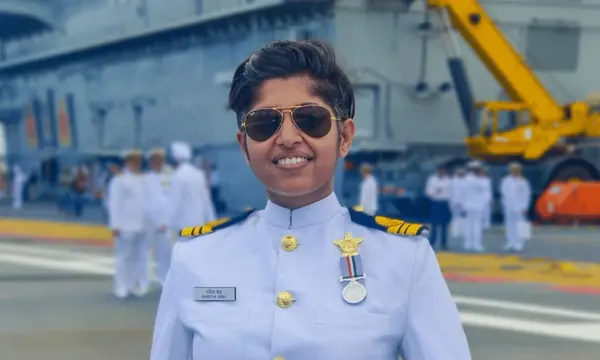
A METSTRADE interview with former Indian Navy engineer Darsitha Babu examines the transfer of engineering, project leadership and compliance skills to yachting.
Somec Group, whose engineered-systems division has major marine glazing operations, establishes Fabbrica Europe for advanced European architectural facades.
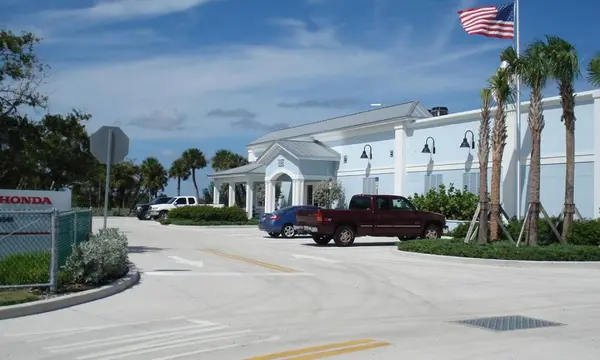
Honda Marine opens a Florida Marine Office at its Grant-Valkaria R&D facility to link global engineering, rigging validation and US boatbuilder support.
UK-based Super Yacht Tenders has set out a structured crew-familiarisation service covering launch and recovery, close-quarters handling, guest boarding and equipment maintenance aboard the …
Superyacht Guide
Continue into the wider Superyacht Guide.
Business opportunities · Superyacht Guide
Companies serving the superyacht market can discuss clearly identified advertising, sponsorship and business-profile opportunities. Commercial activity remains separate from independent editorial coverage.
