Major refit yards are adding capacity, drawing private capital and capturing repeat work from an expanding fleet, turning maintenance and modernisation into a strategic growth business.
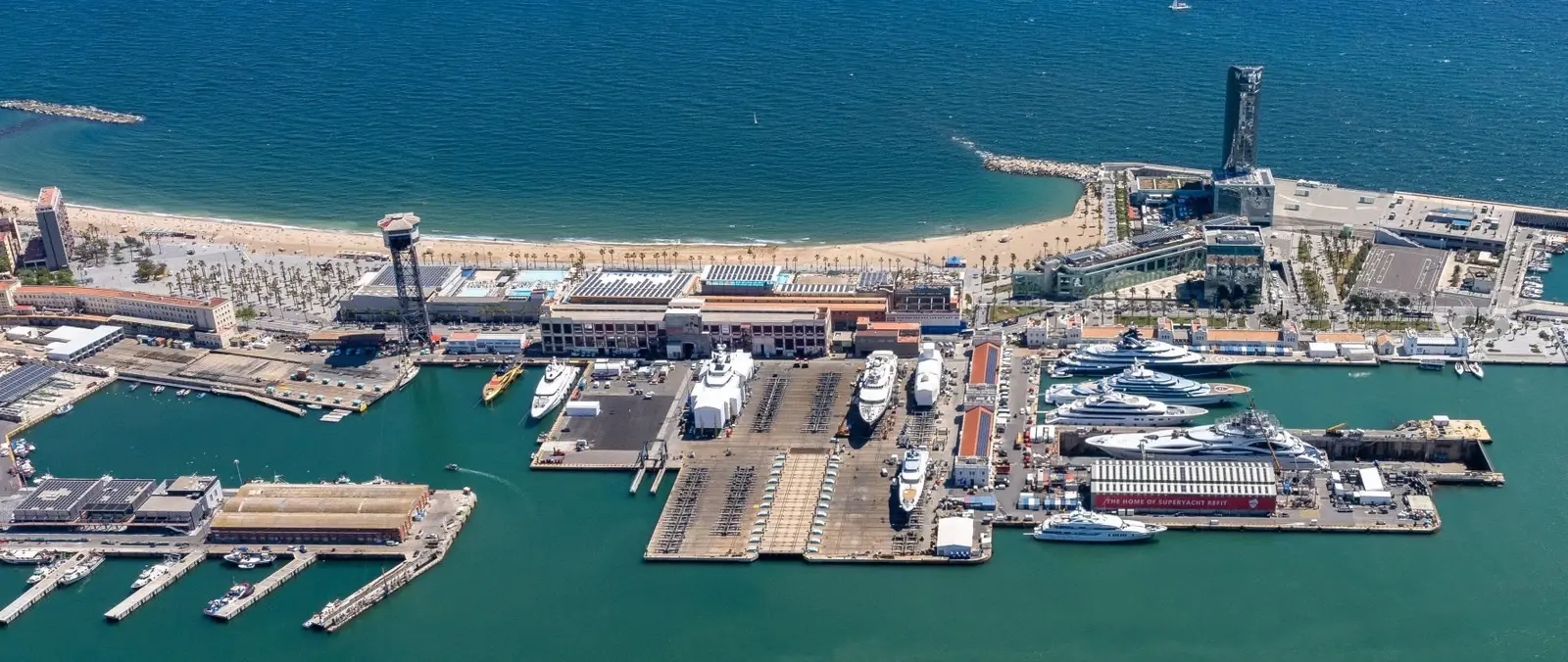
The superyacht industry's next growth cycle is increasingly being built around yachts that already exist. In Barcelona, MB92 has committed more than €40 million to new refit infrastructure between 2026 and 2028, a level of spending that illustrates how maintenance, repair and modernisation are moving closer to the centre of the industry's economics.
The attraction is structural rather than seasonal: every yacht delivered into the fleet creates decades of potential yard work after the launch ceremony is over. As the installed fleet grows older and more technically complex, refit businesses gain a recurring stream of projects ranging from scheduled maintenance to major engineering, paint and interior programmes.
MB92's latest Barcelona investment adds 4,000 square metres to the shipyard and includes a new 680-tonne telescopic Travelift serving five hardstanding spaces for yachts up to 55 metres. The Port of Barcelona has also approved a ten-year extension of the existing concession, initially taking the yard to 2050 and giving the operator the long horizon needed to justify capital-intensive infrastructure.
Private capital is following the same logic. In March, Squircle Capital increased its stake in MB92 to 100% after successive investments since 2019, while MB92's expansion has included major lifting platforms and the acquisition of GYG Limited, bringing Pinmar, Pinmar Yacht Supply and Technocraft into the group.
The pattern is visible beyond the largest corporate groups. Pendennis said its Vilanova operation entered its busiest period on record in 2025, hauling more than 120 superyachts during the year and handling 29 yachts in October alone while its marina reached full capacity during the autumn refit season.
Those numbers matter because refit revenue is spread across a broad industrial base rather than concentrated in a single hull contract. Travel lifts, dry docks and berths feed work to engineers, painters, joiners, electricians, project managers, surveyors and specialist suppliers, allowing established yards to monetise both infrastructure and technical labour repeatedly.
New-build yards are also competing for lifecycle revenue once a yacht has entered service. Damen Yachting reported a significant increase in owners returning yachts to their original build yard for refits, citing AVANTI and SYNTHESIS among recent projects at Vlissingen.
The commercial advantage is knowledge as much as capacity. A builder that retains drawings, engineering history and experienced personnel can reduce uncertainty on complex work, while a returning yacht gives the yard a customer relationship that may last far longer than the original construction programme.
MB92 itself says demand for superyacht refit, repair and maintenance is at an all-time high, driven by both new deliveries and the existing fleet. Its strategy now combines long concessions, heavy infrastructure, multiple Mediterranean locations and specialist service companies, turning what was once viewed as an ancillary yard activity into an integrated platform.
That model also changes how investors can look at yachting. New-build demand can move with wealth cycles and order-book sentiment, but a large operational fleet still requires surveys, paint, machinery work, upgrades and class-related maintenance whether owners are ordering another yacht or not.
None of this means new construction is becoming unimportant, because every delivery expands the future refit market and the largest yards often operate in both worlds. The shift is that value is increasingly captured after delivery, with owners returning to yards many times over the life of an asset rather than generating revenue only when a new yacht is commissioned.
For the industry, the refit boom is therefore more than a run of busy winters in Mediterranean shipyards. It is changing where capital is deployed, which businesses attract institutional investors and how much of a yacht's lifetime expenditure can be retained by the companies that service it after launch.
Explore
Go deeper into the yachts, companies, events and destinations directly connected to this article.
Continue reading
Can Charter Income Cover Superyacht Running Costs? Charter income can offset a meaningful share of superyacht operating costs, but it rarely makes ownership cost-free …

Burgess says charter days booked increased 35% in 2025, with demand also rising in the 40–60m sectors and winter 2026/27 bookings well ahead of …
European superyacht charter VAT is determined by more than a country's headline tax rate. This 2026 guide compares major charter jurisdictions and explains the …
Burgess describes clients seeking private, personalised yacht charters built around wildlife, culture, family activities and specialist experiences.
Superyacht Guide
Continue into the wider Superyacht Guide.
Business opportunities · Superyacht Guide
Companies serving the superyacht market can discuss clearly identified advertising, sponsorship and business-profile opportunities. Commercial activity remains separate from independent editorial coverage.