Westport Unveils 52m 172 Endeavour Adventure-Yacht Design at FLIBS
By Stephen Yardley · Edited by Stephen Yardley
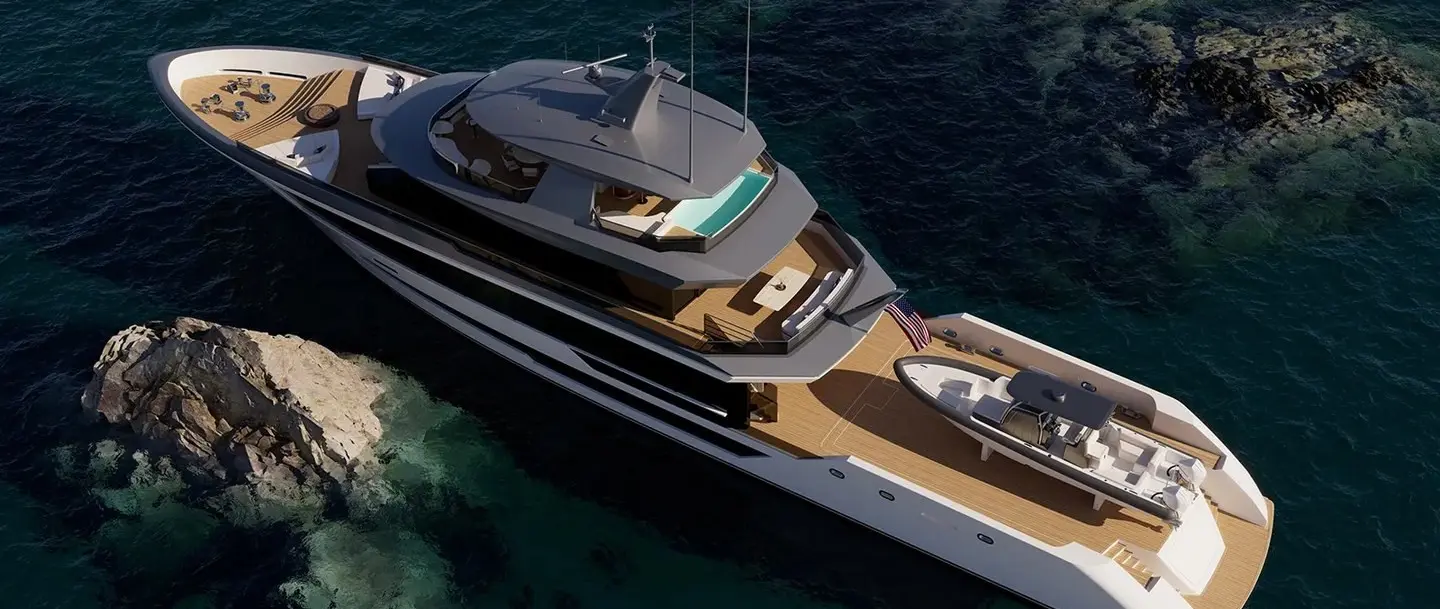
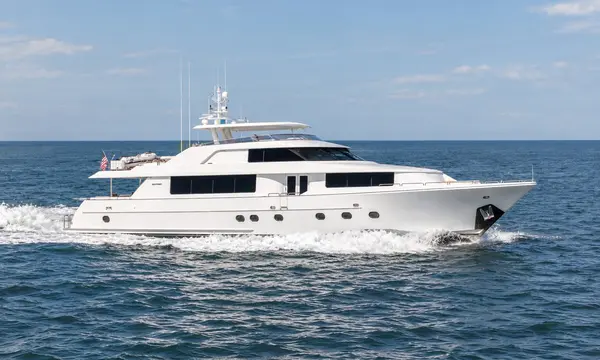
Image: Westport Yachts — official concept rendering of 172 Endeavour, via YachtBuyer; not a completed yacht
Westport introduced its 52-metre 172 Endeavour adventure-yacht design at Fort Lauderdale International Boat Show 2026. The 463GT project pairs a five-cabin guest arrangement with a large aft deck designed for a 12-metre tender and an advertised 19-knot cruise.
Westport Yachts has introduced the 52-metre 172 Endeavour design during the 2026 Fort Lauderdale International Boat Show, extending its conversation with owners who want more ambitious tender operations without adopting the slow-speed profile often associated with explorer yachts. The project is described as an adventure-focused motor yacht of approximately 463 gross tons, with expansive aft-deck facilities and five guest staterooms. It is a proposed model, not a recently launched or delivered yacht.
The unveiling took place as builders gathered in Florida for the show running from 28 October to 1 November. Westport's established American construction business provides the background, while the Endeavour proposal introduces a different set of operating priorities. The event is a commercial design presentation; no completed vessel, signed construction contract or confirmed delivery date has been established in the reporting reviewed. Buyers should therefore distinguish proposed performance and equipment from independently demonstrated sea-trial results.
At about 52 metres overall, the Endeavour is conceived to give owners room for recreational equipment while preserving the comfortable accommodation expected aboard a large motor yacht. The most visible change is the generous aft main deck, designed to accommodate a substantial tender measuring approximately twelve metres. That arrangement is significant for owners who regularly undertake fishing excursions, dive trips or shore visits requiring something more substantial than a compact runabout.
The extended deck also changes the way the vessel might be used at anchor. It creates a practical zone for tender movements and can support outdoor gathering when equipment is not being deployed. The exact operational arrangement will depend on davits, cranes, securing methods and the tender selected. A rendering cannot establish safe lifting capacities or the efficiency of recovery in challenging conditions; detailed engineering and crew procedures will remain central to the final design.
Westport presents the design as an unusually fast option for adventure cruising. Contemporary reporting based on the builder's presentation gives an intended cruise around nineteen knots and a possible maximum of about 21.5 knots. The emphasis is on making longer relocations less time-consuming than aboard some lower-speed expedition platforms. These figures are design targets and not measurements from sea trials of a completed Endeavour yacht.
Speed must also be interpreted alongside fuel consumption, range and the conditions in which a yacht will operate. An owner who spends extended periods at anchor may value economy at reduced speed more than the ability to cover a short leg quickly. The hull, machinery and operational profile should be evaluated as a single system. Neither the reported cruise speed nor promotional language is sufficient evidence of a specific transoceanic range.
The yacht's exterior design is credited to MW Yacht Design, while Verge Yacht Design is associated with the interior programme. Westport is responsible for naval architecture. The participating teams have been described as working together from the early stages so that layout decisions support the desired performance instead of creating compromises after the exterior has been fixed. Large windows and contemporary lines contribute to a profile more closely related to luxury cruising than traditional workboat-derived exploration.
Early collaboration between naval architects and design studios can be especially important when a client expects unusual tender arrangements. Space taken up by machinery, structure and equipment cannot simultaneously be used for accommodation, so priorities must be established before detailed construction. The current materials show a design direction, not a full list of approved final components. A prospective buyer should request a definitive general arrangement and construction specification once these are available.
The proposed guest arrangement accommodates up to ten people in five staterooms, making the concept suitable for owners who entertain family or friends during longer trips. The published imagery also suggests comfortable social areas and a substantial outdoor programme. As with any yacht in development, the exact relationship between guest cabins, crew quarters and technical spaces will influence how the vessel operates on an extended itinerary.
A good accommodation plan should be considered in operational terms as well as visually. The distance between cabins and service areas, the handling of supplies and the separation of guest and working routes all affect the experience. Crew numbers and detailed layouts should not be invented when the current announcement leaves them unspecified. Designers may make adjustments as the project moves toward an owner contract and actual engineering decisions.
For owners who travel with large sportfishing or exploration tenders, the means of storing and deploying the boat can become one of the decisive factors in choosing a mothership. The Endeavour proposal places that issue near the centre of the design, rather than treating tenders as accessories hidden in a garage with limited space. A clear, extended aft deck can simplify some activities but creates further requirements for structure, equipment securing and working crew.
A twelve-metre tender is itself a significant vessel, with its own machinery, fuel and operating considerations. The yacht must have suitable launching and recovery arrangements, appropriate deck load capacity and measures to keep people away from moving equipment. The rendering gives a useful indication of the intended arrangement, but buyers will need engineering drawings and a practical operational assessment before judging how safely it can serve a particular tender.
Westport has a long record of American composite boatbuilding, tracing the company's history to 1964. Its production methods include large precision mouldings and a focus on repeatability, which the yard presents as advantages for consistency and structural integrity. The Endeavour concept is being introduced alongside existing models in the shipyard's portfolio, giving potential clients a wider choice of design emphasis and yacht size.
A new model can benefit from an established manufacturing platform, but the relationship between the proposed Endeavour and previous hull designs needs careful examination. Promotional material indicating use of familiar tooling does not mean the new layout has already been tested in every operating condition. Owners should ask about engineering validation, class requirements and how the performance profile will be achieved in the chosen specification. Past experience provides context, not an automatic guarantee.
Explorer yachts are sometimes discussed as though they form one fixed category. In reality, one owner may want maximum endurance in remote waters, another may prioritise equipment for fishing or diving, and another may require generous guest accommodation with the flexibility to relocate quickly. The Endeavour makes sense as an effort to serve the second and third priorities without abandoning Westport's characteristic luxury experience.
That difference should guide a buyer's questions. If a yacht will spend long periods far from specialist repair facilities, its spares, technical redundancy and access to maintenance become critical. If it will operate mainly from well-serviced marinas with frequent tender excursions, daily deck usability may matter more. The designer's description should be translated into a realistic programme with distances, crew numbers and available support before a decision is made.
The new design appeared during the 2026 Fort Lauderdale show, where Westport also promoted its established raised-pilothouse range. The broader company's participation created a setting for owners to discuss current yachts and potential future builds with the same sales team. Importantly, the 172 Endeavour should not be confused with an older W172 tri-deck model simply because both use a similar length designation. Distinct projects can differ substantially in layout, styling and design intent.
For editors and buyers, naming accuracy matters. A photograph of a completed earlier Westport cannot be treated as proof that the new Endeavour has been launched. The image accompanying this announcement is an official concept rendering supplied in contemporary coverage. Actual construction progress, hull number and delivery schedule will require further confirmation as the project develops. The unveiling establishes a concept, not a finished yacht available for inspection.
The Endeavour is a noteworthy addition to the discussion about what a luxury adventure yacht can be. It combines a 52-metre scale, five-stateroom accommodation, a proposed nineteen-knot cruise and meaningful space for a very large tender. Together those elements create a proposition more specific than the generic promise of a yacht capable of doing everything. Its ultimate appeal will depend on how closely the finished engineering matches the published brief.
Next steps will include a confirmed building contract, precise machinery and range specifications and a clear plan for tender deployment and crew operations. None should be described as completed without supporting evidence. For the moment, Westport has presented a new option for owners who see exploration in active, practical terms. The challenge is to turn an attractive design into a vessel that works reliably when its owner is actually at sea.
Source: Westport design information / YachtBuyer reporting, 3 November 2026.
Explore
Go deeper into the yachts, companies, events and destinations directly connected to this article.
Continue reading
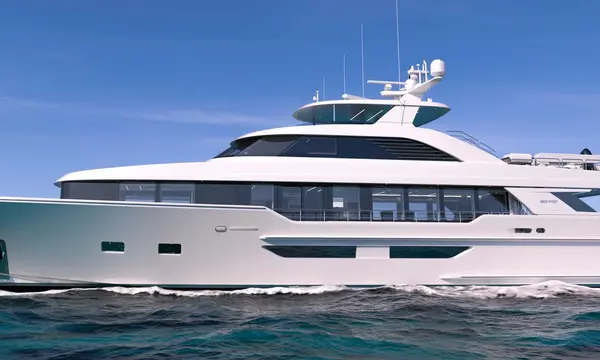
The 35.76-metre Westport W117 is part of the builder’s Fort Lauderdale showcase, with a raised pilothouse, five suites and a versatile cruising specification.
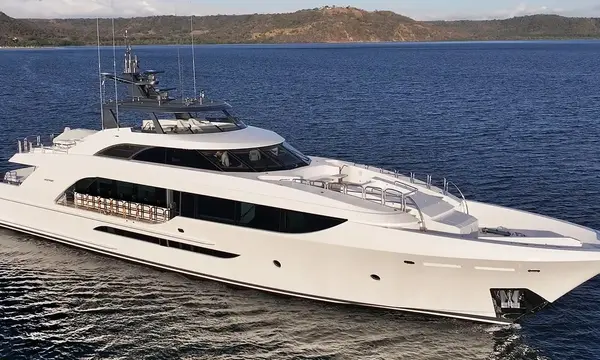
Westport is showing the new 40.99-metre W135 at the Fort Lauderdale International Boat Show, introducing a refined raised-pilothouse flagship to visitors.
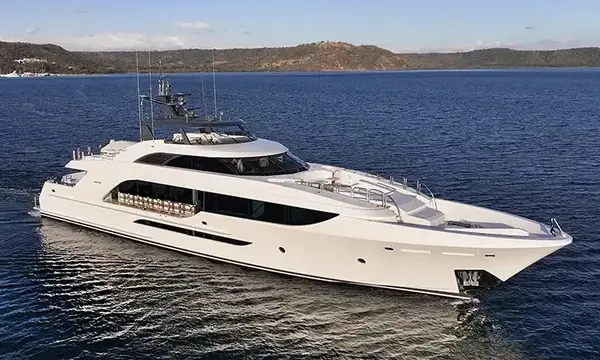
Westport Yachts has confirmed a presence at the Fort Lauderdale International Boat Show on 28 October–1 November 2026, highlighting its 35-metre W117 and 41-metre …
Fraser has listed the 34m Westport superyacht DANCING TIDES, built in 2014, with an eight-guest layout, customized interior, flybridge amenities and twin MTU propulsion.
Superyacht Guide
Continue into the wider Superyacht Guide.
Business opportunities · Superyacht Guide
Companies serving the superyacht market can discuss clearly identified advertising, sponsorship and business-profile opportunities. Commercial activity remains separate from independent editorial coverage.