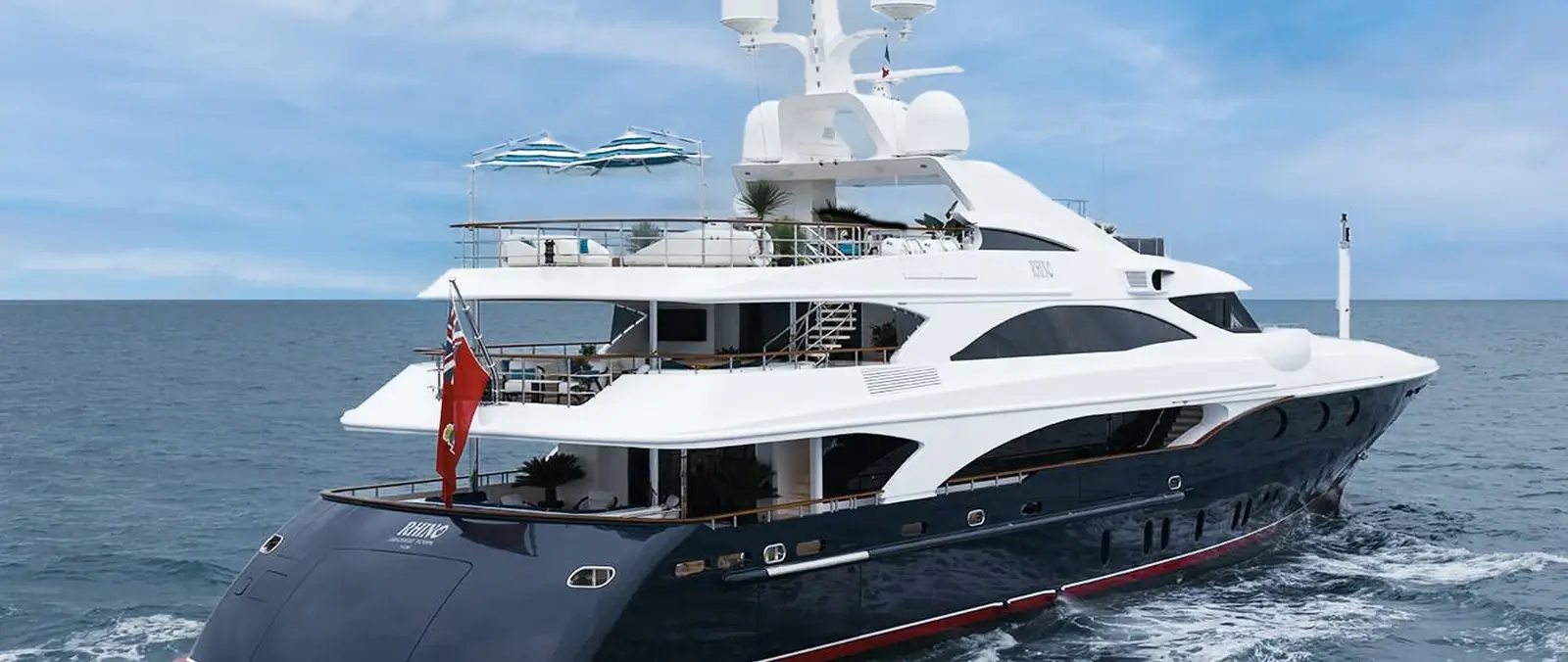
Buyers are concentrating on 40–60m superyachts that deliver serious range, luxury and charter potential without automatically taking on the complexity of much larger vessels.
For years, the most visible signal of success in yachting was simple: go bigger. But the brokerage market in 2026 is showing a more complicated pattern, with buyers increasingly concentrating on yachts in the 40–60 metre range even as the very largest custom projects continue to grow. The appeal is not austerity; it is the ability to keep serious capability while avoiding some of the cost, crewing and access penalties that arrive with extreme scale.
Burgess says the 40–60 metre sector has become the brokerage market’s most attractive segment, appealing to both first-time owners and experienced buyers. The brokerage points to a combination of ocean-going range, beach clubs, wellness areas and modern onboard technology that now gives yachts in this band many of the lifestyle features once associated mainly with much larger vessels.
The operational argument is just as important as the guest experience. Burgess says mid-range yachts commonly operate with about eight to 12 crew, while the 40–60 metre band can also offer easier marina access and, at the lower end, the regulatory advantages that can come with remaining below 500GT. That combination creates a yacht that still feels substantial without automatically bringing the administrative and crewing burden of a much larger platform.
The shift also reflects a change in what buyers are asking a yacht to do. Burgess reports that younger clients are entering the market with greater interest in travel, exploration, wellness, remote working and technology, while acquisition decisions are increasingly being framed around how an owner wants to live rather than around length alone. A yacht that can support extended cruising, private work space and serious wellness facilities may therefore beat a larger alternative if it is easier to operate.
That same theme emerged from the 2026 Superyacht Design Festival, where Burgess highlighted the growing influence of younger ultra-high-net-worth clients and the importance of experience, wellbeing and adaptability in new design briefs. The industry is still building enormous yachts, but the design conversation is increasingly about how effectively space is used rather than simply how much of it exists.
Burgess says its analysis of 100 yachts from 30 to 100 metres found ownership costs rising by about 15 percent for every additional five metres, while charter revenues increased by about 22 percent. Those figures do not make a 40–60 metre yacht inexpensive, but they help explain why buyers who intend to charter may pay more attention to the relationship between size, running cost and earning potential instead of treating maximum length as the default objective.
For first-time buyers, the argument becomes even clearer. In a separate analysis of the 40–50 metre market, Burgess describes the segment as large enough to deliver the full superyacht experience while remaining comparatively manageable in crew operations, running costs and marina access. Proven charter capability can also give an owner a way to offset part of the annual operating burden when the yacht is not in private use.
The rise of the mid-size sweet spot should not be confused with a collapse in demand for very large yachts. Fraser says more than 600 yachts over 30 metres are currently under construction, with the average build length reaching an all-time high of 48.5 metres and 26 projects exceeding 100 metres. The order book is therefore stretching in both directions: extreme custom projects remain important while a highly liquid middle is becoming more commercially significant.
That distinction matters because the buyer choosing 45, 50 or 55 metres is not necessarily “downsizing” in the conventional sense. Many are selecting a platform that can still cross oceans, carry tenders and toys, host 10 or 12 guests and offer gym, spa and beach-club spaces, but can do so with fewer operational compromises than an 80 or 100 metre yacht. The decision is increasingly about matching scale to use rather than chasing scale for its own sake.
If the 40–60 metre band continues to attract both new owners and experienced buyers, shipyards, brokers and marinas will have strong incentives to concentrate more products and services around it. Burgess already points to more shipyards entering the segment and more models becoming available, while Italy, Turkey and Northern Europe are all competing for buyers who want serious capability without stepping into gigayacht territory.
Resale strategy may also reinforce the pattern, because a yacht that sits inside an active size category gives an owner a broader potential buyer pool when it is time to exit. That does not guarantee liquidity, but it makes the balance between specification, age, condition and asking price more important than headline length alone.
There are limits to the trend, because yacht choice remains intensely personal and larger vessels offer privacy, range, volume and specialist facilities that smaller yachts cannot reproduce. Yet the market signal is becoming difficult to dismiss: for a growing group of buyers, the smartest superyacht is not necessarily the biggest one they can own, but the smallest one that can deliver everything they actually want.
Explore
Go deeper into the yachts, companies, events and destinations directly connected to this article.
Continue reading

Burgess says charter days booked increased 35% in 2025, with demand also rising in the 40–60m sectors and winter 2026/27 bookings well ahead of …
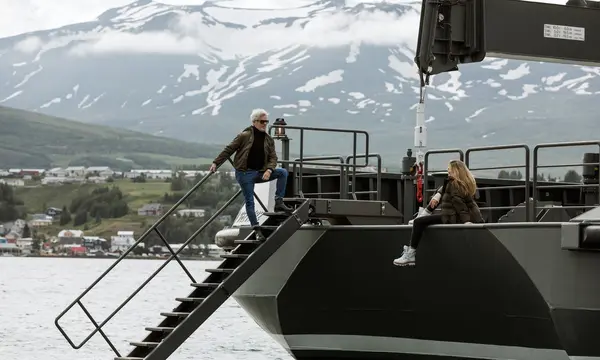
Burgess describes clients seeking private, personalised yacht charters built around wildlife, culture, family activities and specialist experiences.
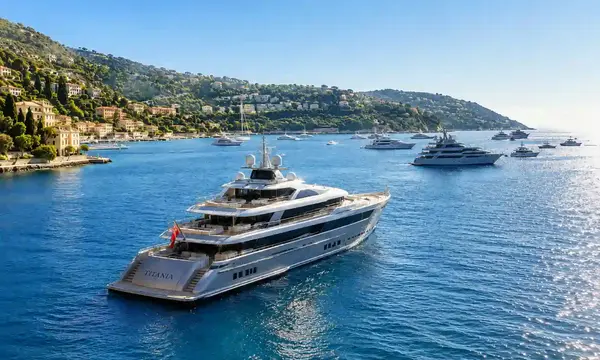
Late-August gaps in the Mediterranean charter calendar are producing substantial discounts, with Burgess offering reduced rates on yachts including 73m Titania and 63.1m North …

A new generation of technology wealth is reaching the yacht market, with younger buyers placing greater emphasis on privacy, connectivity, wellness, performance and immediate …
Superyacht Guide
Continue into the wider Superyacht Guide.
Business opportunities · Superyacht Guide
Companies serving the superyacht market can discuss clearly identified advertising, sponsorship and business-profile opportunities. Commercial activity remains separate from independent editorial coverage.