Superyacht Bridge Systems: What Navigation Equipment Is Actually Required?
A modern superyacht bridge may contain multiple integrated displays, but the legal minimum is driven by flag, commercial status, gross tonnage and operating area. …
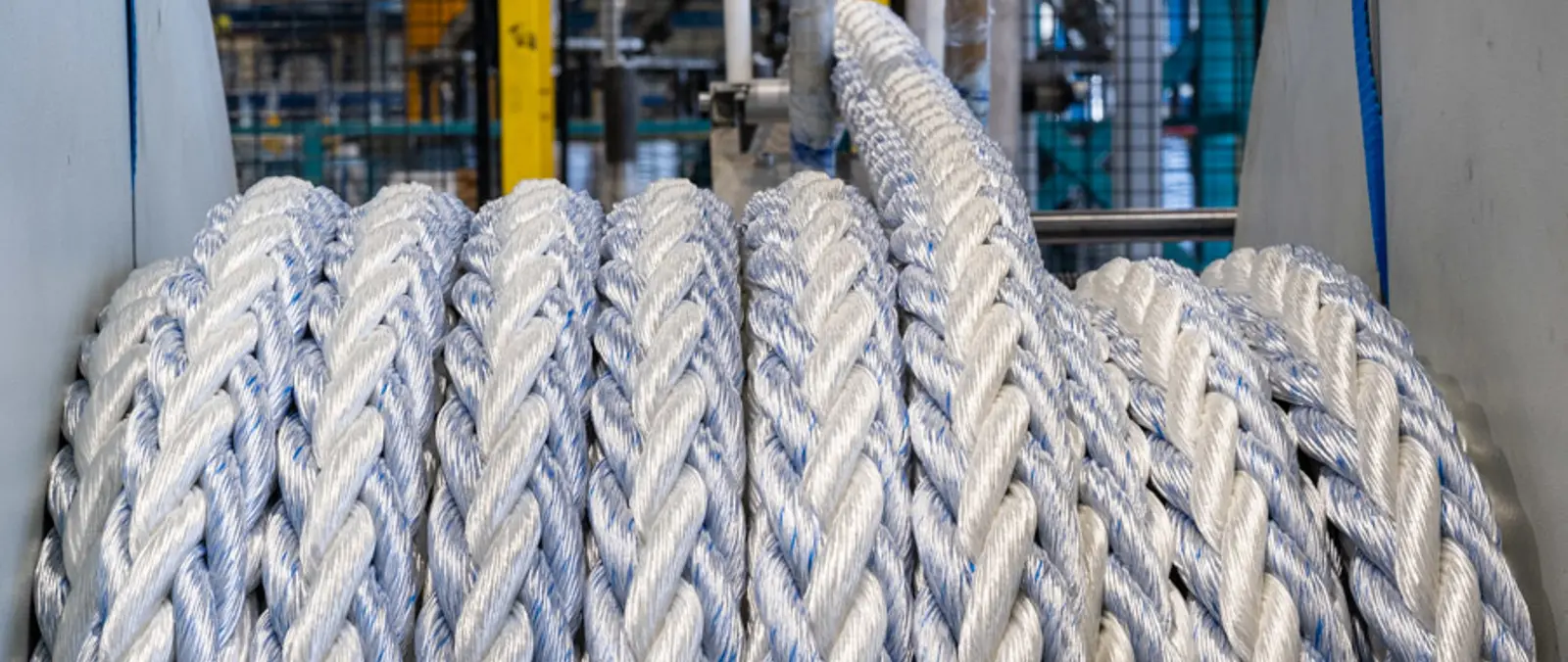
Image: Wilhelmsen Ships Service
Wilhelmsen Ships Service is highlighting new-generation TIMM Master mooring ropes with Snap Back Arrestor technology alongside Revelle emissions monitoring.
Wilhelmsen Ships Service is using SMM 2026 to highlight a package of operational technologies that includes new-generation TIMM Master mooring ropes with Snap Back Arrestor technology and the Revelle real-time emissions-monitoring solution. The combination puts crew safety and environmental data at the centre of a supplier presentation that is directly relevant to large-yacht operations.
Mooring and emissions may appear unrelated, but both are areas where better equipment and better information can reduce risk. Superyachts routinely conduct close-quarters berthing with comparatively small deck teams, while owners and managers face growing pressure to understand fuel use and emissions with greater accuracy.
Wilhelmsen says the new-generation TIMM Master ropes incorporate Snap Back Arrestor technology designed to enhance crew safety during mooring operations. Snap-back remains one of the most serious hazards associated with loaded mooring lines because a rope that parts under tension can recoil through an area that crew may otherwise regard as clear.
Equipment alone cannot make mooring safe. Deck procedures, communications, line selection, inspection, fairlead geometry and crew positioning remain essential, but reducing the energy and behaviour associated with a failed line can add another layer of protection in an operation where consequences can be severe.
Large yachts frequently berth stern-to in Mediterranean marinas, use combinations of stern lines, springs and ground lines, and may work with shore teams whose procedures vary from port to port. High loads can develop quickly when wind, current or propeller wash affects the vessel, particularly during arrival and departure.
That makes mooring equipment a genuine safety system rather than a consumable to be judged principally by diameter and breaking load. Owners and captains increasingly need documented inspection regimes, retirement criteria and crew training to match the capability of modern high-performance ropes.
Wilhelmsen is also presenting Revelle, which the company describes as a real-time emissions-monitoring solution delivering emissions data for compliance and operational insight. The system sits within a wider SMM package that also includes gas-distribution inspection, potable-water treatment and other ship-service products.
For yachts, more accurate emissions data can help technical teams understand how machinery load, operating profile and fuel choices affect real-world output. That is increasingly useful as builders and owners compare conventional, hybrid and alternative-fuel solutions rather than relying solely on theoretical consumption figures.
The common thread is that yacht operations are becoming more measurable. Mooring systems can be specified around documented risk, while emissions can increasingly be monitored rather than estimated. Both trends create better information for captains, engineers, managers and insurers, but they also raise expectations about how that information is acted upon.
Wilhelmsen's SMM display therefore has relevance beyond the commercial fleet. Superyachts face many of the same line-handling, maintenance and environmental-control challenges as larger ships, often with smaller crews and demanding operating schedules, making practical safety technology and usable live data increasingly important parts of vessel management.
Continue reading
A modern superyacht bridge may contain multiple integrated displays, but the legal minimum is driven by flag, commercial status, gross tonnage and operating area. …
A superyacht does not simply become scrap when it grows old. Refit, resale, repurposing and finally regulated recycling form a long end-of-life chain that …
The MCA’s Yacht Unlimited CoC lets qualified deck officers progress to Chief Mate or Master on yachts above 3,000GT without leaving yachting for cargo-vessel …
Junior Yacht Stewardess Salary 2026: Entry-Level Pay and Leave Junior yacht stewardess and steward pay in 2026 is currently benchmarked at about €3,000–€3,500 per …
Superyacht Guide
Continue into the wider Superyacht Guide.