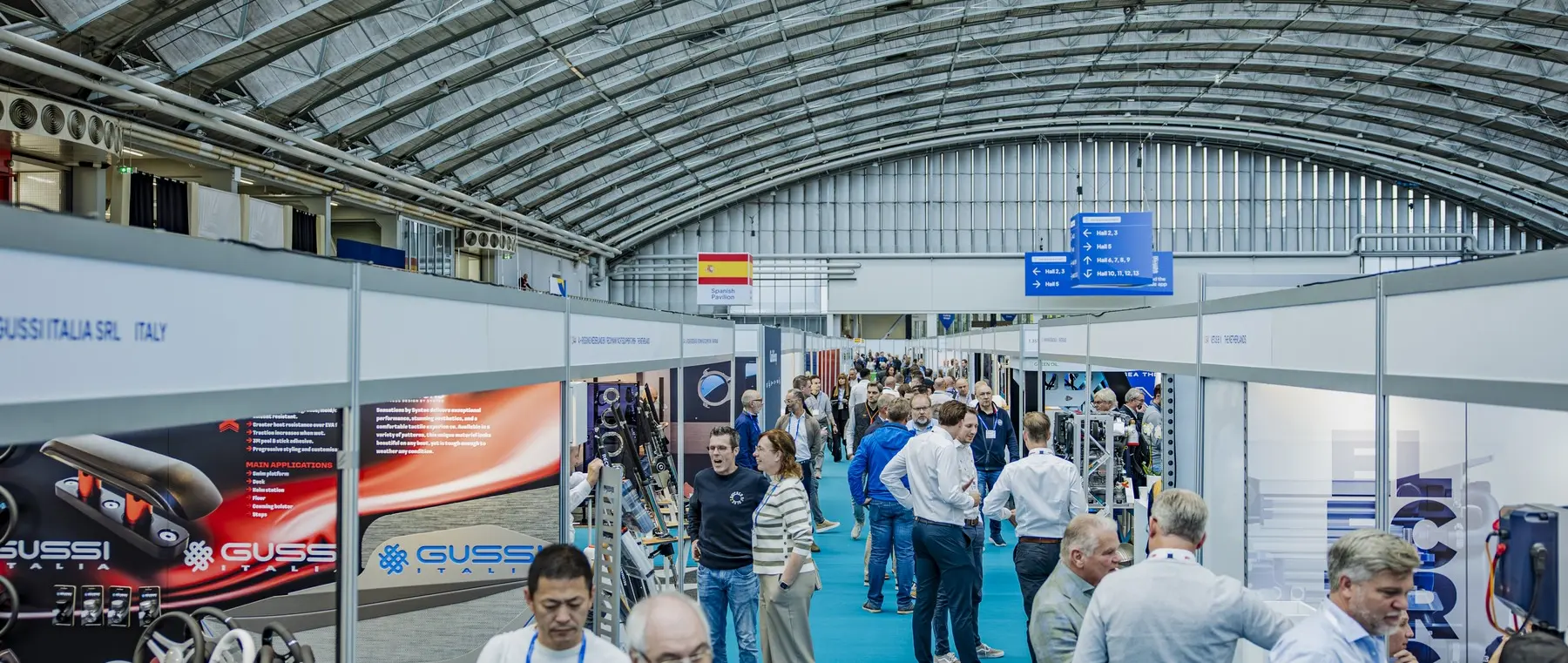
The Yacht Infrastructure Summit in Amsterdam on 18 November will address marina investment, refit capacity, shore power and services as yachts become larger.
The Yacht Infrastructure Summit will make its debut on 18 November 2026 in Amsterdam, bringing marina developers, yacht-yard operators, investors and technical suppliers together to examine the physical systems supporting the growing superyacht fleet. Announced by SuperYacht Times and Marina World in partnership with Safe Harbor, the one-day conference is being hosted alongside METSTRADE's expanded Marina & Yard Zone at RAI Amsterdam. The organisers intend the event to link strategic investment discussions with companies showing practical equipment and services at the exhibition.
This is a planned industry conference, not the completion of a new marina or the approval of a particular waterfront scheme. Its relevance lies in the growing mismatch between the sophistication of new yachts and the facilities available to berth, maintain and support them. Larger vessels require deep-water access, high-capacity utilities, trained specialists and sometimes refit infrastructure far from their original construction yards.
A marina that can accommodate conventional motorboats may not have the water depth, turning space, berth strength or access restrictions suitable for a 70-metre superyacht. The berth itself is only part of the problem. Larger yachts need safe manoeuvring areas, appropriately positioned mooring bollards, shore-power connections, controlled waste handling and secure road access for provisions and technical teams.
Port expansion is also constrained by local conditions. Dredging may affect sensitive marine habitats and require lengthy environmental review, while coastal communities may have competing demands for fishing, ferries and public waterfront space. A credible investment model must account for these issues before promising high berth occupancy or a rapid return on construction expenditure.
A superyacht must return periodically for class surveys, coatings, machinery inspections and upgrades even when its owner is satisfied with the original accommodation. A maintenance yard therefore needs more than alongside quay space: safe lifting or dry-docking options, workshops, painting environments, heavy electrical supply and controlled access for specialist contractors may be required. The appropriate capability depends on yacht length, displacement, technical complexity and the scope of work.
When refit capacity is scarce, a yacht may have to sail farther or wait longer for an appropriate slot. That can disrupt a carefully planned summer charter season or a family cruise. Investors considering a new yard should examine not just the size of the possible yachts but the number of skilled trades and specialist suppliers that can be coordinated safely within the facility.
Owners and regulators increasingly expect vessels to reduce generator operation while alongside, where connection infrastructure is available and technically compatible. Supplying a large yacht may require a higher-voltage or higher-capacity electrical connection than a small pleasure craft needs. Marinas must consider transformer capacity, cable-handling systems, protection equipment, metering and the availability of grid power during high-demand periods.
Installing a connector does not guarantee the yacht will use it. Voltage, frequency, neutral arrangements, isolation requirements and onboard conversion systems may differ, making compatibility a design-stage question for both marina and yacht. The economic assessment also depends on electricity tariffs, maintenance costs, permitting and whether future vessels will have different electrical needs. Claims of zero-emission berthing should distinguish exhaust eliminated locally from electricity generated elsewhere.
Premium berthing increasingly involves secure access, privacy, technical assistance and the ability to manage changing arrival plans. Yacht owners may move between regions throughout the year, and captains need accurate data on draught, tides, shore utilities, local rules and available support. Digital reservation tools can help, but high service quality still depends on trained marina staff and clear communication.
Some new marina networks also seek to consolidate smaller facilities, creating shared standards for repairs, procurement and customer service. Scale can improve operational resilience, but it may change prices and the relationship with local businesses. A responsible operator should explain how investment will benefit yacht users and the surrounding maritime community rather than assume that increasing berth fees is sufficient evidence of improvement.
Safe Harbor is participating as a partner in the summit, reflecting the importance of substantial marina operators in the debate about future infrastructure. SuperYacht Times and Marina World are organising the event, while METSTRADE provides the wider exhibition setting and access to manufacturers, suppliers and shipyard representatives. Each group approaches the subject from a different perspective, creating an opportunity to compare financial assumptions with practical operating experience.
The conference is scheduled near the Marina & Yard Zone, which has moved to Hall 9 for the 2026 exhibition, close to the Superyacht Zone in Halls 7 and 8. That geography matters for delegates who need to move between presentations, engineering suppliers and potential investors. It does not itself guarantee successful project partnerships, but it makes it easier to test an idea against companies capable of supplying actual equipment.
The organisers identify marina and refit development, investment, operational performance, energy, technology and customer experience as central subjects. Those areas are closely connected. An apparently profitable berthing plan may fail if the access channel needs expensive dredging, or if maintenance services cannot attract enough skilled workers. Conversely, a marina in a growing cruising region can support local employment and tourism when its infrastructure is planned around credible demand.
Delegates should use the summit to seek evidence of proven operating costs, regulatory experience and technical constraints rather than simply collect architectural renderings. Reliable financial planning depends on local demand forecasts, the surrounding transport network, storm protection, financing assumptions and the maintenance reserve for substantial marine structures. These decisions deserve the same discipline as the construction of the yachts the facilities will eventually serve.
The summit is scheduled for Wednesday 18 November, during the 17–19 November METSTRADE programme in Amsterdam. It is an opportunity for dialogue among stakeholders whose decisions can shape superyacht ownership over decades, but no meeting can remove the planning, environmental or financial constraints affecting a specific location. Real outcomes will require feasibility studies, permits, investment and sustained collaboration after participants leave the exhibition.
For owners and captains, infrastructure may be less glamorous than a yacht's interior or exterior lines, yet it determines where vessels can cruise with confidence and how quickly they can return to service after repairs. The Yacht Infrastructure Summit recognises that the superyacht market cannot develop indefinitely without corresponding investment in the places that support the fleet.
Explore
Go deeper into the yachts, companies, events and destinations directly connected to this article.
Continue reading
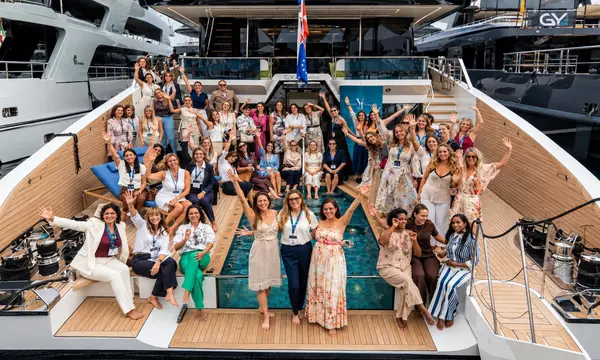
Yacht Femme names 15 finalists for its 2026 Women's Yachting Awards, spanning superyacht captaincy, builders, design and businesses, with prizes presented at METSTRADE.
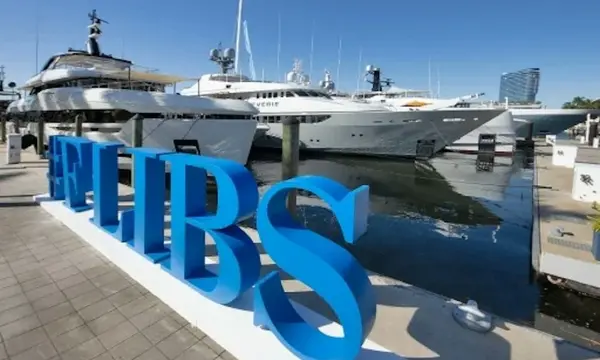
Five industry panels are scheduled at the 2026 Fort Lauderdale International Boat Show, covering the refit market, yacht brokerage, charter across North America and …

Metstrade and Water Revolution Foundation are highlighting verified marine products through the 2026 Superyacht Sustainability Route at RAI Amsterdam.

Metstrade's 18 November panel will bring Navico, West Marine, Saxdor and The Magenta Project leaders together to discuss future marine workforce skills and opportunities.
Superyacht Guide
Continue into the wider Superyacht Guide.
Business opportunities · Superyacht Guide
Companies serving the superyacht market can discuss clearly identified advertising, sponsorship and business-profile opportunities. Commercial activity remains separate from independent editorial coverage.