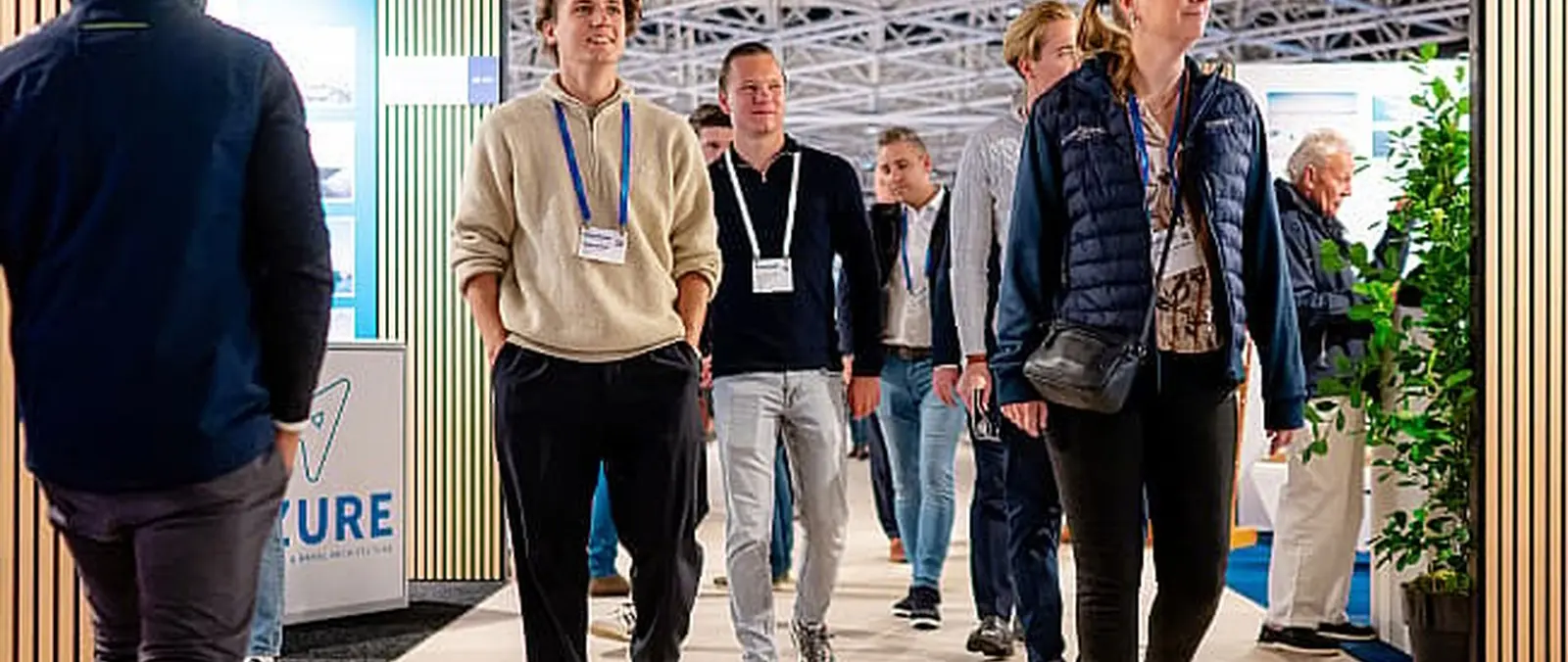
Metstrade and Water Revolution Foundation are highlighting verified marine products through the 2026 Superyacht Sustainability Route at RAI Amsterdam.
Metstrade and Water Revolution Foundation are preparing another Superyacht Sustainability Route for the Amsterdam equipment exhibition from 17 to 19 November 2026. The curated feature aims to help yacht builders, designers, refit managers and purchasing teams identify marine products whose environmental performance has been independently examined, rather than asking visitors to rely entirely on exhibitors' promotional language.
The route is distinct from the show's enlarged Superyacht Zone and from the Next Generation Propulsion Showcase. Those areas bring businesses and technologies together for commercial meetings, whereas the sustainability route focuses on evidence behind specific environmental claims. Water Revolution Foundation has confirmed its involvement for the 2026 show and describes the verified-solutions programme as part of its wider cooperation with Metstrade.
According to the organisers, a qualifying solution is examined through a third-party life-cycle assessment overseen by Water Revolution Foundation. A proper assessment looks beyond a product's marketing description and considers the resources and impacts associated with manufacture, use and end-of-life treatment under declared assumptions. Environmental benefits can vary substantially with the yacht's operating pattern and the scope of the assessment.
Yacht managers should ask which impact categories, reference conditions and boundaries are included in any verified report. A reduced energy requirement during operation may not tell the entire story if manufacturing involves unusually high material inputs, and a claimed reduction in waste may depend on a recycling pathway that is not available in the planned cruising region. Verification is valuable because it allows more precise questions, not because it creates one universal league table of products.
At concept stage, designers and naval architects can still influence insulation, lighting, water systems, coatings and equipment access. Many apparently small selections eventually become difficult to change because services are built behind fixed interiors or buried inside substantial machinery spaces. Information about expected service life and environmental trade-offs is therefore most useful before material procurement has been finalised.
An independently reviewed product may be attractive because it lowers a particular impact, but it must still satisfy the technical needs of the yacht. Fire approval, structural performance, humidity resistance, hygiene and appropriate warranty conditions remain mandatory considerations. A designer cannot substitute an environmental rating for the class and regulatory approval needed for a given application.
For a refit, removing an existing system is rarely environmentally neutral. Contractors may uncover reusable equipment, materials requiring specialist waste handling or additional work that changes the project's original budget. A verified lower-impact replacement should be compared with the option of repairing or upgrading what is already aboard, using realistic service-life expectations rather than the assumption that every new product is better.
The work is also time-sensitive. A yacht may have a narrow scheduled yard period between seasons, with multiple trades competing for access and a list of owner-approved priorities. Selecting technically suitable, readily available components with support in the vessel's operating regions is part of sustainability in practice, because premature failure or repeated removal can waste material, energy and labour.
Water Revolution Foundation's Hub of Verified Solutions is intended as a common resource for decision-makers, while the sustainability route provides an on-site way to find relevant suppliers. A captain or purchasing manager can use the meeting to request documented evidence of performance, maintenance requirements, repairability and any restrictions on using a particular material aboard a yacht.
An exhibitor's presence in a show does not prove that every product it sells has completed the same assessment, and a product's sustainability route listing should be checked against the current verified scope. The event website also contains historical exhibitor examples; these should not be mistaken for a confirmed final list of participants in the 2026 route. Owners should obtain the current exhibitor details from the organisers.
Metstrade's superyacht trade areas bring together specialist suppliers, shipyards and service providers whose products must work within increasingly complex yacht systems. The show is scheduled at RAI Amsterdam, allowing owners' representatives and marine professionals to discuss materials, equipment and project implications with manufacturers in person. Technical clarification at this stage can help prevent errors in procurement and installation later.
Not all relevant sustainability gains involve propulsion. Thermal management, hotel-load efficiency, antifouling choice, washdown, filtration and the durability of interior components can materially affect operating requirements. Their impacts are distributed across several contractors and suppliers, which is one reason a route crossing normal product categories can be more useful than a generic list of environmentally branded companies.
The sustainability route is not an announcement that the participating technologies are all zero-emission or that a fully sustainable superyacht is now achievable. It is a framework for comparing particular products using a more defensible evidence base, subject to the assumptions and methods published with each assessment. Measured changes must ultimately be monitored aboard real vessels if they are to influence long-term investment.
After Amsterdam, the practical test will be whether owners, designers and shipyards use the information when planning new construction and refits. Requiring suppliers to explain the evidence behind their claims can improve procurement discipline and help align technical decisions with owners' environmental objectives. For the superyacht sector, that is a more credible direction than treating sustainability as a decorative attribute of an exhibition stand.
Explore
Go deeper into the yachts, companies, events and destinations directly connected to this article.
Continue reading
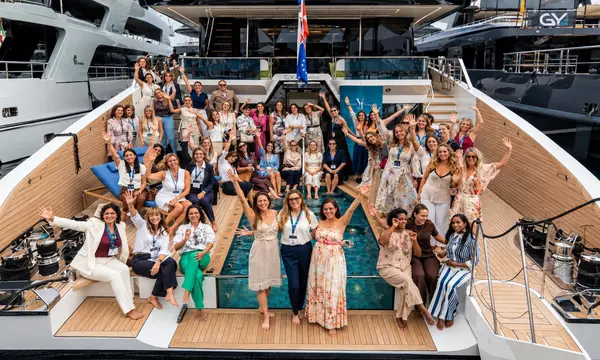
Yacht Femme names 15 finalists for its 2026 Women's Yachting Awards, spanning superyacht captaincy, builders, design and businesses, with prizes presented at METSTRADE.
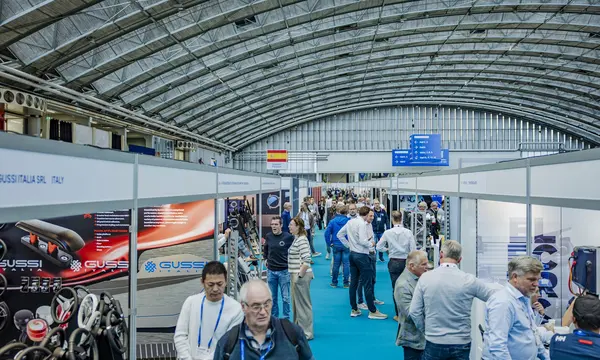
The Yacht Infrastructure Summit in Amsterdam on 18 November will address marina investment, refit capacity, shore power and services as yachts become larger.

Metstrade's 18 November panel will bring Navico, West Marine, Saxdor and The Magenta Project leaders together to discuss future marine workforce skills and opportunities.
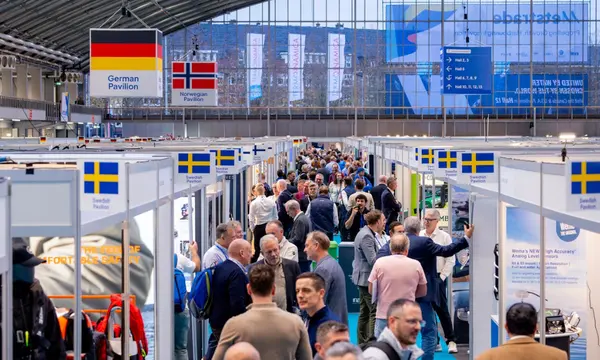
METSTRADE has unveiled its 2026 content programme covering market change, AI, advanced propulsion, sustainability and emerging boatbuilding technologies.
Superyacht Guide
Continue into the wider Superyacht Guide.
Business opportunities · Superyacht Guide
Companies serving the superyacht market can discuss clearly identified advertising, sponsorship and business-profile opportunities. Commercial activity remains separate from independent editorial coverage.