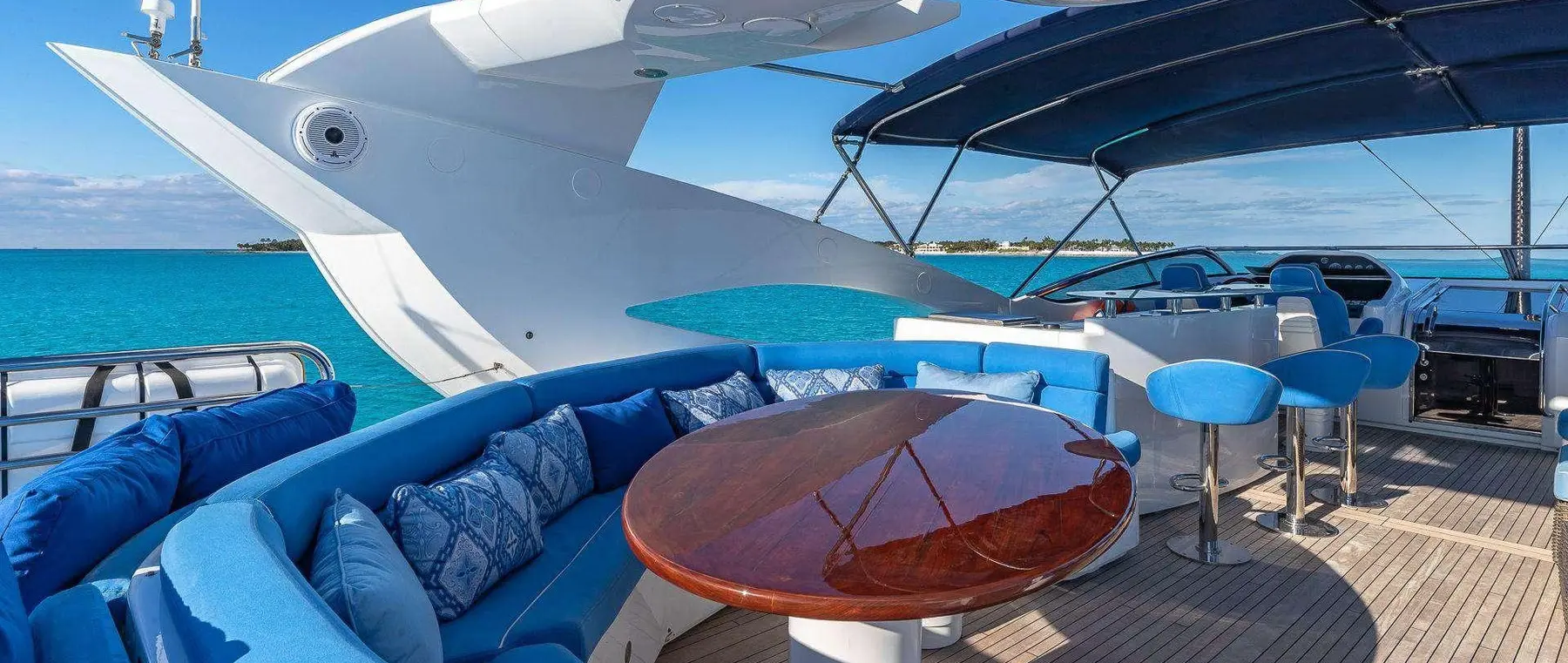
The 32m Sunseeker 105 Yacht KEFI is offered for $2.195m with four guest suites, flybridge entertaining and twin MTU propulsion.
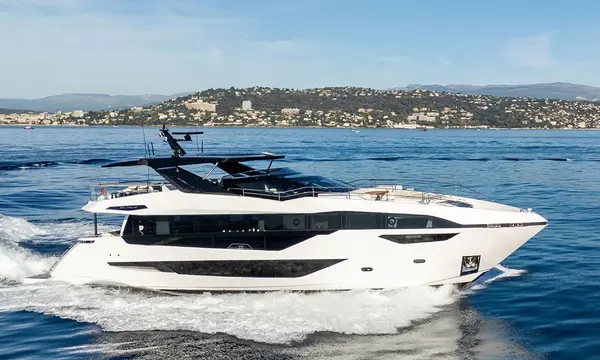
The 31.93-metre Sunseeker 105 Yacht KEFI is being offered for sale at $2,195,000, with Paul Denton of Luke Brown Yachts identified as the listing broker. The yacht was delivered in 2004 as the eighth hull of Sunseeker's 105 Yacht series, placing her in a period when the British builder was extending its production experience into larger, professionally crewed vessels. The October 2026 offering highlights the appeal of an existing flybridge motor yacht with a relatively approachable asking price.
An advertised sale does not confirm that a vessel is mechanically ready for a new owner's intended voyages. KEFI's condition must be established through independent survey, with particular attention to engine service, generator hours, structural records and the quality of any later refurbishment. The chance to acquire a yacht over thirty metres without waiting for construction can be attractive, but responsible ownership begins with a full assessment of the vessel as delivered today.
The 105 Yacht was developed with exterior design and naval architecture by Don Shead Yacht Design, while interior work on KEFI is attributed to Ken Freivokh. Her semi-displacement composite hull and superstructure are intended to provide substantial living space while supporting a defined cruising programme. The profile includes broad decks and a flybridge large enough for social use, a major appeal of this category during the early 2000s.
Owners comparing the 105 with newer models should inspect the structural and acoustic performance of the original design rather than relying entirely on the visual effect of a yacht's proportions. A fibreglass hull requires maintenance of protective coatings, inspection of penetrations and attention to repairs undertaken during previous ownership. Modern electronics can be added, but they should be integrated with existing electrical systems and service records.
KEFI accommodates eight guests in four ensuite cabins, including a full-beam owner's suite, a main-deck VIP accommodation and two further twin staterooms. That distribution offers flexibility for family groups and a measure of privacy between the principal guest areas. Crew accommodation is provided for as many as five in three cabins, allowing a professional operating structure appropriate to a yacht with substantial machinery and hospitality responsibilities.
A buyer should examine the exact configuration rather than assume every listed berth is equally comfortable for adults. Twin cabins can be useful for children, while a main-deck VIP may be appealing to an older family member who prefers fewer stairs. Privacy, access to bathrooms and proximity to machinery can make more difference over a two-week cruise than the overall cabin count. Crew working routes should also be evaluated.
The main saloon has warm timber cabinetry, pale seating and large windows, with a formal dining area positioned forward. The covered aft deck supports meals outside, while the upper flybridge offers a wet bar, shade and sunbathing areas. Foredeck seating provides another place to watch a coastline or spend time away from the main guest group, and a hydraulic swim platform creates more convenient access to the water.
These amenities are subject to operational limitations. A flybridge is less useful in strong wind or uncomfortable seas, and guests should not use water-level platforms when conditions make boarding unsafe. Hydraulic components need inspection for leaks and adequate manual or emergency procedures. The objective is a comfortable, adaptable yacht rather than a collection of features that can only be photographed under perfect conditions.
The current listing identifies twin MTU 16V2000 M91 diesel engines with ratings of approximately 2,000 horsepower each. It also reports an operating range of about 1,900 nautical miles and a fuel capacity of approximately 14,494 litres. The published speed figures of nine knots cruising and twelve knots maximum require confirmation against the installed equipment and the assumptions used for the reported range.
A buyer should not calculate an ocean passage using the headline range without knowing fuel reserves, weather factors, generator consumption and machinery condition. Engine maintenance over more than twenty years can affect performance, while changes to tenders or interior equipment alter weight. A meaningful sea trial should record the actual speeds, temperatures, vibration and fuel use at agreed loading and power settings.
Maintaining a substantial flybridge yacht involves more than periodic engine servicing. Cooling, air-conditioning, plumbing, shore-power systems and electronic controls may contain components that are difficult to access once furniture and decorative panels are in place. Equipment installed in 2004 may have been replaced with newer products, potentially creating a mixture of generations and interface standards.
A complete inventory and updated drawings become important when a maintenance contractor is working away from the builder. Owners should ask whether spare parts for propulsion and hydraulic equipment remain readily available, which alarm systems have been updated, and whether the vessel carries reliable documentation for previous wiring or software changes. A modest initial purchase price can be undermined by avoidable downtime during an owner's first cruising season.
Sunseeker is a British yacht manufacturer with a broad product history extending from smaller performance craft to sizeable superyachts. The 105 Yacht represented one step in that progression, combining a recognisable Sunseeker appearance with the accommodations needed for crewed cruising. Don Shead's naval architecture and exterior design contributed to the hull and overall character, while Ken Freivokh's interiors developed the experience of living aboard.
Luke Brown Yachts is the brokerage representative for the current offering rather than an original builder or designer. The broker can coordinate inspections and provide sales information, but buyers need independent specialists to establish technical condition and ownership documentation. A clear inventory of personal items, tenders, spares and service agreements should be attached to the final contract.
At a published asking price of $2.195 million, KEFI may appeal to owners who want the accommodation of a thirty-two-metre yacht rather than a much smaller new boat. The comparison should be made using total expected expense over several years, including crew, berthing, surveys, repairs and future resale rather than simply the cost per metre. Larger dimensions may bring greater comfort, but they impose greater obligations.
The October listing offers a particular 2004 Sunseeker with a clear design identity and established cruising layout. It is not evidence of a completed transaction or a newly certified performance record. Her suitability will be determined by inspection, the authenticity of service documents and whether her operating characteristics align with the buyer's routes and lifestyle.
Explore
Go deeper into the yachts, companies, events and destinations directly connected to this article.
Continue reading
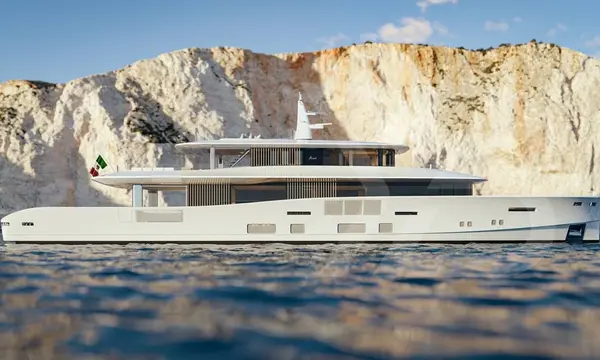
Benetti has sold the first 40.6-metre B.Neos 40M full-hybrid superyacht, with delivery scheduled for spring 2028.
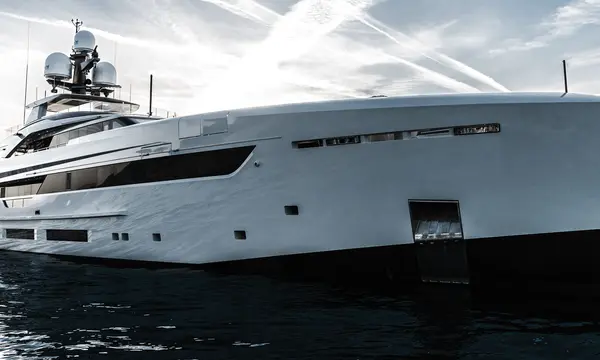
Fraser currently offers the 50-metre Tankoa KINDA at €27.9 million, while Tankoa details a MAN-Siemens hybrid system with three operating modes.
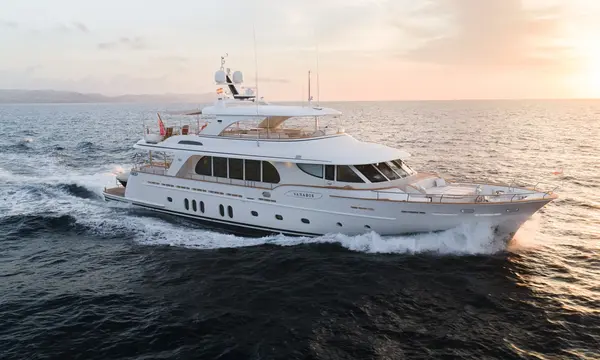
Fraser has reduced the asking price of 31.2m hybrid motor yacht VANADIS to €6.35 million, following her earlier €7.5 million market entry.
The 29.9m Sunseeker 100 Yacht FAMILY SPIRIT has received an almost €2 million price reduction and is now asking €10.995 million with Burgess.
Superyacht Guide
Continue into the wider Superyacht Guide.
Business opportunities · Superyacht Guide
Companies serving the superyacht market can discuss clearly identified advertising, sponsorship and business-profile opportunities. Commercial activity remains separate from independent editorial coverage.