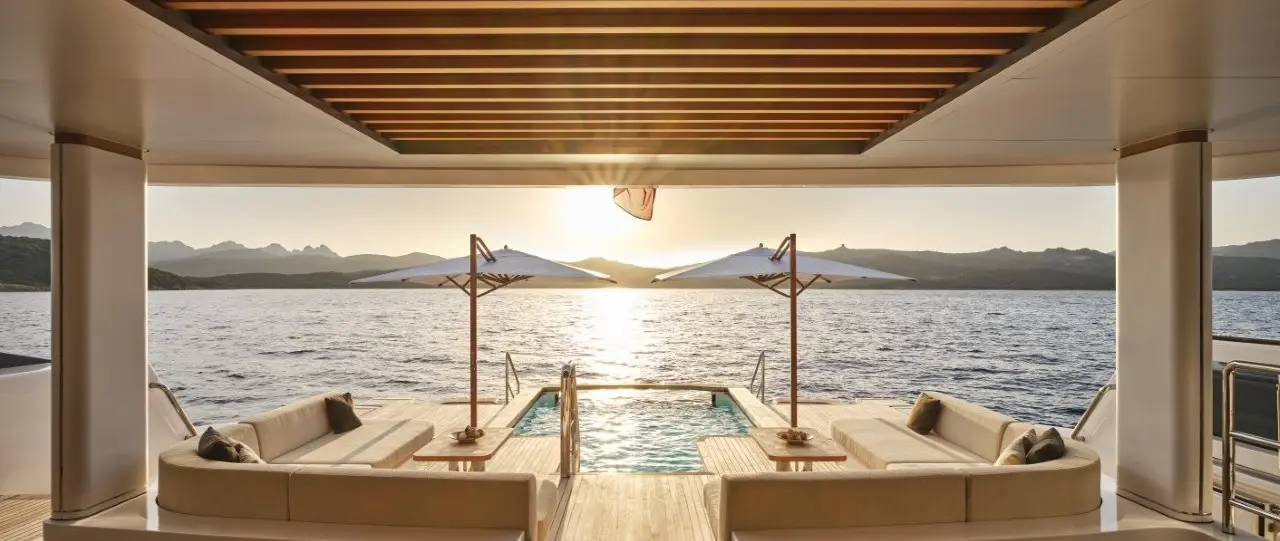
67m Benetti DAGGER Uses 360kWh Salt Battery Hybrid System
By Stephen Yardley · Edited by Stephen Yardley
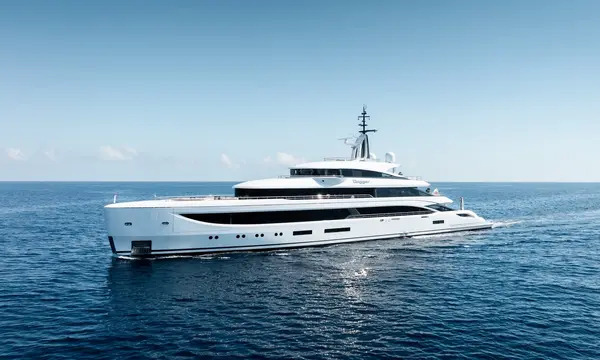
Benetti’s 67m B.Now yacht DAGGER combines two Caterpillar main engines, bidirectional 200kW VEM shaft motors and a 360kWh sodium-metal chloride battery bank.
Benetti has equipped the 67-metre B.Now superyacht DAGGER with a modular hybrid propulsion system that combines conventional diesel machinery with electric drive and a sodium-metal chloride battery bank. Fresh technical coverage of the yacht has detailed how the components operate in different combinations to support quieter cruising and onboard power.
The yacht was built at Benetti’s Livorno facility with a steel hull and aluminium superstructure and has a reported volume of 1,334 gross tonnes. The exterior was designed by RWD, with custom interiors by Sinot Yacht Architecture & Design, while the builder developed the engineering platform.
Benetti describes the installation as part of its longer-running Green Route programme for propulsion innovation. The company attributes advantages to the flexible arrangement, but the claims should be considered in the context of the operating mode and confirmed trials rather than assumed to apply equally to every itinerary.
DAGGER carries two Caterpillar C32 main engines, complemented by three Caterpillar generators and two bidirectional VEM shaft generator-electric motor units rated at 200 kilowatts each. The hybrid arrangement allows electrical energy and mechanical propulsion to be transferred in either direction through the shaft system.
In power-take-off mode, the shaft units work as generators driven by the main engines, helping supply onboard hotel loads and charge the battery bank. In power-take-in mode, they operate as electric motors, translating energy from generators or batteries into thrust on the propeller shafts.
Controllable-pitch propellers provide another element of flexibility by changing blade angle while allowing the machinery to remain nearer a preferred operating regime. Although the system can reduce the need to run separate generators in some circumstances, it also demands integrated control, specialist servicing and careful crew training.
The energy-storage component is a 360-kilowatt-hour bank using sodium-metal chloride, often called salt batteries, with a stated peak-shaving capacity of up to 150 kilowatts. Benetti points to the chemistry’s thermal characteristics and tolerance of long inactive periods as reasons for choosing it for this particular application.
Compared with some lithium-ion arrangements, salt batteries may require more physical volume for a given amount of energy. The builder has considered that trade-off alongside the installation’s thermal safety requirements and the ability to place modules within existing technical spaces.
The manufacturer says the battery bank can maintain hotel functions at anchor with the generators stopped for around two hours under suitable conditions. That duration depends on actual electrical loads, the state of charge and how the vessel’s systems are managed, so owners should not treat it as an unconditional guarantee.
Benetti identifies an Enhanced Comfort profile providing electric shaft propulsion at approximately seven knots with the main engines stopped, using generators for energy and the batteries to manage peaks. It is intended to reduce vibration and noise during slower passages, especially when guest comfort is a priority.
An Extended Range configuration uses the diesel main engines for propulsion while shaft generators provide power for the hotel systems and the independent generators remain stopped. The builder reports potential fuel savings of up to fifteen percent compared with a conventional setup, a figure that should be interpreted as a mode-specific comparison.
An Eco Transfer profile around ten knots relies on one main engine with support from the battery system to reduce consumption and machinery wear during displacement-speed transits. The appropriate selection in service depends on sea state, available power and operational constraints that the yacht’s engineering team must monitor.
DAGGER’s exterior incorporates Benetti’s Oasis Deck concept, with folding side wings and a waterside pool that expand the leisure zone at the stern. Inside, Sinot has planned adaptable cabin configurations and varied spaces that are intended to work for both family use and more formal entertaining.
The bridge-deck owner accommodation includes private office and terrace areas, while the lower deck offers wellness facilities and tender stowage. These features create substantial electrical and hydraulic demands, reinforcing the importance of an appropriately engineered hotel-power system.
The technical report offers a useful example of the choices facing builders working above sixty metres: electric drive can provide quieter operating modes, but the system still depends on diesel generation for much of its energy. The value for an owner lies in transparent performance information and dependable integration, rather than describing the yacht as emissions-free in every operating mode.
Explore
Go deeper into the yachts, companies, events and destinations directly connected to this article.
Continue reading
Benetti has sold the first 40.6-metre B.Neos 40M full-hybrid superyacht, with delivery scheduled for spring 2028.
Benetti will present the 67m hybrid DAGGER and custom 50m PERSEVERANCE at Monaco Yacht Show, alongside a new Yacht Club de Monaco lounge.
THE SECOND OF THREE GIGA YACHTS TO BE UNVEILED IN ONLY A SHORT PERIOD OF TIME IN LIVORNO, THIS REMARKABLE YACHT IS ANOTHER EXAMPLE …
The 67m hybrid Benetti DAGGER has joined the SEA Index certified fleet as Yacht Club de Monaco widens environmental assessment to more yachts.
Superyacht Guide
Continue into the wider Superyacht Guide.
Business opportunities · Superyacht Guide
Companies serving the superyacht market can discuss clearly identified advertising, sponsorship and business-profile opportunities. Commercial activity remains separate from independent editorial coverage.