
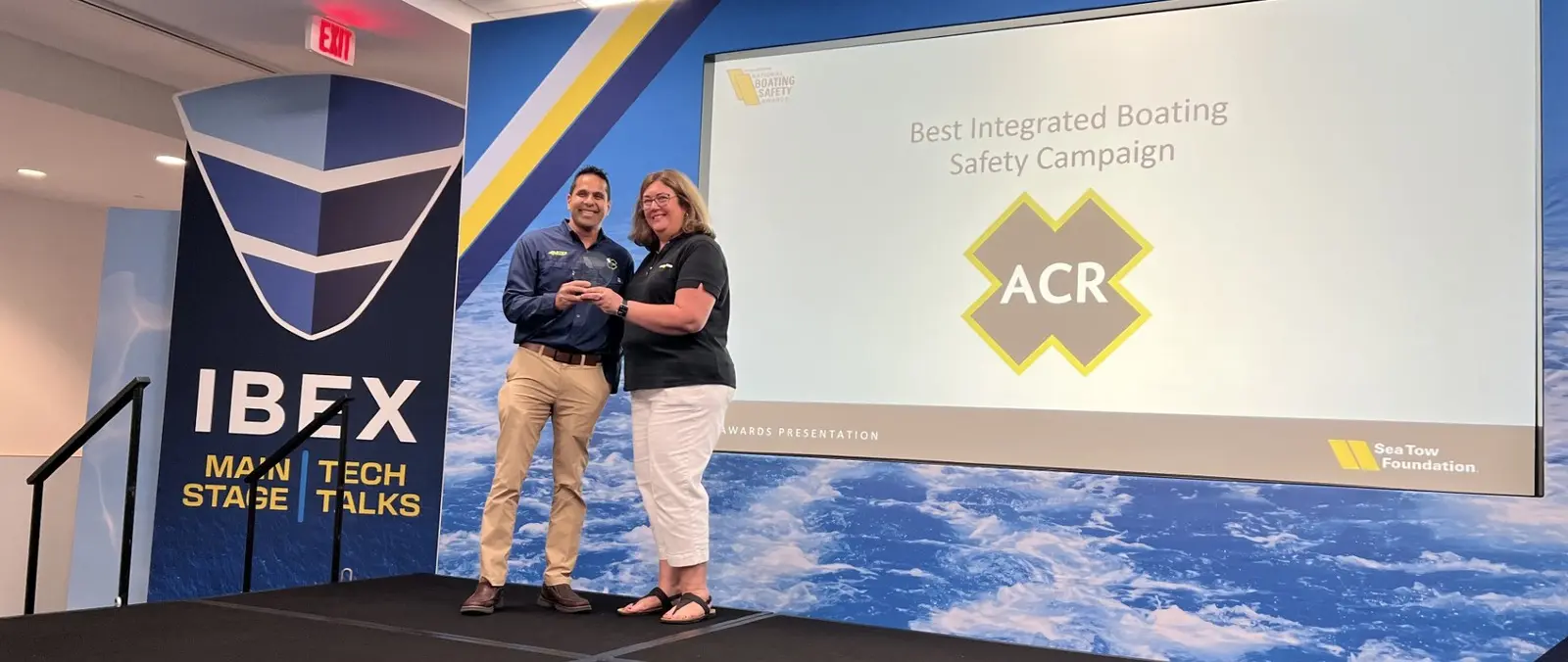
ACR Electronic-Flare Campaign Wins 2026 Boating Safety Award
By Stephen Yardley · Edited by Stephen Yardley
ACR Electronics receives the National Boating Safety Award for its electronic visual distress signal campaign, as international approval of e-flares remains under discussion.
ACR Electronics has received the National Boating Safety Award for Best Integrated Boating Safety Campaign for its international effort to promote electronic visual distress signalling devices. Announced in a manufacturer release on 12 October 2026, the prize was presented through the Sea Tow Foundation's awards programme at the International BoatBuilders' Exhibition and Conference in Tampa.
The campaign focuses on electronic alternatives to pyrotechnic flares, and its regulatory message carries an important qualification for superyachts: approval and carriage requirements differ by jurisdiction, vessel type and intended voyage. The award recognises an information campaign, not a new international rule permitting every large yacht to remove its existing flares.
The Sea Tow Foundation selected ACR's Electronic Flares Campaign in its integrated boating safety campaign category. According to the company, the initiative combined direct customer communications, trade publications, events and educational materials to explain newer visual distress equipment and the changing legal framework.
The National Boating Safety Awards distinguish communication and educational achievements from particular product certifications. A campaign can improve awareness and still leave technical and regulatory questions unresolved; captains and owners should therefore read the manufacturer's guidance alongside the requirements applying to their own vessel rather than substitute a marketing award for official permission.
Electronic visual distress signalling devices can provide a repeated light signal without consuming chemical pyrotechnics in a single use. Some models have lengthy operating periods and allow testing before a voyage, but brightness, visibility, battery condition and effective range vary by design and by conditions at sea.
Traditional pyrotechnic flares remain widely recognised in marine safety arrangements. They have handling and expiry considerations and may create hot debris or fire risk if used or stored incorrectly; conversely, an electronic signal depends on a maintained power source and a suitable device. Neither category removes the need for safe stowage, inspection and crew familiarity.
ACR says approved electronic flares may serve as legal substitutes for pyrotechnic devices for recreational boats in the United States and Canada, while some international carriage rules continue to require traditional equipment. Its campaign calls for harmonised standards that could provide a clearer route to acceptance by international maritime authorities.
This distinction is critical for commercially operated or internationally voyaging yachts. Rules that apply to a small recreational boat under one jurisdiction should not automatically be assumed to apply to a 45-metre commercial yacht travelling under another flag. Managers should confirm current standards with the flag administration and competent safety-survey advisers.
Yachts over 24 metres may operate on extended routes with specialised emergency equipment, trained crew and compliance obligations that depend on the vessel's registration. Their tenders, chase boats and support craft can operate under different safety-equipment arrangements from the mother yacht, sometimes with separate operating restrictions.
The attraction of a reusable electronic distress light does not eliminate the need for a well-planned rescue response. Crew training must establish where devices are kept, who activates them, when to use radio or satellite distress alerts and how to preserve backup communications if conditions or equipment failures complicate a situation. The assessment should also distinguish between equipment carried for signalling other vessels nearby and a device used to raise a longer-range distress alert. Light visibility, radio calling and satellite distress alerts solve related but different problems, so the crew's emergency drill should address all of them.
The manufacturer points to the U.S. Coast Guard's 2026 move to approved electronic visual distress equipment aboard its own vessels. It describes this as evidence that electronic distress systems have reached a level of operational acceptance in a major professional fleet, alongside continued efforts to encourage wider adoption.
A government fleet programme should not be portrayed as an international mandate applying to unrelated yacht operators. Equipment specifications, procurement decisions and operating procedures for Coast Guard vessels may differ materially from private and commercial yacht carriage requirements. The right starting point for owners remains the legal framework for the vessel's flag and use.
Captains evaluating an electronic distress device should check the product's recognised approval, operating instructions, battery life, waterproofing and the visibility claims supported by testing. Stowage location and easy access matter, especially on a tender where a person may need to retrieve safety equipment quickly while managing an urgent situation.
Routine checks should be recorded in a vessel's safety management and maintenance system. Replacement batteries, testing procedures and manufacturer updates may also form part of a reliable programme; a device being reusable does not mean it can be ignored for years or relied upon after a failed inspection.
ACR Electronics describes decades of work in marine safety and rescue products, including emergency signalling equipment. Its broader product portfolio reaches leisure and professional maritime users, providing a basis for engaging with regulators, boating associations and equipment distributors on standards and usage.
The company says it has worked with sister brand Ocean Signal and multiple industry partners to explain benefits and limitations of emerging electronic alternatives. Those connections can support wider discussion but should not be mistaken for a universal industry decision to abandon pyrotechnics or adopt one manufacturer's design.
The award confirms that the campaign was recognised by the Sea Tow Foundation at IBEX in October 2026. The future of international acceptance remains a separate regulatory matter, to be monitored through official standards bodies, flag administrations and equipment certification notices.
For superyacht owners and managers, the practical response is to audit existing emergency equipment, confirm the legal carriage list and consider whether approved supplementary electronic signals would improve preparedness. Any claim that electronic flares have become mandatory or universally interchangeable with pyrotechnics would go beyond the evidence presently available.
Explore
Go deeper into the yachts, companies, events and destinations directly connected to this article.
Continue reading
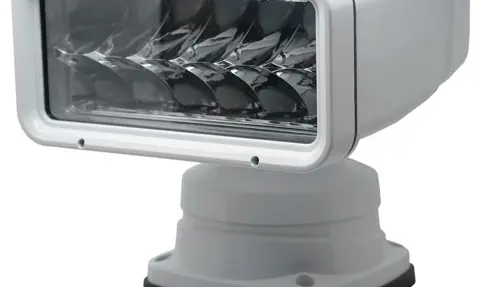
ACR Electronics has introduced the RCL-200 LED marine searchlight, delivering a 720,000-candela beam and up to 1,697 metres of stated beam distance.

Frigomar has introduced its CU210VFDT chiller with 210,000 BTU/h capacity, a titanium seawater exchanger and the same compact dimensions as its 180,000 BTU unit.
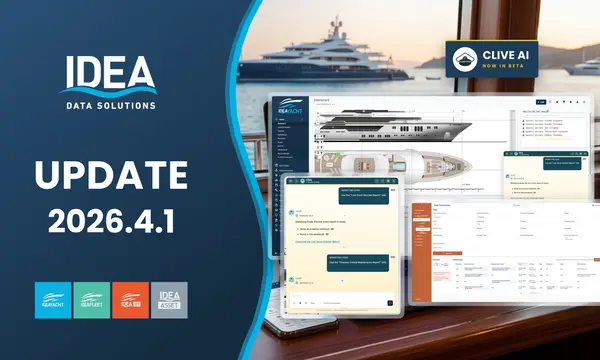
IDEA Data Solutions details release 2026.4.1 for yacht operations, including limited CLIVE AI testing and improvements to purchasing, maintenance and fleet views.

Videoworks explains AVIT Panel, an overlay system that connects existing onboard digital equipment to configurable views for captains and technical teams.
Superyacht Guide
Continue into the wider Superyacht Guide.
Business opportunities · Superyacht Guide
Companies serving the superyacht market can discuss clearly identified advertising, sponsorship and business-profile opportunities. Commercial activity remains separate from independent editorial coverage.