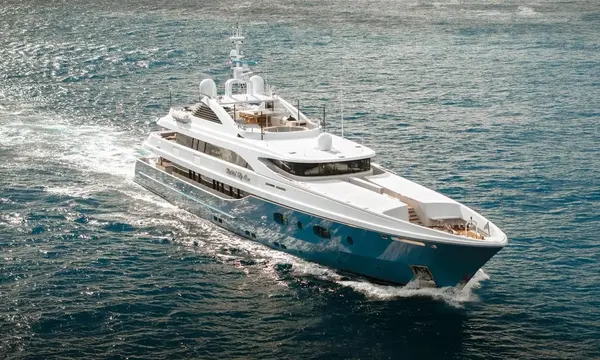
55m Turquoise HOLDIN’ MY OWN Returns to Charter After 2026 Refit
The 55.4-metre Turquoise yacht HOLDIN’ MY OWN is entering the Caribbean and Bahamas charter season following an extensive 2026 refit managed around her charter …
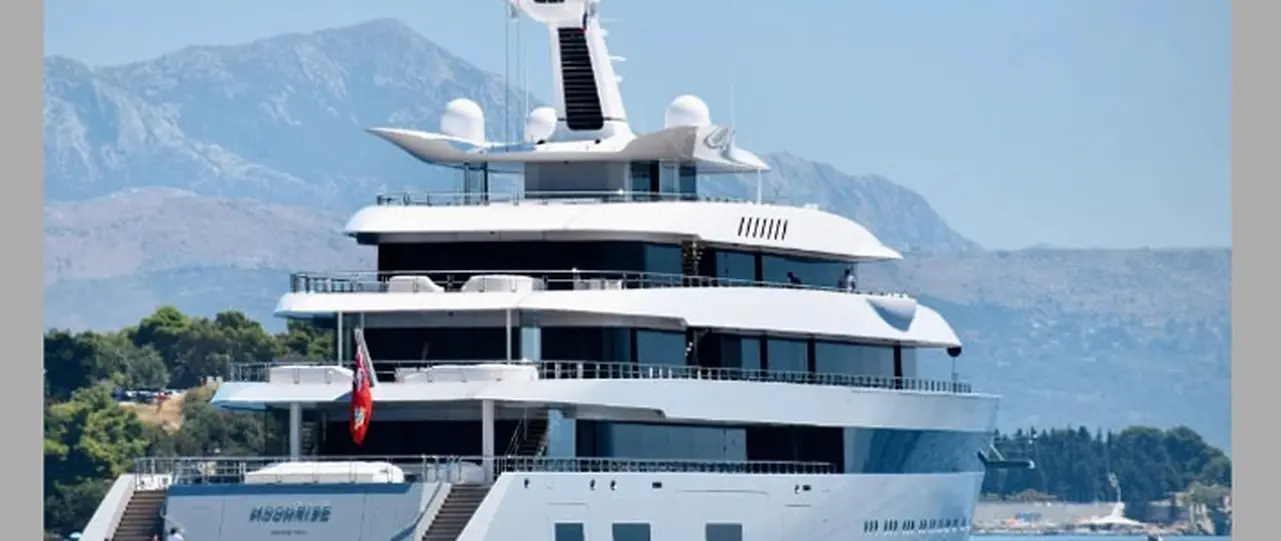
African Boating Conference 2026 will devote a panel to the practical work needed to make Southern Africa a regularly bookable international superyacht charter region.
The African Boating Conference has added a dedicated superyacht charter session to its 20–21 October programme in Cape Town. The panel will examine whether Southern Africa can move from occasional yacht visits to a consistently bookable charter region by addressing itineraries, licensing, marina capacity and the supporting service chain.
The session is titled The Next Great Charter Frontier and is focused on converting regional attractions into itineraries that international brokers can sell with confidence. That distinction matters because attractive coastlines alone do not create a workable charter destination for large commercial yachts.
A charter programme needs predictable ports of entry, marina or anchorage options, provisioning, technical support and transport connections. Brokers also need confidence that local rules can be explained to owners before contracts are signed, rather than discovered after a yacht has committed to the region.
The announced speakers include Lisa Airasca of Fraser Yacht Management, Captain Burger van der Walt of sailing yacht Perseus³ and charter broker Nadja Asmus of DMA Yachting. Their different roles bring management, command and brokerage perspectives to the same regional question.
That mix should help separate promotional ambition from operating reality because captains and managers deal directly with fuel, crew, clearances and maintenance. Brokers then have to turn those constraints into a guest itinerary that can be marketed, contracted and delivered without avoidable disruption.
The organisers say the panel will examine seven-to-fourteen-day itineraries alongside licensing, marina infrastructure and supply-chain readiness. These are the practical barriers that determine whether Southern Africa can attract a repeat flow of internationally operated superyachts instead of occasional expedition calls.
Cape Town already has established marine engineering and yacht-building capability, but a regional charter circuit requires coordination beyond one port. Customs rules, cruising permissions, passenger movements, bunkering and shore-side services all need to work across the wider itinerary rather than only at the starting marina.
The conference is positioning boating as an economic-development sector, with superyacht destination work linked to refit, repair, tourism and investment. A successful charter market could therefore produce business for marinas, shipyards, agents, suppliers and hospitality companies as well as direct charter revenue.
Superyacht Guide is recording the panel as an industry-development initiative, not as proof that the region has already solved every operational issue. The October discussion will be most useful if it identifies concrete regulatory and infrastructure steps that can be measured after the conference.
Official sources: boatingsouthafrica.co.za.
Continue reading
The 55.4-metre Turquoise yacht HOLDIN’ MY OWN is entering the Caribbean and Bahamas charter season following an extensive 2026 refit managed around her charter …
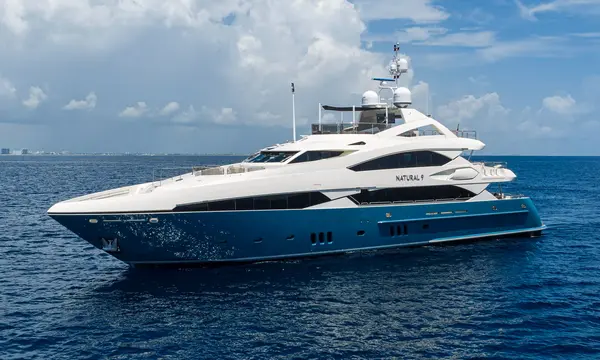
The 36.88-metre Sunseeker NATURAL 9 has entered the Bahamas charter market with weekly rates beginning at $120,000 plus expenses.
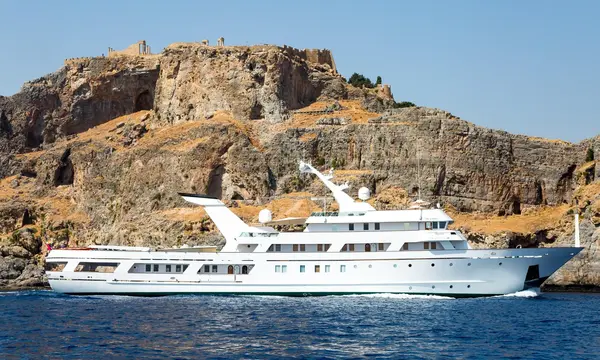
The 62-metre Codecasa ESMERALDA is currently listed by Fraser for charter from $230,000 per week, with an unusually large 11-cabin layout for 18 guests.
The 46.35-metre Rossinavi 2 LADIES is listed for Mediterranean charter from €230,000 per week, offering six cabins for 12 guests and an accessible glass …
Superyacht Guide
Continue into the wider Superyacht Guide.
Business opportunities · Superyacht Guide
Companies serving the superyacht market can discuss clearly identified advertising, sponsorship and business-profile opportunities. Commercial activity remains separate from independent editorial coverage.