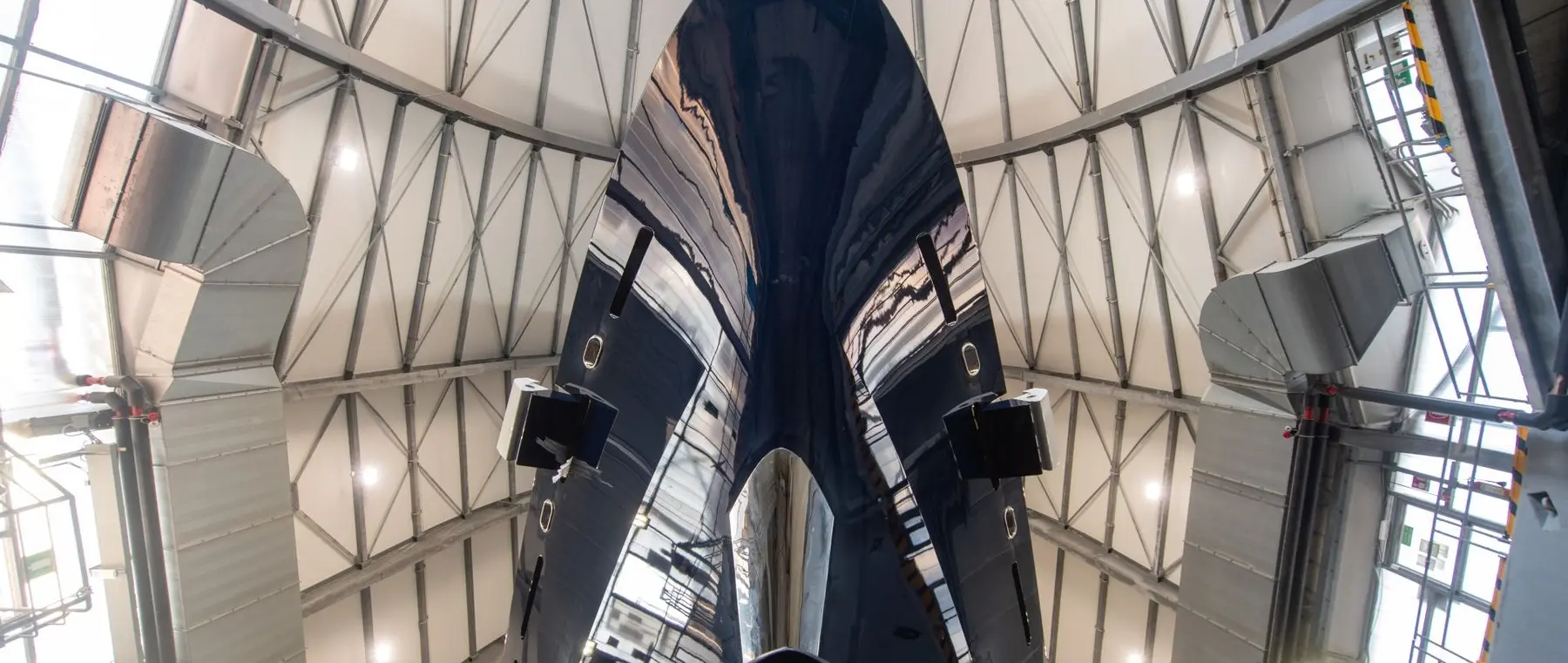
Amico Marine Expands Genoa Refit Network with New 16,000m² Nautical Hub
By Stephen Yardley · Edited by Stephen Yardley
Amico Marine's Gatti yard joins the 16,000-square-metre Genoa Nautical Hub, complementing its superyacht refit facilities and newly organised specialist supplier network.
A new Genoa Nautical Hub was inaugurated on 2 October 2026, combining the Gatti and Genoa Sea Service shipyards with North Sails at a waterfront site of approximately 16,000 square metres. The development is part of a wider movement to make Genoa more effective as a centre for yacht repair, maintenance and specialist maritime services. Amico Marine participates through Gatti, which it acquired in 2024, giving the refit group an additional connection to smaller and medium-sized vessels.
This is a functioning industrial-development story rather than another conceptual marina project. According to the opening details, the hub includes a shared industrial building, around 1,000 square metres of quay-related space, 356 metres of technical quays, a launch-and-haul-out dock and a 140-tonne travel lift. These figures describe specific assets, but do not establish that every large yacht can be lifted by this equipment. The intended role of each facility must be understood within the wider regional port network.
Amico's principal refit operation has grown around far larger yachts, with its Genoa facility covering roughly 60,000 square metres and offering twelve covered refit and repair areas. Gatti extends the group's ability to support vessels whose dimensions and maintenance needs do not require the same infrastructure as a large displacement superyacht. Together, different yards can direct projects toward appropriate working spaces rather than creating congestion around one high-capacity building.
For owners, the arrangement may be useful when a fleet includes both a superyacht and substantial tenders or support craft. A contractor that can schedule small-vessel jobs alongside complicated refit work may reduce logistical friction, although service agreements and project scopes remain separate. Moving work between facilities does not remove the need for clear custody records, insurance coverage, safe lifts and documented technical specifications.
A travel lift is a critical piece of yard infrastructure because removing a vessel from the water allows access to underwater coatings, propellers, stabilisers, thrusters and hull fittings. The rated lifting load, however, must be considered with the vessel's true displacement, slings, load distribution and centre of gravity. The 140-tonne equipment at the new hub is designed for vessels within its appropriate operating envelope, not for hauling a typical 60-metre superyacht.
Owners should provide reliable lifting drawings and confirm the position of underwater appendages before a haul-out. An inaccurate displacement figure or an improvised sling position can lead to costly damage. Larger yachts may be better served by floating docks, shiplifts or specialist facilities elsewhere in Amico's network, depending on dimensions and access restrictions. Matching a vessel to the correct infrastructure is more valuable than claiming the newest equipment is universally suitable.
In July 2026 Amico Marine announced a Technical Network designed to formalise cooperation with original equipment manufacturers and specialist service suppliers. Named participants include Akerboom, De Keizer, Jastram, Reintjes, Telemar, Voith Italy, Xeamos, Xquip and other marine engineering businesses. Amico intends this organisation to make expert technicians easier to schedule and give customers clearer coordination between the shipyard and the companies that understand specific equipment.
A typical refit may require several separate firms to work on propulsion, hydraulic systems, steering gear, electronics and accommodation. If each supplier operates without reliable access to the overall project plan, delays can cascade through the yard. A coordinated network can reduce duplicated site visits and help identify which tasks must precede paint or interior reinstatement. Its effectiveness should be judged through response time, documentation and actual completed project results.
A major superyacht refit may touch machinery, software, fire protection, structural elements, deck equipment, interior joinery and communications systems. Each task creates dependencies. For example, replacing a shaftline component may require a lift and detailed alignment, while upgrading an automation system can affect bridge displays and crew-training procedures. Owners should resist treating a refit as a simple list of independent supplier quotations.
The long life of a superyacht also means that components reach the end of support at different times. An owner may wish to modernise air conditioning and power-management software without replacing propulsion engines, or renew accommodation while retaining major hydraulic plant. A competent refit manager must identify the interfaces, explain practical options and record exactly which drawings and certifications have changed.
Amico traces its shipbuilding origins to Matteo Amico's work in Loano in 1799. The company's much more recent Genoa refit development began with a vision presented in 2015 and moved through substantial new construction from 2018. In April 2026 the group began using the Amico Marine identity to present refit and support as a connected service proposition rather than a single yard location.
This industrial history can help attract skilled local workers and specialist suppliers, but longevity alone does not establish the quality of any modern repair. Prospective owners should ask for projects comparable in length, tonnage and technical complexity to their own. The availability of covered space, controlled environments and equipment expertise may be decisive for certain paint systems or sensitive mechanical work, particularly when a vessel cannot afford an extended stay out of service.
At the 2026 Monaco Yacht Show, Amico Marine received a Blue Wake Award in the shipyard category for environmental measures, including the installation of a solar array with a stated capacity of one megawatt. That development relates primarily to yard infrastructure and should not be confused with an emissions rating for each yacht being repaired. Its significance is that energy consumption and industrial processes are being brought into the conversation about refit services.
For a genuine environmental comparison, a yacht owner should look at electricity sourcing, waste treatment, protective coating choices and the lifespan gained from maintaining equipment instead of replacing it. Yard solar generation can make a contribution, but the impact depends on when power is used, the rest of the electrical supply and the boundary of any calculations. Refit work can also avoid some embodied impact from constructing a completely new vessel, subject to the scope of the actual changes.
Demand for repair capacity is recurring because yachts require class surveys, maintenance and periodic upgrades regardless of the new-build cycle. A shortage of suitable berths, lifting facilities and experienced specialists can extend work schedules. Genoa's new hub and Amico's supplier network seek to address parts of that challenge by placing complementary services within a broader industrial ecosystem.
The opening is therefore relevant both to Genoa's maritime economy and to the practical availability of yard time for yacht owners. The important next indicators are completed jobs, transparent schedules, dependable access to OEM expertise and how effectively the facilities operate together. A new site creates opportunity, but client confidence comes from predictable execution, clear communication and the safe return of a properly documented yacht to service.
Explore
Go deeper into the yachts, companies, events and destinations directly connected to this article.
Continue reading
Amico & Co has received the 2026 Blue Wake Award in the Builder and Refit Shipyard category for measurable environmental improvements at its Genoa …
RMK restores the 38m, 1901-built steam yacht CANGARDA using historic methods and specialist engineering before her transfer to Istanbul's Rahmi Koç Museum.
Hot Lab's newly revealed interiors aboard the 77.4m expedition yacht AQUA LARES reconcile its Soviet icebreaker heritage with contemporary luxury exploration.
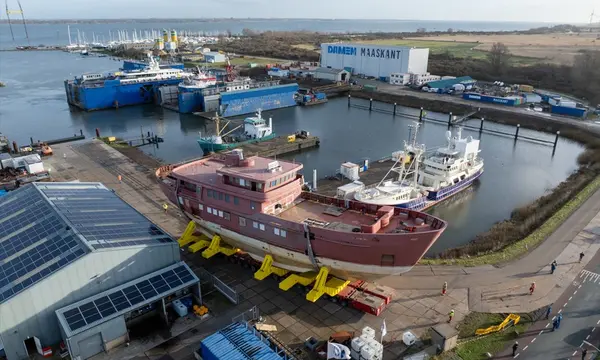
Damen Maaskant's 50m VEGA conversion in Stellendam aims to turn a 1964 Swedish icebreaking lighthouse-supply vessel into an ocean-capable explorer yacht.
Superyacht Guide
Continue into the wider Superyacht Guide.
Business opportunities · Superyacht Guide
Companies serving the superyacht market can discuss clearly identified advertising, sponsorship and business-profile opportunities. Commercial activity remains separate from independent editorial coverage.