Company
AnchorGuardian (by Swiss Ocean Tech Ltd.)
Explore the company profile and related Superyacht Guide coverage.
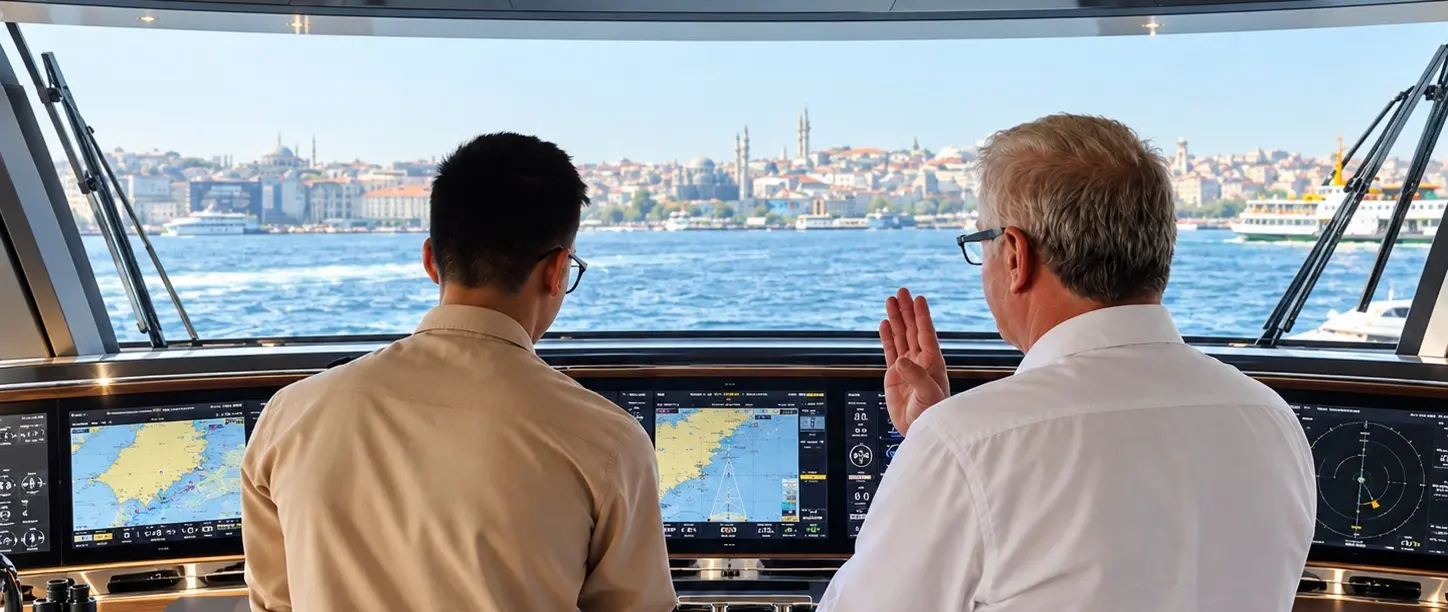
Image: AnchorGuardian — its contextual yacht helm photograph for captain–owner anchorage discussions
AnchorGuardian's latest guidance explores anchor-dragging concerns, company-reported survey results and why masters retain responsibility for safe yacht anchoring.
Swiss marine equipment supplier AnchorGuardian has published an account of an everyday tension between yacht owners and captains. Guests may prefer an anchorage close to a beach or with an attractive view, while the master must consider depths, holding ground, wind, nearby craft and manoeuvring space. Its latest guidance argues that better information can make this discussion more constructive.
That does not mean the owner's preferred position is automatically safe. The captain is responsible for choosing a location compatible with the vessel and prevailing conditions. Equipment may support that decision, but it should not be presented as a way of overriding professional judgment. The company's October account deliberately frames its technology as an aid to clear communication and seamanship.
Material circulated with the announcement refers to an AnchorGuardian survey of 355 superyacht captains. The company says 83 percent had encountered anchor dragging in a season, while 29 percent had experienced three or more incidents. These are self-reported supplier figures, not measurements independently validated across the worldwide superyacht fleet or evidence that every anchorage has the same risk.
The underlying recruitment method, response rate and exact definition of an incident are not established in the available public summary. That means the percentages cannot safely be extrapolated to all captains. Their value is to illustrate a practical concern reported by the company's respondents. Masters still need to judge risk from the particular yacht, seabed, chain arrangement, forecast and surrounding traffic.
A conventional GPS anchor alarm follows the yacht's position and typically warns when the vessel moves outside a configured area. Because a boat swings around its anchor with changes in wind and current, movement on the plotter does not necessarily mean dragging. Conversely, an anchor might begin to shift before the crew can clearly distinguish an emerging problem from the yacht's ordinary swing.
AnchorGuardian's published explanation proposes a different observation point: the actual anchor and its behaviour at the seabed. Its monitoring approach is intended to complement information from the yacht's navigation equipment rather than infer everything from vessel movement alone. That difference could matter for warning time, but it cannot alter the physical performance of an anchor or ensure that poor holding ground becomes suitable.
Even with direct anchor information, the choice of where to stop remains a seamanship decision. A skipper must judge safe water, anchoring restrictions, exposure to forecast changes and sufficient room to swing. The chosen length of chain and nearby traffic may create constraints that cannot be resolved by a new instrument. The company also acknowledges that responsibility remains with the captain.
On a busy summer evening the considerations can change quickly. Another vessel may approach, the wind could strengthen or a preferred beach position may become crowded. A reliable routine includes watching local conditions and keeping the crew ready to act. No monitoring product should be marketed or understood as a guarantee against anchor dragging, collision or grounding.
The supplier describes a captain explaining why an owner cannot always have the closest or most scenic anchorage. Rather than answer only with a refusal, a master can describe what would be lost in terms of safe swinging room, water depth or access to a lee. Suitable measurements may help illustrate those trade-offs, provided the information is current and interpreted correctly.
Owners often expect crew to deliver a seamless guest experience, and that can create pressure to move into tighter or less sheltered locations. The captain's authority must remain clear. A discussion based on accurate observations and explicit alternatives is more useful than an implied promise that technology can make any proposed bay safe. Good communication is part of competent yacht operation.
Managers considering direct anchor monitoring should establish how the sensor is installed, what equipment it requires and how warnings reach the bridge. A manufacturer can explain power, cabling and communication arrangements, but suitability depends on the vessel and its anchoring hardware. The crew also needs to understand maintenance requirements and how a failed connection will be indicated.
An alarm setting that suits one yacht or holding ground might be unhelpful elsewhere. Any new installation should be tested in controlled conditions and its operation incorporated into the bridge team's procedures. The public product description does not by itself demonstrate effectiveness against every type of dragging event. Owners should request supporting trial data and relevant installation guidance directly from the supplier.
A good watch starts before the chain runs out. The team should plan a safe approach, establish a suitable swinging area, review expected weather and confirm local anchoring rules. After setting the anchor, normal checks continue. Electronic position monitoring, bearings, depth information and direct observation may all provide useful indications about the yacht's situation.
During the night, staff should know who receives alarms, when the master must be called and how to prepare for re-anchoring if required. An alert that reaches nobody is of little value, and a crew unfamiliar with the system may waste time interpreting it. Training and repeatable routines turn additional data into effective action when conditions deteriorate.
AnchorGuardian is a supplier of technology intended to track anchor behaviour more directly, which is relevant context for assessing its survey and accompanying safety discussion. Its report advances a commercial argument for monitoring at seabed level and should be read alongside independent navigation and seamanship guidance. The survey does not establish a universal incident rate or certify that its equipment prevents a dragging event.
The accompanying illustration comes from the company itself and depicts two people discussing the situation from a yacht helm overlooking Istanbul. It is a contextual image for the captain-owner conversation, not a representation of a live anchor-data display. The central operational lesson is independent of any product: masters need suitable anchorage choices, appropriate watchkeeping and clear authority to act.
Explore
Go deeper into the yachts, companies, events and destinations directly connected to this article.
Company
Explore the company profile and related Superyacht Guide coverage.
Continue reading
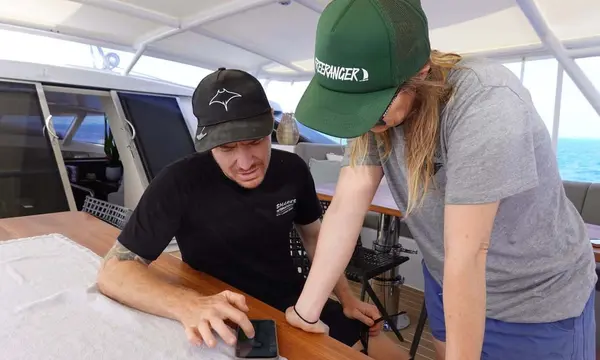
The 37m sailing yacht RADIANCE hosted the first joint manta-ray surveys by Fiji and New Zealand researchers in the northern Lau Group, documenting baseline …
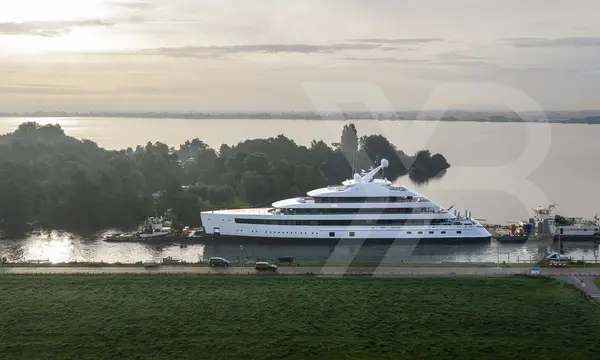
The 80-metre Feadship Love, formerly Project 716, has been spotted heading toward Rotterdam as the yacht prepares for sea trials.
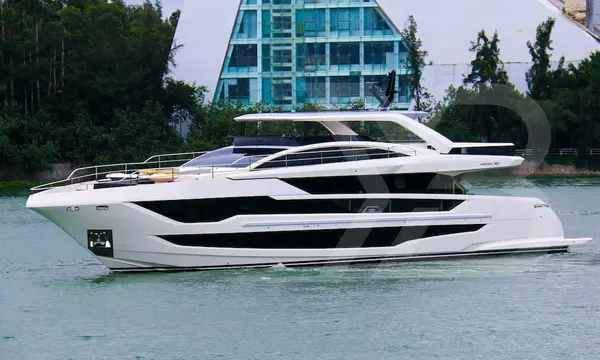
The first Pearl 100 Hybrid has completed initial sea trials ahead of its world debut at the 2026 Fort Lauderdale International Boat Show.
Northrop & Johnson has announced the sale of the 34-metre Sanlorenzo SD112 Christina, with broker Ed Dickinson representing the buyer.
Superyacht Guide
Continue into the wider Superyacht Guide.
Business opportunities · Superyacht Guide
Companies serving the superyacht market can discuss clearly identified advertising, sponsorship and business-profile opportunities. Commercial activity remains separate from independent editorial coverage.