Antonini Navi Lays Keel of First XPD95 Explorer Yacht in La Spezia
By Superyacht Guide Newsroom · Edited by Superyacht Guide Newsroom
Antonini Navi Lays Keel of First XPD95 Explorer Yacht in La Spezia — official SYG News batch01 20261125
Antonini Navi lays the keel for its first 30m steel-and-aluminium XPD95 explorer, with interiors by Hot Lab and technical design by NAMES.
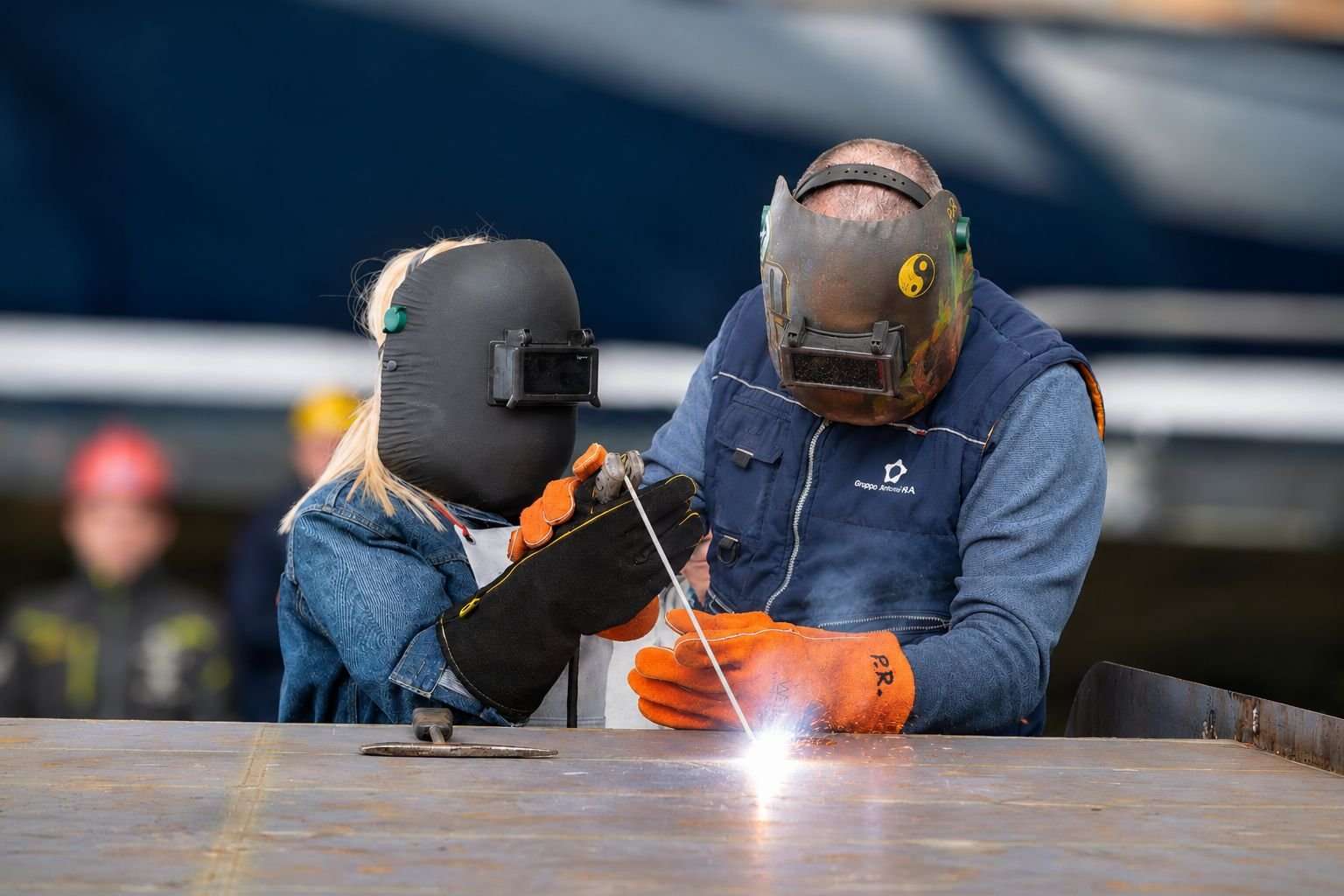
Antonini Navi has laid the keel for the first XPD95 explorer yacht at its Gulf of La Spezia shipyard, marking a new construction milestone for the fully custom project. The ceremony took place on Saturday 21 November 2026 and was reported in a builder-supplied announcement on 24 November. The vessel is described as a steel-and-aluminium yacht measuring approximately 30 metres, with a design brief built around practical seagoing capability and extensive private spaces.
This is a distinct development from the earlier sale of the first XPD95 and the appointment of an owner's representative. A signed contract establishes a project, but a keel-laying ceremony demonstrates progress within the production process. The ceremony does not mean a hull is complete, nor does it indicate that the yacht has been launched or entered service. Those distinctions matter for anyone tracking the status of individual yachts under construction.
Antonini describes the traditional shipbuilding ritual in which a coin is welded into the structure during the keel-laying ceremony. The gesture is intended to bring good fortune to the vessel and those who will travel aboard. It is a symbolic aspect of a very practical stage in a complex construction programme.
A keel ceremony can take different technical forms depending on the vessel and the builder's production methods. It does not necessarily identify the precise percentage of steelwork already assembled or the date when the hull will be complete. Shipyards often use the occasion to bring owners, designers and project teams together, celebrating progress that follows many months of engineering decisions. The reliable milestone in this announcement is the start of a new stage in the XPD95 build, not an independent certification of construction progress.
The first XPD95 is intended to reinterpret the expedition-yacht concept within a comparatively compact size. Its reported construction uses a steel hull and aluminium superstructure, materials commonly chosen for larger custom motor yachts. The builder emphasises a purposeful silhouette inspired by professional offshore vessels, rather than the visual language of a conventional open sports yacht.
The term expedition yacht can describe several kinds of vessels and does not provide a standardised guarantee of ocean-crossing range or ice capability. Antonini has not supplied a full package of fuel, endurance and performance figures in this keel-laying release. Readers should therefore avoid inferring particular capabilities from the project name. What is established is the owner's interest in a distinctive, navigationally focused design with highly personalised accommodation.
The project is being developed with a gross-tonnage target around the 200 GT threshold. Antonini explains that controlling the enclosed volume can help retain operating flexibility within a more straightforward regulatory framework. The exact rules that apply to the completed yacht will depend on its classification, flag, commercial or private status and final certified particulars.
Gross tonnage is a measurement of internal volume, not the vessel's weight in metric tonnes. A yacht may feel spacious in open deck areas without having the same enclosed tonnage as another vessel of equal length. The design challenge involves deciding which rooms and circulation spaces genuinely benefit from enclosed volume and where an outdoor terrace can serve the owner more effectively. The stated target is a design objective rather than an independently verified certificate for a finished vessel.
The exterior design is attributed to Sculli & Covini. Antonini describes the result as a modern interpretation of the character of working offshore craft, featuring a silhouette intended to stand apart within the market. An explorer yacht's appearance can communicate ideas of durability and range, but the quality of design should ultimately be judged by how form, function and systems work together.
Visual references to commercial vessels can be compelling because they suggest a practical relationship with the sea. However, an aggressive profile does not prove that a yacht has superior seaworthiness. Stability, structure, propulsion and operating procedures are determined through engineering and testing. The project will be better understood when further technical details and real photographs of its construction become available.
Hot Lab is responsible for developing the interiors, working with the owner to choose materials, finishes, colours and spatial arrangements. Antonini describes the intended atmosphere as understated, carefully considered and consistent with the yacht's character. The project team has explored different alternatives with the owner rather than applying a standard ready-made interior package.
A custom yacht's interior must function under conditions very different from a residence ashore. Materials face vibration, humidity and movement; furniture, glazing and storage require suitable security and detail. The best results emerge when the visual concept is developed alongside technical requirements. The builder's announcement conveys the design direction, but it does not identify the final selection of every material or show an independently inspected completed interior.
Engineering and naval architecture are attributed to NAMES, led by Francesco Rogantin. This role is distinct from styling and furnishing. It includes decisions about the vessel's underlying structure, systems and technical integration, ensuring that the owner's programme can be delivered within a functioning yacht.
The involvement of a named naval architecture team is particularly relevant to a full-custom project. Different arrangements for exterior terraces, enclosed saloons and tenders can change structural loads and the balance of the vessel. Engineering decisions need to be resolved during construction, not postponed until furniture is installed. The press announcement does not include independent results from model testing, sea trials or stability certification, because those are later milestones.
One of the XPD95's distinguishing elements is a roughly 35-square-metre multifunctional beach area. According to Antonini, the space will accommodate a tender of up to five metres during navigation, then become a substantial sea-level terrace when the tender is deployed. This arrangement is a deliberate response to the limited footprint available on a yacht near thirty metres.
A tender can occupy a considerable amount of valuable outdoor space when it is carried aboard. Designing the storage area to transform into a guest terrace may help the yacht use its length more efficiently. But the real experience will depend on how safely the tender is launched and recovered, how quickly the area can be changed, and whether boarding arrangements suit the owner. The supplied dimensions describe the project concept, not a measured finished space already in service.
Antonini also describes a private owner's deck of approximately 60 square metres on the upper level. It is conceived as an independent apartment-like area facing the water, rather than one cabin among several ordinary guest rooms. This can be appealing to owners who place a high value on privacy and direct access to outdoor space.
At this scale, allocating a large area to the owner is a significant design decision. It necessarily influences what space remains for other guests, crew circulation and the yacht's operational functions. The project brief appears to prioritise how the owner intends to live aboard rather than maximising the number of cabins. No exact crew or guest cabin count is established in the keel-laying announcement, so any claim that the yacht sleeps a particular number of people would be unsupported.
The builder emphasises a horizontal relationship between principal spaces, avoiding the feeling of many small layers stacked on top of one another. On a relatively compact explorer, this can make a difference to how freely guests move between interior rooms and outdoor terraces. A design with fewer but more connected areas may feel comfortable even when its gross tonnage is deliberately controlled.
Circulation is not simply an aesthetic concern. Crew members must still deliver service without disrupting guests, while owners and visitors need safe routes between decks. Escape arrangements, stairs and thresholds also require careful planning. The design intention should be judged by the finished yacht's usability, not by a drawing alone. Nevertheless, Antonini's description offers a clear insight into the priorities behind this particular custom commission.
The construction is being followed by a team from Camper & Nicholsons, with Daniela Duck named as owner's representative. Antonini identifies her as managing director of Camper & Nicholsons Italy, supported by engineer Andrea Chiavacci in a technical role. Their involvement provides a structured link between the owner and shipyard during design development and production.
An owner's representative helps maintain communication, document requirements and monitor progress, although exact contractual authority varies from project to project. This role can be especially valuable when a custom vessel involves several independent designers and specialist contractors. The owner's representative should not be confused with the shipyard's own project manager or the vessel's eventual captain. The team announced for XPD95 is part of the construction governance process.
The builder describes extended discussions with the owner before keel laying, covering both the vessel's external design and the way spaces will be used. This suggests that the project has advanced beyond a generic platform selected from a catalogue. Customisation is not merely the choice of fabric or timber; it can shape the yacht's circulation, tender arrangements and the relationship between enclosed and open spaces.
That participation also brings responsibilities. Design changes become more costly and complex once construction is under way, particularly when they affect structure or systems. A clear specification and disciplined approval process are essential. The release does not disclose the contract price or detailed build schedule, so it would be unwise to infer the financial consequences of any particular design decision.
The keel ceremony took place at Antonini Navi's shipyard in the Gulf of La Spezia, an established Italian maritime region. Building a full-custom yacht draws on a network of engineering, metalwork, outfitting and specialist marine suppliers. The keel stage marks progress towards a completed vessel, but many significant production tasks remain.
Future photographs of the hull, superstructure installation, machinery and interior work will help show how the design is being realised. Until then, the information available describes the intended yacht and a documented ceremony. In industry reporting, construction status should be kept precise because a yacht at keel laying has very different availability from one undergoing final acceptance or preparing for delivery.
The first XPD95 is significant because it turns a distinctive concept into an active custom build. The project combines a purposeful exterior, a substantial private owner's area and multifunctional tender storage within a compact steel-and-aluminium vessel. Those details differentiate it from many conventional yachts near the same overall length.
The report does not establish whether further XPD95 units have been sold or how any future version might differ. A first custom yacht can influence the reputation of a new design family, but one keel ceremony cannot determine its commercial success. The immediate evidence is the builder's progress on a specific commission and the involvement of named design and technical teams.
Launch, commissioning, sea trials and handover remain later stages. The current announcement does not provide confirmed dates for all of them, and an earlier projected delivery period should not be presented as a guaranteed outcome. For a yacht owner, the quality of the finished vessel will depend on engineering integration, build standards and the way the many custom decisions perform in real life.
Antonini Navi's keel laying is nonetheless a meaningful development for the Italian superyacht industry. It illustrates demand for an explorer that is personalised around the owner's lifestyle without expanding to the size of a much larger expedition yacht. The most useful future coverage will follow actual milestones as they occur and distinguish the progress of this individual yacht from the broader XPD design concept.
Primary source: Antonini Navi original Italian shipyard press release, 24 November 2026, carried by PressMare.
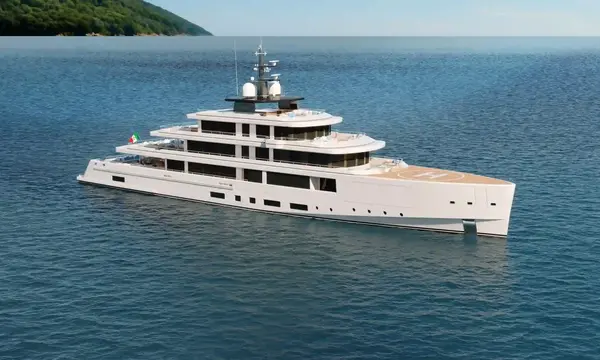
Official Antonini Navi XPD95 keel-laying press photograph distributed in the builder's release by PressMare. Copyright Antonini Navi and credited photographer. Official source.
Explore
Go deeper into the yachts, companies, events and destinations directly connected to this article.
Continue reading
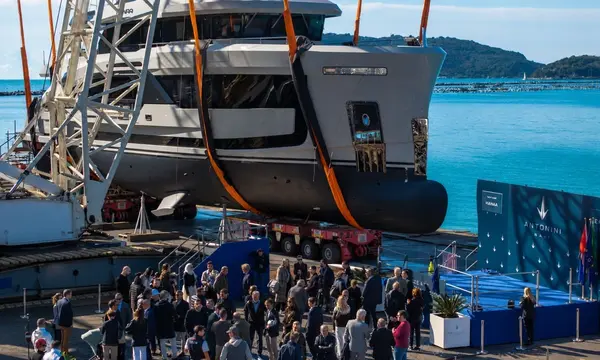
Antonini Navi has launched its 31.2-metre steel and aluminium EVO 31, with four decks and an unusual upper-deck owner’s suite ahead of planned spring …
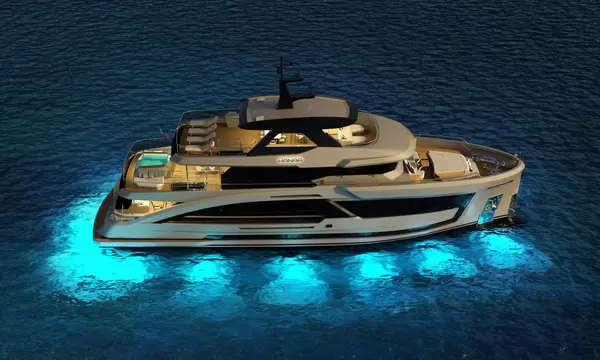
Antonini Navi's 31.2-metre Evo31 explorer, reportedly named Hanaa, has entered the water at La Spezia, with Hydro Tec naval architecture, Hot Lab interiors and …
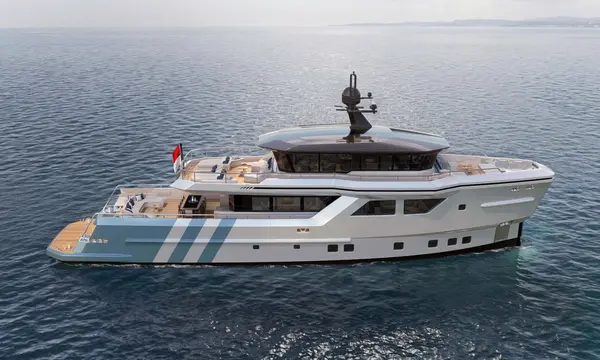
Antonini Navi has sold the first XPD95, a bespoke sub-200GT steel-and-aluminium motor yacht. Construction will begin in autumn 2026 ahead of a summer 2028 …
Antonini Navi will bring fresh construction updates to Cannes, with EVO 31 due to launch in October and Lounge 40's hull due to be …
Superyacht Guide
Continue into the wider Superyacht Guide.
Business opportunities · Superyacht Guide
Companies serving the superyacht market can discuss clearly identified advertising, sponsorship and business-profile opportunities. Commercial activity remains separate from independent editorial coverage.