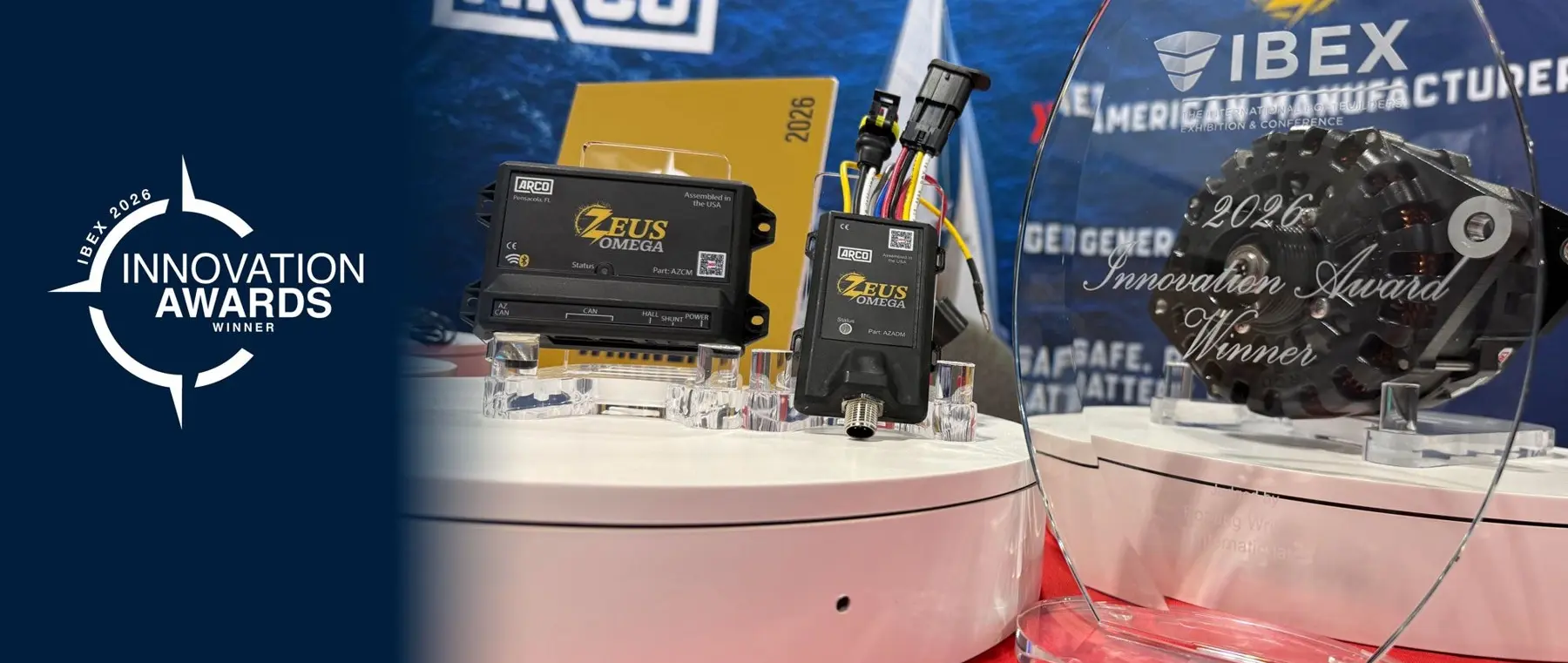
ARCO Zeus Omega Wins 2026 IBEX Award for Modular Alternator Control
By Stephen Yardley · Edited by Stephen Yardley
ARCO Marine's Zeus Omega wins the 2026 IBEX Innovation Award for Electrical Systems, recognising distributed modular alternator control for multi-voltage yacht installations.
ARCO Marine's Zeus Omega alternator control platform has won a 2026 IBEX Innovation Award in the Electrical Systems category, following the marine industry's annual technical exhibition in Tampa. The National Marine Manufacturers Association announced the winners on 6 October, with independent judging by members of Boating Writers International. ARCO's entry was recognised for separating alternator control into a central module and drive units that can be installed near individual alternators.
The distinction is relevant to large-yacht engineering because modern vessels need reliable low-voltage electrical systems even when the main hotel load is supported by generators or shore power. Alternator charging often remains important for engine-related batteries, auxiliary systems and redundancy. The award confirms the product's recognition by the exhibition judges, not independent proof that every possible superyacht installation will deliver a particular efficiency gain.
Zeus Omega uses an Alternator Control Module, called the AZCM, positioned close to the battery system, with separate Alternator Drive Modules mounted near the machines they regulate. The manufacturer says a single control module can supervise up to six alternators, with a dedicated communication cable connected to each drive module. The architecture is intended to replace some of the complicated multi-wire harnessing associated with more conventional installations.
Managing multiple charging sources is not merely a question of connecting enough alternators. The system has to consider battery voltage, charging profiles, thermal limits and interactions among devices that may be operating together. A multi-alternator arrangement needs proper engineering and commissioning to ensure that the desired load sharing does not exceed cable ratings, battery acceptance limits or the alternators' operating capacity.
ARCO specifies compatibility with 12-, 24-, 36- and 48-volt applications, with support for externally regulated alternators using either positive or negative field control. The system can connect with established marine electrical networks and management platforms including NMEA 2000, Victron DVCC, CZone, RV-C and compatible smart battery management arrangements. Wi-Fi and Bluetooth are also included for configuration and monitoring.
That broad compatibility could interest yards specifying mixed-voltage equipment or improving charging arrangements on existing vessels. But advertised communications support should not be interpreted as unrestricted interoperability. Installers must confirm firmware versions, network configuration, sensor requirements and the precise wiring scheme of each battery bank. A superyacht's main electrical installation may include additional rules and equipment well beyond the intended regulator.
The compact Alternator Drive Module is described as an epoxy-potted unit with an IP68 environmental rating, designed for mounting near the alternator where moisture and heat can be concerns. The central control module is designed for a more protected location near the battery and carries a different, lower protection rating. Splitting those functions allows the exposed component and the user interface to be positioned according to their operating environments.
An IP rating describes specific resistance conditions; it does not mean that a component is impervious to all forms of chemical exposure, overheating or mechanical damage. Technicians still need to provide correct mounting, strain relief and temperature control, and they should avoid locating electronics where they would obstruct maintenance. A resilient component is only one part of a safe charging installation.
The award judges highlighted Zeus Omega's use of Hall Effect current measurement and its capacity to integrate with contemporary onboard electrical systems. The product's specification also includes configurable charging logic, engine-related limits and diagnostic information accessible through its application. These features are intended to make it easier for service engineers to understand how a charging system is operating, especially when several alternators feed a common arrangement.
Measurement and fault detection can support maintenance, but no software can make an incorrectly engineered electrical system safe by itself. Appropriate circuit protection, conductor sizes, isolation provisions and battery manufacturer settings remain essential. Yacht engineers should also establish what alarms are available at the vessel's normal monitoring stations and how a failure would be handled while the boat is underway.
ARCO promotes the modular design as a way to reduce complicated installation work, with pre-terminated cables and fewer connections between the alternator and central control location. For a newbuild yard, labour savings can matter when identical assemblies are fitted across a production programme. In a refit, simpler routing may help where existing cable passages are crowded and the space around machinery is limited.
However, marketing descriptions of very short installation times should be interpreted as installation of the device under favourable conditions, not as the time necessary to survey, redesign, install and certify an entire yacht's charging network. A proper refit includes drawings, termination checks, battery testing and a documented sea trial. The ability to install a module quickly is valuable only when the completed system meets the vessel's technical requirements.
ARCO Marine is an American manufacturer established in 1960, producing rotating electrical components and charging equipment for marine use. Zeus Omega builds upon the company's earlier Zeus alternator regulator and is part of a wider Zeus High Energy range that includes higher-output alternators and associated components. The manufacturer says the latest architecture reflects feedback from installers, original-equipment builders and end users.
That history can give purchasers a useful starting point when assessing the system, but support needs to be verified for each operating region. Superyachts frequently travel far from the port where they were built or refitted, so service arrangements, spare-module availability and troubleshooting documentation matter. The possibility of replacing one module instead of an entire assembly may prove practical, provided replacement parts and qualified assistance can be obtained.
The 2026 award was one of twelve Innovation Awards selected from one hundred entries across several categories. Zeus Omega received recognition in Electrical Systems alongside another winner, Egis Mobile Electric's Modular Power Distribution Module. The jury's assessment gives the product visibility among yachtbuilders and technical buyers, but does not replace an owner's own evaluation of costs, serviceability and operational reliability.
For large yachts, the broader development is towards electrical systems that are easier to expand, measure and integrate. Zeus Omega offers one approach by separating charging control from the alternators themselves. Whether it is appropriate for a particular superyacht should be decided through the yacht's electrical engineer and class requirements, with clear attention to interfaces, battery chemistry and the limits of the proposed installation.
Explore
Go deeper into the yachts, companies, events and destinations directly connected to this article.
Continue reading

Propspeed's Foulfree Multi-Surface anti-fouling protection has won a 2026 IBEX Innovation Award in Boat Care and Maintenance, jointly with Spectrum Color.

Feadship’s AURORA artificial-intelligence research initiative has received Dutch maritime innovation funding for CFD-driven hull resistance prediction and optimisation.
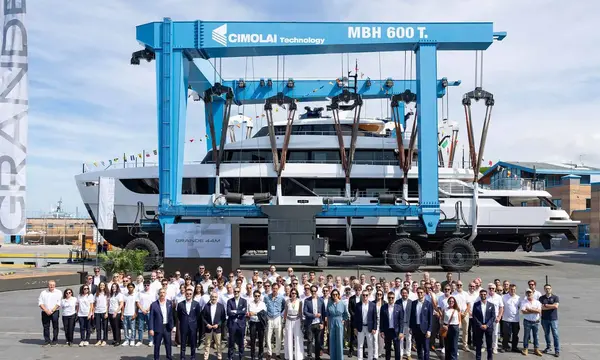
Azimut Grande 44M has won the Special Jury Award at the 2026 Innovation Route Awards during its Cannes Yachting Festival world debut.
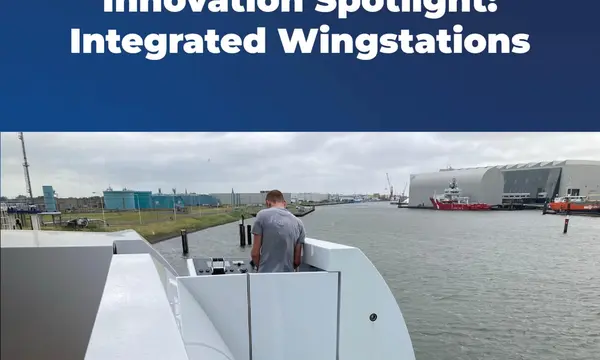
Akerboom Yacht Equipment examines integrated wingstations, machinery reliability and early equipment design choices in its fifth superyacht engineering report.
Superyacht Guide
Continue into the wider Superyacht Guide.
Business opportunities · Superyacht Guide
Companies serving the superyacht market can discuss clearly identified advertising, sponsorship and business-profile opportunities. Commercial activity remains separate from independent editorial coverage.