



Azimut Expands Gulf and Maldives Network with Six New Offices
By Superyacht Guide Newsroom · Edited by Superyacht Guide Newsroom
Azimut Expands Gulf and Maldives Network with Six New Offices | Original cleared SYG 20261125 azimut
Azimut and Elite Yachts add five Gulf sales and support offices and a Maldives location, strengthening owner access from Dubai Harbour to Himmafushi.
Azimut is strengthening its commercial and customer-support network in the Middle East and Indian Ocean with five additional offices in Gulf markets and a further office in the Maldives. The development was described in an industry report on 25 November 2026, coinciding with the Dubai International Boat Show. Azimut Yachts Gulf, operated with Elite Yachts, is presented as the regional network serving buyers and existing owners. The practical significance lies in a denser set of local contacts in areas where international yacht use involves multiple jurisdictions and service demands. Announcing an office does not by itself establish a fully equipped repair yard or around-the-clock technical support at that location, so individual services should be confirmed with the company.
The reported expansion adds five Gulf offices, bringing Azimut Yachts Gulf's regional presence to seven locations. The figure refers to the company's described network in the area, not six wholly new shipyards or seven marinas under Azimut ownership. The distinction matters to owners assessing how a brand supports yachts after delivery. A sales office, brokerage desk and technical service centre may offer different capabilities, and each should be evaluated against the owner's intended itinerary. For the manufacturer, a larger network can improve accessibility and local market knowledge. For customers, the value will depend on clear points of contact and what happens when a genuine operational problem arises.
Two of the new locations are in Dubai. An office at Al Seef Marina is designated as Elite Yachts' regional headquarters, with responsibility for coordinating area markets. A separate location at Dubai Harbour Yacht Club is described as providing commercial, brokerage and charter-related services. These are different functions within the same city, and owners should not assume that an enquiry directed to one office can automatically be completed by the other. A yacht preparing for a technical appointment may need a specialist service provider rather than a sales representative. Nevertheless, a visible local organisation can make it easier for captains and owners to identify the correct team and resolve questions promptly.
The decision to establish a presence at Dubai Harbour places Azimut's regional network near an internationally recognised yachting destination. Such a location can be useful for meeting clients and discussing existing yacht programmes, but it does not imply priority berthing, tender access or a dedicated maintenance facility unless separately arranged. Marina operations, brokerage activities and vessel services each have their own procedures. Owners visiting Dubai should confirm berth availability through the relevant operator and understand any local restrictions. A dealer office may be one source of information, but actual vessel arrangements require their own confirmations and documentation. Clear division of responsibilities is essential in a busy marine hub.
The network's new Kuwait location is within the Al Ameeri Group offices in the Al Rai commercial district. That setting suggests an emphasis on accessible local representation, although the source does not provide a full inventory of facilities or technical equipment. Owners based in Kuwait may benefit from a direct commercial point of contact instead of relying exclusively on travel to another Gulf city. The operational value will be revealed through service procedures, response times and access to parts or authorised specialists. A commercial address should not be described as a haul-out yard or waterside workshop without supporting evidence. The development is best reported as an expansion of local dealer representation.
One additional office is at Jeddah Yacht Club in Saudi Arabia. The Red Sea is an important part of the region's developing cruising and marine-infrastructure picture, and a manufacturer presence in Jeddah may support relationships with existing and prospective owners. However, the office does not itself remove the need for a captain to check entry rules, marine services, clearances and insurance conditions. International cruising in the Red Sea requires navigation and security planning specific to the actual route and conditions at the time. A luxury-brand announcement should never be treated as evidence that every passage is safe or that all ports are open to a given vessel.
Azimut's new Doha location is in Msheireb Downtown, the modern mixed-use district in the centre of Qatar's capital. The office is not described as a waterfront repair base, which underscores the difference between commercial reach and technical capacity. A buyer might use the location to discuss specifications, ownership and support arrangements, while a visiting captain may need operational assistance elsewhere. The presence adds another point of contact within a region where some owners use yachts across multiple national jurisdictions. The practical question remains whether the owner has a clear and dependable process for arranging services, regardless of where the initial conversation takes place.
The additional location in the Maldives is at Himmafushi in North Malé Atoll. According to the published announcement, Azimut Yachts Maldives, again operated with Elite Yachts, will support sales and after-sales activity for the growing local fleet. The company also points to the ability to reach resorts in the area directly by sea. Such proximity can be convenient, but a marina or island office does not guarantee every technical service will be available immediately. Vessel size, draft, weather and local handling capabilities can affect what is practical. Owners should obtain a detailed breakdown of local support and plan contingencies before committing to extended cruising away from major service hubs.
Shipyards often announce regional expansion in terms of offices and commercial growth. For owners, the more durable question is how a network performs once a yacht needs maintenance, a spare part or warranty assistance. Timely diagnosis, access to specialists and the coordination of authorised repairs are critical. This is particularly true for yachts moving between the Gulf and the Indian Ocean, where the nearest manufacturer facility may be far from the vessel's location. The 25 November report describes improved sales and after-sales access but does not specify guaranteed response times or service-level agreements. Buyers should obtain such commitments in writing if they are important to the ownership programme.
Azimut's Chief Commercial Officer for the EMEA and Asia-Pacific markets, Enrico Chiaussa, is reported as referring to 30% year-on-year growth in the Middle East. That figure is an attributed company statement, not an independently audited market-wide growth rate. The source does not provide a complete definition of the metric, its starting base or whether it refers to turnover, orders or another commercial measure. It would be misleading to translate the percentage into a specific number of yachts without those details. What is clear is that Azimut presents the expanded dealer network as a response to a region it considers commercially important. Later financial or operational disclosures would be needed to examine the longer-term results.
The network operates under Azimut Yachts Gulf and Azimut Yachts Maldives branding powered by Elite Yachts. This indicates a dealership and regional-support relationship rather than six offices necessarily managed in the same way as Azimut's Italian production facilities. Owners should establish the contracting entity for any sale or service, as well as the applicable warranties and responsibilities. Regional representatives may act as important intermediaries, but a buyer should understand which commitments come from the shipbuilder, which from a dealer and which from a third-party supplier. Clear documentation can prevent misunderstandings when a vessel moves between jurisdictions or when the original sales contact changes.
The Dubai Harbour office is described as offering sales, brokerage and charter-related assistance. These categories serve overlapping but distinct needs. New-yacht sales require specification and construction coordination. Brokerage involves existing yachts and their transactional documentation. Charter activity depends on vessel certification, commercial arrangements and relevant national rules. A dealer that supports several functions may be convenient, but owners must verify which entity is responsible for the transaction and whether the vessel concerned is legally qualified for its intended use. Announcing a charter-related desk does not mean every Azimut yacht can be chartered in the Gulf or Maldives without further requirements.
Azimut timed its announcement to the Dubai International Boat Show, held at Dubai Harbour from 25 to 29 November 2026. The brand is reported as presenting several models through Elite Yachts, including Fly 53, Fly 62, Fly 82 and Seadeck 6. Those model names illustrate the commercial context, but a showroom or boat-show display should not be confused with an order book for large superyachts. The key news is the wider regional office network. Owners exploring larger yachts can use the event to initiate discussions about specifications and support arrangements, while recognising that individual vessels may require different builder, dealer or service structures.
The Gulf countries and Maldives do not operate under one uniform maritime regulatory system. Customs, immigration, commercial permissions, taxes, insurance and safety requirements can differ substantially. A regional company may provide local knowledge, but neither a dealer's presence nor a manufacturer's international reputation replaces the need for appropriate legal and operational advice. Owners should confirm national entry requirements with the proper authorities and marine professionals before voyages. The enlarged Azimut network may make it easier to identify local commercial contacts, but it does not change the underlying obligations faced by vessel operators.
A customer cruising between Gulf destinations and the Maldives may value access to the same manufacturer's network in several markets. It can support continuity in discussing maintenance needs, future purchases and upgrades. Yet continuity should not be assumed automatically: offices may have different resources, suppliers and service coverage. Captains should keep vessel records and equipment documentation organised so that local representatives can understand a technical problem promptly. Owners may also find it useful to confirm who coordinates a case when it spans two countries. The company's announcement suggests broader reach, while the quality of cross-border coordination will require actual experience to assess.
The announcement does not identify each office's staffing level, workshop size, spare-parts inventory or long-term property arrangements. It also does not provide a quantified forecast for new superyacht orders. A factual article should avoid turning a commercial network development into a claim of new construction capacity. Those are different parts of the marine industry. The stated opening locations and roles are sufficient to report a notable expansion; a later investigation could examine how the offices serve active owners and whether technical infrastructure follows the growth in representation. Market-development claims need more evidence than an opening announcement alone.
Azimut's Gulf and Maldives expansion is a concrete example of a manufacturer investing in regional proximity to clients. Five new Gulf offices, an additional Maldives location and a Dubai coordination hub create a more extensive network at a time when the company reports stronger Middle Eastern demand. For superyacht owners and other yacht buyers, the key practical benefit may be easier access to people who can explain products and coordinate support. The news should be weighed on that basis, with service capability and regulatory details confirmed for each vessel and destination. The next stage will show whether a larger commercial footprint translates into measurably better ownership support.
Primary source: Press Mare first-party sourced 25 November 2026 Azimut regional expansion report and executive statement.
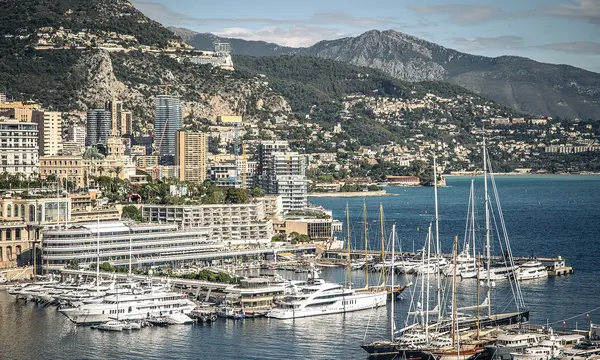
Licensed general photograph taken from Dubai Harbour, one of the announced office areas; not an image of the new Azimut office or its staff. Photographer: Ahsan Younas; CC BY-SA 4.0 via Wikimedia Commons. Official source.
Explore
Go deeper into the yachts, companies, events and destinations directly connected to this article.
Continue reading
The Nautical Group has become Azimut Yachts’ official New Zealand dealer and service centre, adding local sales and ownership support across the builder’s range.

Azimut's Avigliana headquarters reopened in 2025 with a redesigned main building and a multifunctional pavilion by AMDL CIRCLE and Michele De Lucchi, within a …

Azimut offers the 2024-built 29.7m Magellano 30M ALMA III for €9.4m at Varazze, Italy, with five guest cabins, twin MAN V12s and Dual Mode …
Esprit Yachting offers the 25m Azimut S8 GAIA&NINA for €2.75m; this 2021 sports yacht has triple Volvo Penta IPS drives and four guest cabins …
Superyacht Guide
Continue into the wider Superyacht Guide.
Business opportunities · Superyacht Guide
Companies serving the superyacht market can discuss clearly identified advertising, sponsorship and business-profile opportunities. Commercial activity remains separate from independent editorial coverage.