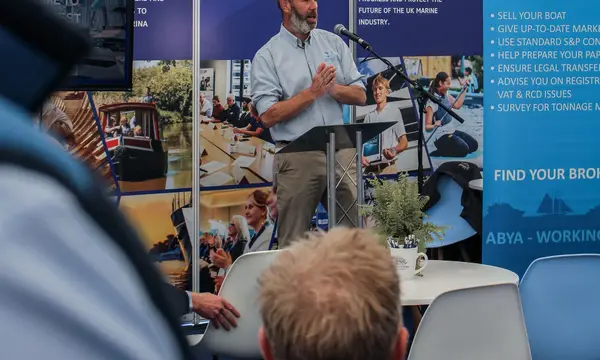
British Marine Southampton International Boat Show 2022 archive marine-industry photograph

News

British Marine Cuts Experienced Broker Certification Fee to £125

Nov. 12, 2026 Brokers

British Marine Southampton International Boat Show 2022 archive marine-industry photograph

British Marine has announced a 50% discount on its experienced-broker CPBB assessment through 31 December, bringing the advertised fast-track price to £125.

Industry and brokerage news, 12 November 2026. British Marine published this specific certification offer on 11 November. It concerns professional boat brokers generally, including those advising on superyacht purchases; CPBB is not presented as a flag-state licence or a mandatory yacht-sale certification.

A limited-time route to a recognised brokerage credential British Marine has announced a 50% reduction in the advertised price of the Certified Professional Boat Broker Experienced Broker Fast-Track Pathway. The association says eligible brokers can seek assessment for £125 instead of the usual £250 until 31 December 2026. The announcement was issued on 11 November and is directed at professionals who already have substantial brokerage experience but have not necessarily completed a conventional training route. For the superyacht sector, the immediate news is less the amount of the discount than the emphasis on assessing existing professional knowledge. Large-yacht transactions bring together technical, financial, commercial and sometimes international regulatory questions; a broker is frequently the first person asked to interpret the offer and guide the parties through a sale. A credential can help describe a practitioner's commitment to professional development. It should not, however, be treated as an independent guarantee of an individual yacht's condition or an automatic entitlement to practise in every jurisdiction.

Who stands behind the CPBB pathway The British Marine release credits the Boat Retailers and Brokers Association, or BRBA, and the Association of Brokers and Yacht Agents, ABYA, with developing the pathway. It is an industry-led programme designed to provide a benchmark for knowledge, competence and professionalism in boat brokerage. That institutional context matters because a qualification promoted by experienced trade organisations has a different provenance from a self-awarded marketing label. Nevertheless, readers should distinguish an industry credential from official licensing, professional indemnity insurance, regulatory supervision or a maritime authority's approval of a particular transaction. None is automatically established by the other. Brokers considering the course should confirm the issuing body, renewal and continuing professional development requirements, eligibility criteria and the current wording they may legitimately use when describing their certification. Those details form part of the professional value of a qualification over time. A prospective yacht buyer can ask about credentials, but should still appoint the independent advisers appropriate to the transaction.

What the short assessment actually involves According to British Marine, the experienced-broker fast-track assessment contains approximately 20 questions covering practical aspects of brokerage. The areas listed include vessel listings and markings, relevant law and regulation, insurance, VAT and probate, as well as customer due diligence and compliance. These are subjects that often arise before the parties have even agreed the principal terms of a purchase. A yacht may be held by a company, registered under a flag different from the owner's residence and located in a third country at the time of sale. Each fact can affect the work required to close the transaction, although it does not determine the outcome on its own. A short assessment cannot possibly reproduce the full factual complexity of every international superyacht sale. Its role is more modest: to test core professional understanding and provide a structured route for experienced candidates. The association says certification follows successful completion of all applicable requirements, not merely payment of the promotional price.

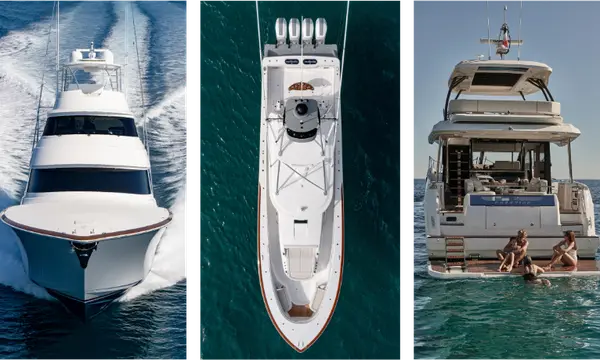
Professional standards are relevant to the 24-metre-plus market Superyacht brokerage operates at a different scale from an ordinary small-craft sale, yet many of the underlying professional duties are shared. Correctly identifying a vessel, establishing what is included in a listing, understanding the sale agreement and taking appropriate care with client information are baseline tasks regardless of size. Larger vessels can add more extensive technical surveys, crew-related arrangements, class and flag documentation, charter obligations and international tax considerations. A general professional qualification is therefore best understood as one layer of the knowledge required, not as a substitute for specialists. Buyers and sellers should still confirm the broker's experience with vessels of the relevant type, length, age, location and intended operating regime. An intermediary who knows the process for a leisure boat may not automatically have dealt with the transfer of a commercially operated 70-metre yacht. Sound brokerage involves recognising when outside expertise is necessary.

VAT and ownership deserve particular care British Marine specifically includes VAT and probate among the fast-track assessment topics. Both are important, but a qualification question cannot resolve an individual sale's tax treatment. Owners can hold yachts through personal or corporate structures; the vessel may have a particular VAT status and history, and its proposed use may differ after the purchase. The correct treatment depends on facts, documentation and applicable law, which should be reviewed by appropriately qualified advisers. A competent broker should be able to identify the need for that review and avoid giving absolute assurances beyond their expertise. Probate raises a different category of issue concerning the legal authority to sell an asset following a death and the documents required to demonstrate it. A prospective purchaser needs confidence that the seller has the right to transfer title, not merely that a person is willing to sign a brokerage form. Assessing knowledge of these subjects can encourage good habits, although it cannot replace due diligence on the particular yacht.

Client identification is part of professional conduct The association's reference to KYC and related compliance subjects is a reminder that buying a high-value yacht is not exclusively a negotiation over specifications and price. Customer identification, beneficial ownership and relevant financial checks may be necessary depending on the parties, intermediaries and jurisdictions involved. A broker can help manage the process, but the obligations that apply to a specific firm must be established from the governing law and the transaction's actual circumstances. No generic course can replace that analysis. For clients, clear communication about what documentation is required, why it is requested and how information is handled can build confidence. A transaction is less likely to be delayed by an avoidable administrative issue when participants know early which identities, authorisations and payment arrangements need verification. Equally, compliance should not be used as a rhetorical excuse for unnecessary disclosure of sensitive personal information. Proper data handling belongs alongside adequate customer checks.

Why a discounted pathway is not a shortcut around competence The phrase fast track might suggest a watered-down course, but the association describes it as a route for established brokers to demonstrate knowledge already acquired through practice. The distinction is meaningful. Experienced professionals may be capable of meeting a standard without repeating introductory training, while an inexperienced entrant may need a more comprehensive learning programme. The short assessment is not presented as an open invitation for anyone to acquire a title simply by paying £125. British Marine says eligibility and successful assessment remain conditions of the offer. Prospective applicants should check the formal criteria directly rather than assume a number of years in an unrelated commercial role is sufficient. For brokerage firms, supporting colleagues through an appropriately assessed development route can be a worthwhile management decision. A badge on a business card, however, has limited value if the firm does not also maintain sound file records, client communications, insurance arrangements and clear escalation procedures.

Continuing education matters after the certificate The release discusses the place of ongoing development and quotes industry participants on the importance of maintaining standards. That is a significant element because the context in which yacht brokers operate does not remain static. Electronic documentation, international payments, market practices and regulatory requirements can change. Even experienced advisers benefit from reviewing new guidance and learning from recent cases, particularly when yachts are bought or sold across borders. A credential earned in 2026 should not be treated as a permanent demonstration of current expertise without considering continuing professional development and the professional's day-to-day activities. Brokerage businesses can use training discussions to identify internal knowledge gaps, but they also need operational processes that prevent an individual mistake from becoming a transaction-wide problem. Two-person review for critical documents, a clearly assigned deal lead and written checklists may do more for a client than a broad, unsupported marketing claim about excellence.

What yacht owners should ask a broker A client choosing an intermediary may reasonably ask about association memberships, professional certification, relevant transaction history and any conflicts of interest. The response should be precise. A broker might hold CPBB credentials yet have relatively little experience in the client's chosen segment; another may have decades of large-yacht transactions but a different set of formal accreditations. Neither fact alone settles which adviser is appropriate. Owners should examine how the broker verifies information in listings, communicates the status of negotiations, handles confidential material and coordinates with surveyors and lawyers. The broker should explain which fees are payable, by whom and when, and what the appointment agreement permits. If a vessel is marketed internationally, parties should understand where it can be viewed and what restrictions affect delivery or transfer. A professional credential can be part of this comparison, not the only item considered.

Offer dates, conditions and the wider significance The association says the promotional price of £125 is available until 31 December 2026, subject to eligibility and successful assessment. Any professional intending to apply should confirm the latest conditions with British Marine rather than rely on a news report for registration or payment. The announcement contains no evidence that all existing yacht brokers must complete this programme, and it does not say that CPBB certification replaces legal or technical expert advice during a sale. Its value is as an industry-led recognition of the knowledge brokers need to serve clients responsibly. In superyacht transactions, where errors can have substantial financial and operational consequences, better documented professional standards are a constructive development. Whether a specific candidate meets them is an individual question that the assessment process is designed to address. The commercial discount may be temporary, but the broader conversation about brokerage competence is likely to remain relevant beyond December.

Primary source: British Marine, 11 November 2026, CPBB Experienced Broker Fast-Track Pathway.

Photo licence and source

British Marine / official Southampton International Boat Show 2022 archive photograph supplied with November 2026 CPBB trade announcement. Archival scene, not a certification class.

Continue reading

All news

Superyacht Guide

Explore the superyacht world

Continue into the wider Superyacht Guide.

Business opportunities · Superyacht Guide

Reach the superyacht industry audience

Companies serving the superyacht market can discuss clearly identified advertising, sponsorship and business-profile opportunities. Commercial activity remains separate from independent editorial coverage.