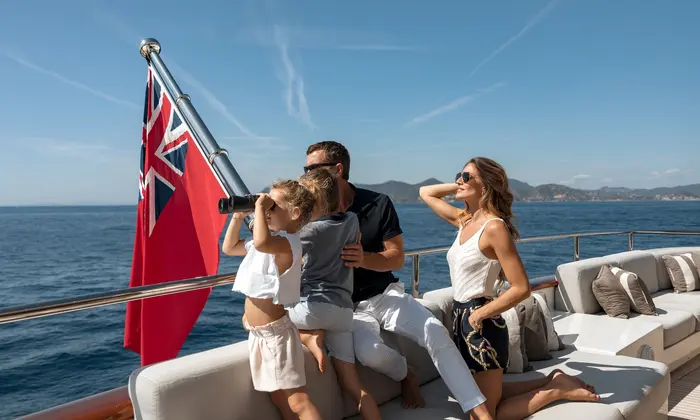
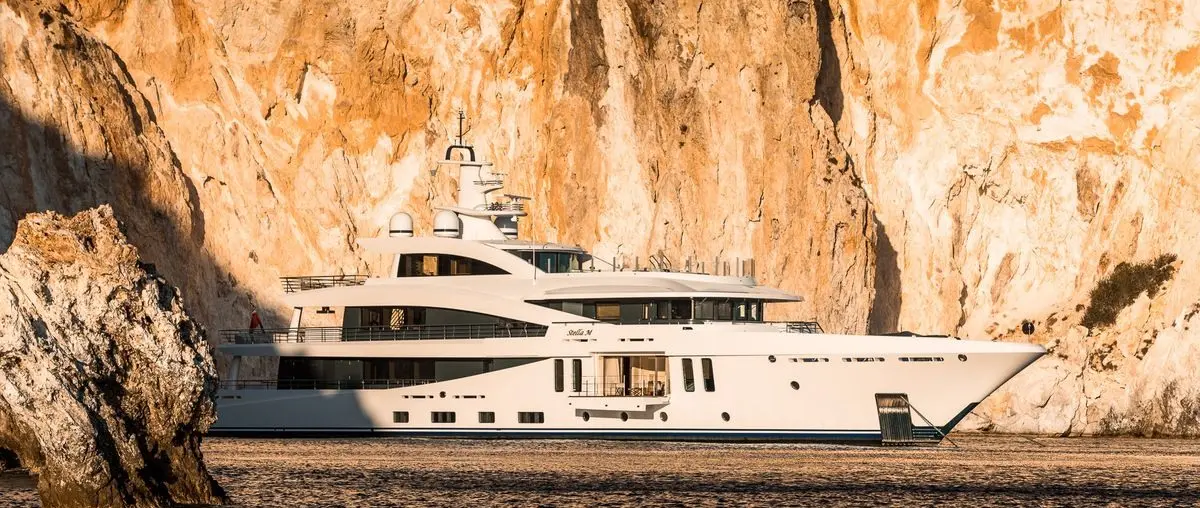
Burgess Details 43 Amels and Damen Sales in New Shipyard Partnership Review — source image
Burgess reports 43 Amels and Damen yacht sales, 11 new-build deliveries and a three-decade working relationship with the Dutch superyacht group.
Burgess has released a review of its relationship with Dutch yacht builder Amels and the wider Damen Yachting organisation, dating the collaboration back to the late 1990s. The 19 October 2026 account combines interviews with brokerage and shipyard representatives and a series of business metrics. It offers insight into how brokerage firms can influence the development of semi-custom yacht platforms and support owners long after the first sale is completed.
The figures are supplied by Burgess and have not been independently audited in the cited article. The broker reports 43 Amels and Damen yachts sold and eleven new-build projects delivered, alongside continuing activity in management, charter and current construction. Those quantities should be read with care because a broker can participate in multiple stages of the same yacht's life, and categories such as sale, new-build delivery and management are not necessarily mutually exclusive.
Burgess traces its early Amels collaboration to the TIGRE D'OR programme in 1997. The broker describes a sequence of projects that expanded from individual commissions into speculative building, leading eventually towards the Amels 171 and 180 series. That progression illustrates a commercially important model: constructing a proven engineering and hull platform in advance while retaining meaningful scope for buyers to select layout, styling and finishes.
Speculative construction changes both risk and opportunity. A shipyard can order equipment, maintain a production rhythm and reduce the interval between a buyer's commitment and yacht delivery, but it must commit capital before every specification is sold. Owners can benefit from shorter lead times yet may find structural decisions fixed by the time they enter the project. Good contract advice is needed to distinguish genuine customisation from marketing language surrounding a largely predetermined platform.
The article cites eleven delivered new-build projects and another three projects longer than 75 metres in construction. Burgess also gives portfolio counts of ten yachts under management, seven on sale and eight available for charter. Elsewhere in its narrative the broker refers to a wider figure of eighteen Amels yachts within charter and operational management. The apparent distinction between a table category and a combined management statement illustrates why reporting definitions matter.
A yacht can remain associated with one brokerage business across successive ownership cycles, charter seasons and refit campaigns. That continuity may help preserve technical knowledge and historical records, but it should not be assumed to create an exclusive or permanent relationship. Owners are entitled to evaluate services separately, comparing fees, reporting transparency, geographic support, independent advice and the practical availability of experienced personnel when problems arise.
The Burgess account includes observations from Damen Yachting commercial executive Jan van Hogerwou and Burgess sales broker Peter Brown. Their discussion reflects the importance of direct communication between the organisation building the yacht and the advisers who see changing buyer expectations at close range. Feedback about cabin distribution, crew areas, equipment access, tenders and long-term operating costs can be useful before a new design becomes too expensive to revise.
This relationship also creates a need for commercial clarity. A brokerage firm must represent the interests of its client, not simply advocate the next model from a familiar shipyard. Burgess states that it operates independently, while also highlighting its unusually long relationship with Amels. A prudent buyer should welcome relevant experience and still ask how advice is structured, who is paid by whom and how alternatives from competing builders have been assessed.
For second-hand buyers, a boatyard's identity is only one part of the equation. Technical documentation, access to equipment, service-network capability and evidence of past maintenance determine how smoothly an existing yacht can be operated. The original builder may be well positioned to advise on structural details and engineering changes, but specialist independent surveyors remain essential when a vessel is changing ownership.
A strong resale proposition should include accurate as-built drawings, warranty information where relevant, records of class surveys and a transparent account of refits. When a yacht returns to the same yard for substantial upgrades, an owner may benefit from historical engineering knowledge. However, no amount of brand recognition substitutes for reviewing the actual scope and quality of work carried out on an individual vessel.
Large Amels yachts can appear in private ownership, commercial charter and the brokerage market at different points in their service life. Each activity has different demands. A yacht optimised for its original owner's use may need changes to guest arrangements, insurance and operational certification before it can serve a commercially marketed charter programme. Conversely, a privately owned yacht may accept fewer guest cabins in favour of additional owner space.
The availability of a familiar platform family helps advisers explain likely operating requirements, but tonnage, engine specification, crew numbers and onboard systems vary among generations. Buyers comparing an Amels 60 with a much larger Full Custom yacht should not infer similar running costs merely because both carry the same builder name. Planning must account for actual displacement, hotel load, flag obligations, cruising range and typical itinerary.
The Amels business is part of Damen Yachting, which connects purpose-built superyacht production with wider shipbuilding, engineering and service capabilities. Burgess's review emphasises how that network supports successive projects and long-term relationships. The combination of a specialist yacht brand and a substantial industrial group can be valuable when sourcing technical expertise, managing supply chains or undertaking major conversion and refit work.
Industrial capability should still be examined in practical terms. A yacht owner needs to know where work will be performed, which subcontractors have responsibility, how scheduling conflicts are handled and what remedies apply if a project overruns. On a large yacht, delays can disrupt guest plans and seasonal charter opportunities. Detailed work specifications, project controls and clear change-order procedures matter as much as a builder's broader reputation.
Burgess's 2026 publication is best understood as the brokerage's account of accumulated experience with one of the important Dutch superyacht groups. The claimed sales and delivery totals demonstrate the scale of the relationship as described by the company, but they do not by themselves establish a market share or guarantee outcomes for an individual buyer. Comparing periods and definitions would be necessary for any broader industry ranking.
For prospective owners, the most valuable questions remain concrete: what can the chosen yard deliver, what specifications are fixed, which risks are contractually allocated and who will supervise construction and operation on the owner's behalf? A working relationship that spans nearly three decades may supply useful institutional memory. The decision to commission, acquire or manage a superyacht still warrants independent commercial and technical judgement.
Explore
Go deeper into the yachts, companies, events and destinations directly connected to this article.
Continue reading

Burgess senior partner and naval architect Edmund Beckett says differences between buyers' and sellers' expectations have become a central challenge in the superyacht resale …
Burgess has opened a Newport Beach office, giving the superyacht services group a permanent base in Southern California and its fifth US location.
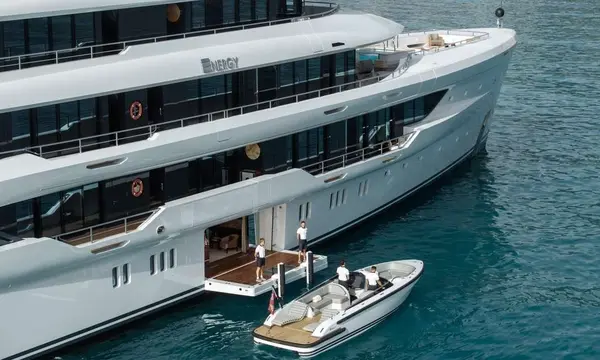
Burgess spotlights four recently delivered Dutch-built yachts above 70m—ENERGY, BOARDWALK V, SYNTHESIS and VANISH—in its October sales overview.
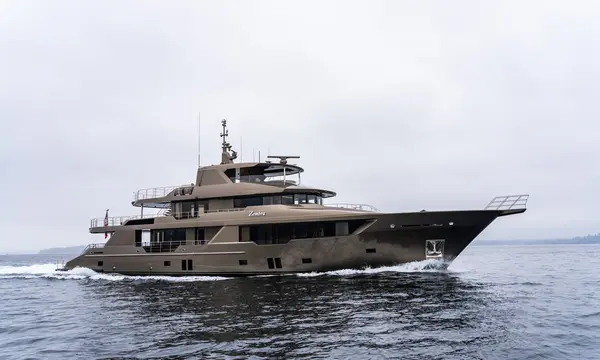
Burgess has announced its appointment as joint central agent for the sale of PROJECT ZEMBRA, a 46.3-metre Delta Marine motor yacht offered at $69 …
Superyacht Guide
Continue into the wider Superyacht Guide.
Business opportunities · Superyacht Guide
Companies serving the superyacht market can discuss clearly identified advertising, sponsorship and business-profile opportunities. Commercial activity remains separate from independent editorial coverage.