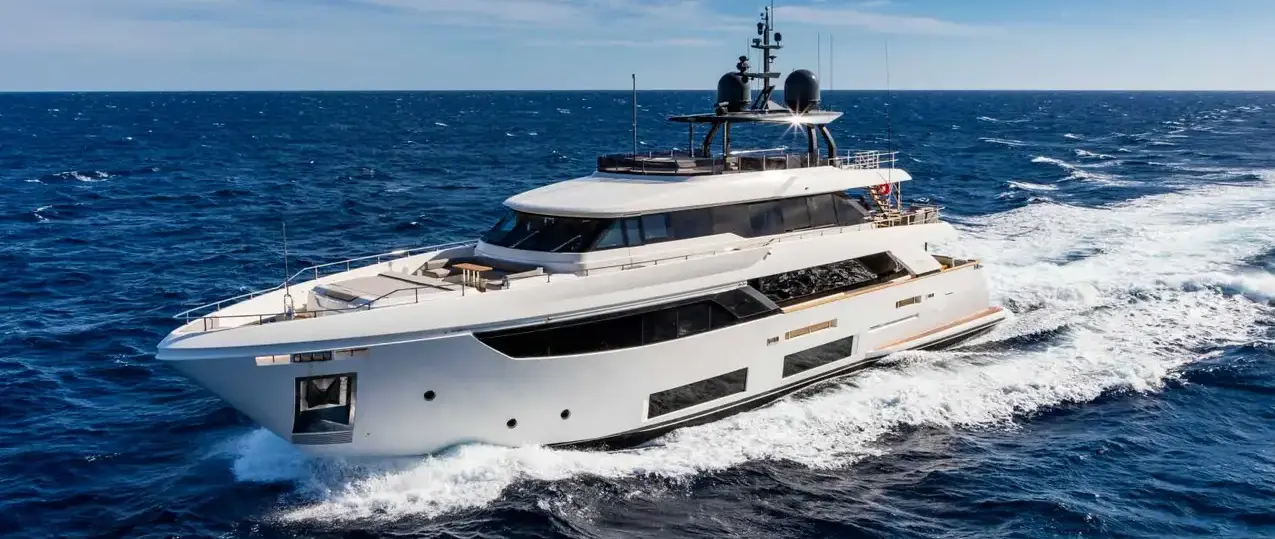
Image: Burgess official
Burgess says more than 80% of current yacht projects sit below 500GT, a segment balancing large-yacht amenities with simpler regulation, crewing and ownership.
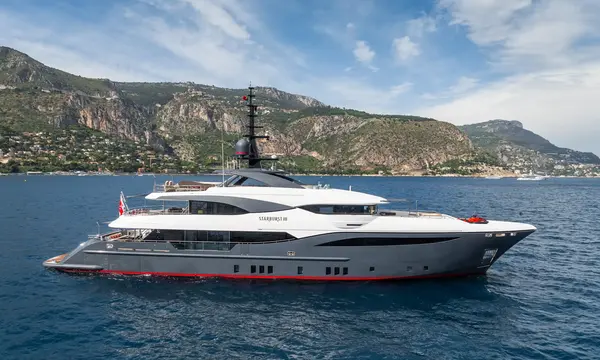
Burgess has highlighted the sub-500GT sector as one of the most resilient areas of the new-build market, arguing that the threshold offers owners an unusually effective balance between space, capability and operating simplicity. The brokerage points to 932 yachts under 500GT in the 2026 global order book, representing more than 80 percent of projects in build.
Gross tonnage measures enclosed internal volume rather than weight, but the 500GT threshold has major operational consequences. Above it, regulatory, safety and crewing requirements become more complex, which can increase costs and reduce some of the flexibility owners value in smaller large yachts.
Staying below the threshold can simplify crew structures and compliance while still allowing beach clubs, Jacuzzis, substantial deck areas and ocean-crossing capability. That combination is a major reason the segment continues to attract both first-time and experienced owners.
Burgess notes that many sub-500GT yachts are built on semi-production or proven technical platforms. This allows shipyards to begin construction earlier, reduce design risk and in some cases offer speculative yachts with far shorter delivery times than a fully custom project.
For buyers who want a new yacht without a multi-year wait, that can be decisive. Personalisation remains possible, but the engineering foundation is already resolved and tested.
The brokerage argues that carefully planned sub-500GT yachts can have broad appeal on the resale and charter markets. Their operating costs are more manageable than significantly larger yachts, while their guest areas can still deliver the amenities expected in modern superyacht ownership.
A broad buyer pool can also support residual value. Yachts that combine recognised pedigree, efficient layouts and flexible private or commercial operation may be easier to reposition when an owner eventually chooses to sell.
The trade-off is that every cubic metre matters. Tankage, machinery space, crew areas, storage and guest amenities compete for the same volume, forcing owners and designers to define priorities early rather than attempting to include every possible feature.
For Superyacht Guide readers, that discipline is part of the attraction. The strongest sub-500GT projects demonstrate that scale alone does not determine capability; intelligent architecture and a focused ownership brief can create a highly capable yacht without crossing into a much more complex regulatory class.
Official sources: www.burgessyachts.com.
Explore
Go deeper into the yachts, companies, events and destinations directly connected to this article.
Continue reading
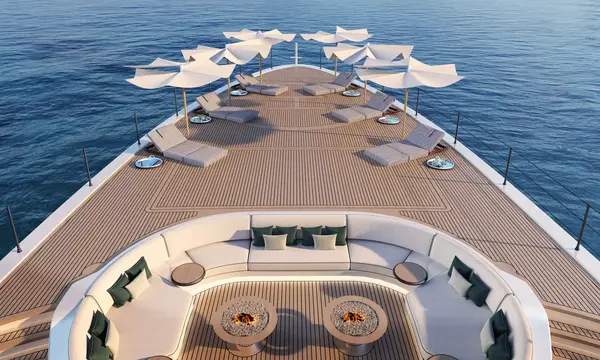
Burgess has identified near-completion new-build opportunities that can shorten the route to ownership, including a 47m Benetti and 65m Royal Hakvoort.
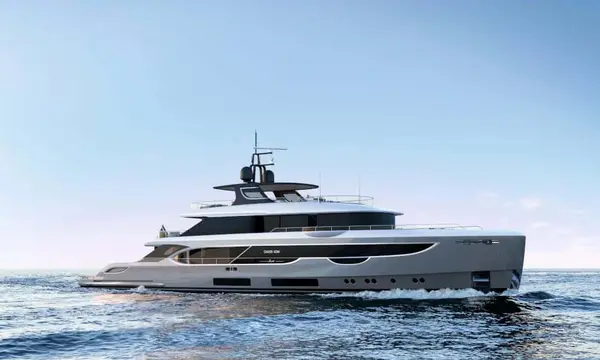
Running a 40m superyacht requires a substantial annual budget for crew, maintenance, fuel, berthing and other operating costs. Superyacht Guide's 2026 model of 322 …
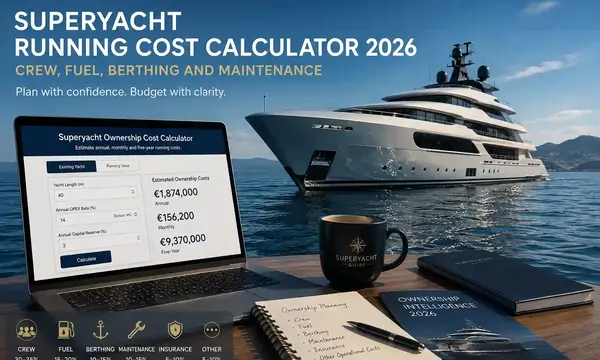
Superyacht Guide's 2026 running cost calculator provides annual, monthly and five-year ownership estimates using either an existing yacht or a planning value. It gives …
Burgess says the 40–60m segment has become one of the most attractive parts of the brokerage market because it combines large-yacht amenities with more …
Superyacht Guide
Continue into the wider Superyacht Guide.
Business opportunities · Superyacht Guide
Companies serving the superyacht market can discuss clearly identified advertising, sponsorship and business-profile opportunities. Commercial activity remains separate from independent editorial coverage.