How Much Does Starlink Cost on a Superyacht? 2026 Plans and Setup
How Much Does Starlink Cost on a Superyacht? 2026 Plans and Setup Starlink’s current European maritime pricing starts around €250 per month for 50 …
Can You Work Remotely from a Superyacht? Wi-Fi, Starlink and Power Yes, remote work from a superyacht is technically realistic when the yacht has robust internet, reliable onboard power and a programme that does not depend on continuous cellular coverage.
Yes, remote work from a superyacht is technically realistic when the yacht has robust internet, reliable onboard power and a programme that does not depend on continuous cellular coverage. On a superyacht, the feature is never just an amenity: it affects structure, weight, stability, fire safety, machinery, crew procedures and the amount of technical space available elsewhere. This is why the headline number should be treated as a starting point rather than the whole answer.
This page answers can you work remotely from a superyacht? wi-fi, starlink and power with current Superyacht Guide data or primary-source guidance rather than a generic one-line answer. Designers therefore integrate these spaces early, because adding them late can create compromises in tankage, circulation, tender capacity or service access. The planning consequence is more important than the marketing headline because it affects cash flow and operational flexibility.
Individual examples can be explored through the SYG Superyacht Fleet, while ownership implications are covered in the Yacht Financial Intelligence section. That combination helps separate a striking design feature from its technical and operating consequences.
For the underlying connectivity systems, read Do Superyachts Have Wi-Fi? Starlink & Internet at Sea. That guide explains how Starlink fits alongside VSAT, cellular and yacht IT rather than replacing every other connection.
Modern yachts can combine Starlink, VSAT, 4G or 5G and marina Wi-Fi into a managed onboard network. The largest yachts can absorb the engineering penalty more easily, but even at 100m every square metre competes with guest accommodation, crew routes, machinery and storage. That distinction prevents a simple search answer from becoming misleading when applied to a specific yacht.
Starlink currently markets maritime and boating services specifically for streaming, video calls and offshore work. Operational rules also matter: a spectacular feature may be restricted by weather, port rules, aviation requirements, local law or the captain’s safety assessment. Captains, managers and advisers normally refine the estimate once the yacht, route and intended use are known.
A professional yacht normally separates guest, crew and operational networks so one user cannot consume all available bandwidth. Marketing language can exaggerate similarities, so SYG distinguishes between a true dedicated facility and a deck or room that can be converted temporarily for the same purpose. Individual yachts can still sit well above or below the pattern because superyachts are unusually specification-sensitive assets.
The real measure is stable latency and usable upload as well as headline download speed. Maintenance is part of the ownership calculation because specialist systems add inspections, spares, technicians and training to the annual operating programme. A prudent plan therefore includes room for maintenance, compliance and unexpected technical work instead of modelling only the visible cost.
Satellite coverage and local authorisation can vary by region and territorial waters. The most successful examples work because the feature is integrated with the yacht’s mission rather than added only for visual impact. That is especially relevant in the 24m+ market, where two yachts of similar length can have very different tonnage and machinery loads.
Masts, radars and superstructure can obstruct a satellite terminal if installation geometry is poor. For buyers and charterers, the useful question is not whether a yacht has the feature, but how practical it is to use repeatedly in real cruising conditions. The most reliable comparison uses several dimensions together instead of relying on one advertised figure.
Heavy rain, congestion or equipment faults can still interrupt a normally strong service. On a superyacht, the feature is never just an amenity: it affects structure, weight, stability, fire safety, machinery, crew procedures and the amount of technical space available elsewhere. This is why the headline number should be treated as a starting point rather than the whole answer.
Large yachts therefore keep backup paths rather than treating a single terminal as guaranteed connectivity. Designers therefore integrate these spaces early, because adding them late can create compromises in tankage, circulation, tender capacity or service access. The planning consequence is more important than the marketing headline because it affects cash flow and operational flexibility.
A laptop and video call use little power compared with the yacht’s hotel load, but continuous connectivity depends on the vessel’s electrical systems remaining available. The largest yachts can absorb the engineering penalty more easily, but even at 100m every square metre competes with guest accommodation, crew routes, machinery and storage. That distinction prevents a simple search answer from becoming misleading when applied to a specific yacht.
Generators, shore power, batteries and power-management systems determine how quietly and efficiently the yacht can support work at anchor. Operational rules also matter: a spectacular feature may be restricted by weather, port rules, aviation requirements, local law or the captain’s safety assessment. Captains, managers and advisers normally refine the estimate once the yacht, route and intended use are known.
A dedicated desk or quiet cabin is more useful than trying to work from a busy main saloon. Marketing language can exaggerate similarities, so SYG distinguishes between a true dedicated facility and a deck or room that can be converted temporarily for the same purpose. Individual yachts can still sit well above or below the pattern because superyachts are unusually specification-sensitive assets.
Time-zone differences and itinerary changes can be more disruptive to work than bandwidth itself. Maintenance is part of the ownership calculation because specialist systems add inspections, spares, technicians and training to the annual operating programme. A prudent plan therefore includes room for maintenance, compliance and unexpected technical work instead of modelling only the visible cost.
Ask for the actual onboard connectivity setup rather than assuming every large yacht has the same system. The most successful examples work because the feature is integrated with the yacht’s mission rather than added only for visual impact. That is especially relevant in the 24m+ market, where two yachts of similar length can have very different tonnage and machinery loads.
Confirm whether the owner or charter policy allows substantial business use and large data transfers. For buyers and charterers, the useful question is not whether a yacht has the feature, but how practical it is to use repeatedly in real cruising conditions. The most reliable comparison uses several dimensions together instead of relying on one advertised figure.
Test VPN, corporate security and video-call requirements before an important meeting. On a superyacht, the feature is never just an amenity: it affects structure, weight, stability, fire safety, machinery, crew procedures and the amount of technical space available elsewhere. This is why the headline number should be treated as a starting point rather than the whole answer.
Keep critical files available offline because even premium satellite systems should be treated as resilient but not infallible. Designers therefore integrate these spaces early, because adding them late can create compromises in tankage, circulation, tender capacity or service access. The planning consequence is more important than the marketing headline because it affects cash flow and operational flexibility.
The useful answer depends on the yacht, programme and current operating conditions, so individual decisions should be checked against the vessel’s own records and applicable rules. The largest yachts can absorb the engineering penalty more easily, but even at 100m every square metre competes with guest accommodation, crew routes, machinery and storage. That distinction prevents a simple search answer from becoming misleading when applied to a specific yacht.
Superyacht Guide will update the page as better fleet data or primary-source guidance becomes available. Operational rules also matter: a spectacular feature may be restricted by weather, port rules, aviation requirements, local law or the captain’s safety assessment. Captains, managers and advisers normally refine the estimate once the yacht, route and intended use are known.
Continue reading
How Much Does Starlink Cost on a Superyacht? 2026 Plans and Setup Starlink’s current European maritime pricing starts around €250 per month for 50 …
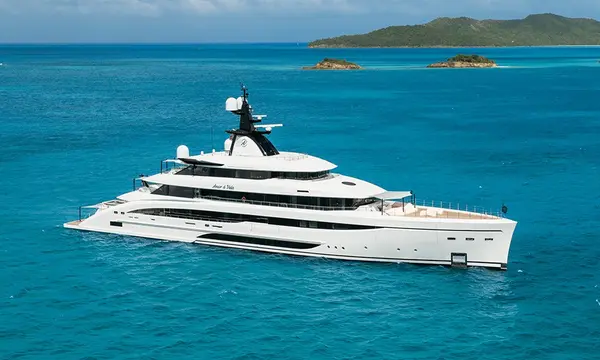
Videoworks has detailed the integrated AV, IT, communications and cybersecurity architecture aboard the 67.55m CRN superyacht Amor à Vida.

A superyacht's freedom to stay away from marinas depends partly on an unglamorous machine deep in the technical spaces. Watermakers turn seawater into freshwater, …
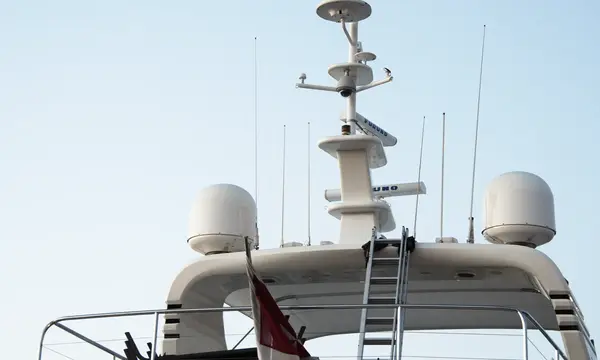
Starlink has transformed yacht connectivity, but the best superyacht systems combine LEO satellite, VSAT, 5G, shore Wi-Fi and cybersecurity into one managed network.
Superyacht Guide
Continue into the wider Superyacht Guide.