

Cariboni Enters New Ownership Phase as Itago IV Takes Majority
By Superyacht Guide Newsroom · Edited by Superyacht Guide Newsroom
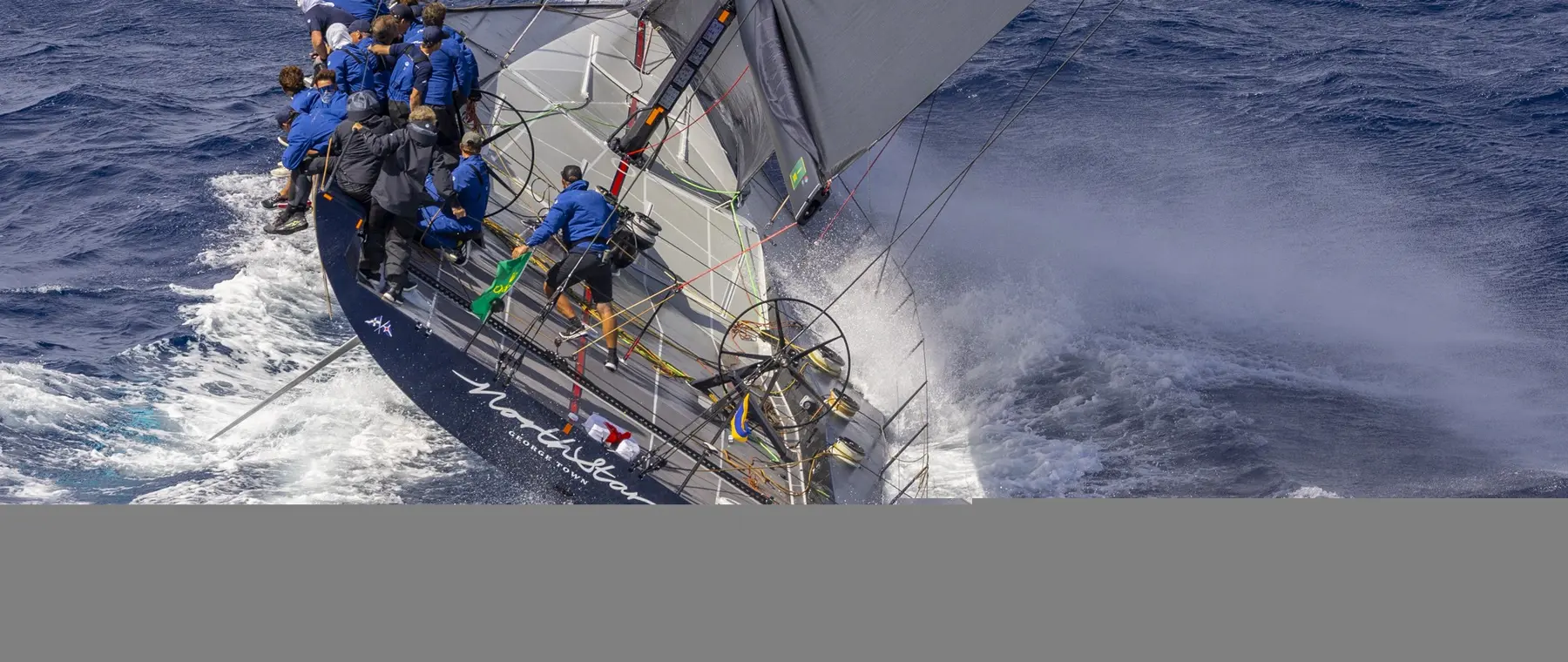
Cariboni official sailing hydraulics corporate photograph 2026
Itago IV acquires a majority of Cariboni through Vela 48, while the Italian sailing-hydraulics specialist founding family retains 29.18 per cent.
Italian marine hydraulics specialist Cariboni has entered a new ownership phase after the Itago IV private equity fund acquired an indirect majority stake through the investment vehicle Vela 48. The transaction was reported on 20 November 2026, with the founding Cariboni family retaining a combined 29.18 per cent of the company and continuing to play a central role in its operations. Cariboni, based in Ronco Briantino near Monza, designs bespoke hydraulic and oleodynamic systems for large sailing yachts, high-performance racing boats and America's Cup projects. Founder Giovanni, known as Gianni, Cariboni is identified as chairman of Vela 48, while Paola and Marco Cariboni remain involved in the commercial and technical sides of the business. The investment brings institutional capital into a specialist supplier whose equipment can be critical to the safe and effective operation of large sailing yachts.
The Itago IV fund, managed by Itago SGR, has taken an indirect controlling investment in Cariboni through Vela 48. The family has reinvested and retains a significant minority stake, a structure that may align the interests of the new financial backer with those of management. The published information establishes the change in ownership, but it does not set out every term of the shareholders' agreement, the full purchase price or the voting arrangements.
Those distinctions matter. A majority shareholding establishes an important degree of economic control, yet the way decisions are made may also depend on contractual governance. The report says the family remains central to management, but that should not be interpreted as a promise that no organizational changes will follow. Owners, builders and suppliers should assess the business through its continuing performance and communicated service policies.
Cariboni was founded in 1984 and originally manufactured aluminium masts before developing its expertise in hydraulic systems for high-performance sailing. Over time, the company expanded into cylinders, pumps, valves, control units and complete integrated arrangements. Its work reflects the growing sophistication of deck machinery on sailing yachts, where large loads and demanding operating cycles require components designed for particular applications.
The history is relevant to superyacht owners because hydraulic equipment is rarely selected on appearance alone. A reliable system must perform its intended task and remain serviceable throughout the yacht's life. A company with long experience of custom projects may have valuable knowledge about how components behave over time. That history is useful, although each new product should still be evaluated against the actual specification and certification requirements of the yacht being built or refitted.
The company is associated with systems supplied to Wally and high-end sailing projects as well as America's Cup competitors. Its published history includes involvement with components for AC75 boats, among them specialised titanium hydraulic cylinders used with foiling equipment. Cariboni also describes work associated with the Luna Rossa programme. These examples illustrate the technical environment in which the company operates, though racing results cannot be directly translated into a guarantee of reliability on a cruising superyacht.
A race boat may prioritise weight, adjustment speed and exceptionally high performance, sometimes with short operating intervals and extensive technical support. A cruising yacht needs dependable performance over a longer lifecycle, often with different redundancy and access arrangements. Expertise can move between the two worlds, but engineers must adapt the design to suit the vessel's actual operating profile rather than simply install racing-derived equipment unchanged.
Among the applications associated with Cariboni are canting-keel systems and automated sail-trim arrangements. Such equipment helps control significant forces as a sailing vessel changes course or adjusts its configuration. The consequences of component failure can be serious, making good engineering, appropriate monitoring and clear emergency procedures essential.
The sophistication of the equipment also creates maintenance responsibilities. Shipyards and owners should understand how hydraulic circuits are protected, how faults are detected and how crew can isolate equipment if necessary. Documentation should record pressure limits, hose and seal specifications, service intervals and spare-part arrangements. A manufacturer's reputation may influence supplier selection, but it does not remove the need for a detailed review of the installed system.
Cariboni's portfolio includes Magic Trim, an arrangement developed to assist the adjustment of sailing systems through automation. In large sailing yachts, reducing the manual effort involved in trimming can make certain operations more manageable, particularly where the forces exceed those that a person could reasonably control without mechanical assistance. The exact benefits depend on the installed configuration and on how the system interacts with the yacht's sailing plan.
Automation does not remove responsibility from the watchkeeping crew. Captains and sailing teams need training on operating limits, emergency stop procedures and what happens when controls or sensors become unavailable. Systems also require suitable human oversight when conditions change rapidly. Owners choosing advanced equipment should evaluate its ergonomics as well as its technical capability, because an interface that is difficult to interpret can weaken the value of otherwise capable machinery.
According to the financial figures reported for 2025, Cariboni recorded revenue of approximately €9.865 million, EBITDA of €2.724 million, net profit of €2.106 million and shareholders' equity approaching €9 million. The EBITDA figure represents roughly 27.6 per cent of revenue. These are historical company figures in the transaction report, not an independently audited forecast of what the business will earn after the investment.
The operating organization reportedly includes about thirty direct employees and a wider group of contractors and specialist installers. A small, focused workforce can possess highly specialized knowledge, but it may also face capacity constraints when multiple large projects progress simultaneously. Builders and owners should discuss lead times, support commitments and the availability of trained technicians as part of their procurement planning. Investment in expansion may help capacity, but the effects will need to be established over time.
Paola Cariboni is described as overseeing sales, production coordination and international markets, while Marco Cariboni holds responsibilities on the technical side. Their continued participation is significant for customers who value continuity of project knowledge and relationships. Technical companies can rely heavily on the experience of a relatively small number of specialists, so succession and the transfer of knowledge are important considerations.
The report does not establish an announced departure date for the founder or a detailed future leadership timetable. It is more accurate to describe the family as remaining operationally involved under the new shareholder structure than to suggest a completed transition to outside management. The arrangement could help combine established know-how with additional financial resources, but its success will depend on decisions made after the transaction.
The stated objective of the Itago IV investment is to support organizational development and the company's presence in international markets. This could involve processes, additional personnel, new facilities or wider distribution relationships, but individual initiatives should not be presented as committed until the company announces them. The available transaction reporting does not disclose a detailed investment programme or quantified expansion targets.
For the wider superyacht supply chain, the transaction highlights the commercial value attached to specialist engineering businesses. A custom yacht may be built around machinery and systems sourced from relatively small companies whose expertise would be difficult to reproduce quickly. Investment in these suppliers can support new opportunities, but customers still need assurances about technical continuity, documentation and service support through the equipment lifecycle.
Builders already working with Cariboni will want to understand whether existing contracts, contacts, specifications and after-sales responsibilities remain unchanged. Owners may also ask how the company will handle maintenance for legacy systems, which can stay aboard yachts for many years. Spare parts and accessible specialist support are particularly important to vessels that travel between distant cruising grounds.
A change in shareholder structure does not by itself mean a reduction or improvement in the technical quality of a product. The relevant evidence will come from continued investment, delivery performance and the service offered to customers. Shipyards should keep standard supplier-management procedures in place while welcoming opportunities for stronger technical capability.
The majority acquisition by Itago IV is a notable transaction because it concerns a business embedded in the engineering of large sailing yachts and competition craft. The published details identify a family retained minority holding, continued management involvement and a plan to support international growth. They do not disclose a new product order, a change of headquarters or a completed expansion programme.
Cariboni's next chapter will be judged by the strength of its engineering, the way it serves existing projects and whether it can scale responsibly. For superyacht owners, the development is relevant less as an investment headline than as a question of supply-chain durability. The best outcome would be continuity of knowledge combined with the resources to support increasingly demanding projects, but that remains an objective to be assessed as the new ownership structure develops.
Primary source: SuperYacht24 Cariboni and Itago IV transaction report, 20 November 2026.
Further information: Cariboni official corporate sailing systems and product information.
Illustrative image: Cariboni S.r.l. official company website showing a sailing yacht, not the investment transaction. Official source.
Explore
Go deeper into the yachts, companies, events and destinations directly connected to this article.
Continue reading

Sunseeker International has appointed Daren Morris chief financial officer, succeeding Dean Lawler. The move follows new ownership and advances in its 134 Superyacht programme.
Marsh has acquired the Newport, Rhode Island-based Triton Insurance Agency, a yacht and marine insurance specialist founded in 2011. CEO Bob Peck and the …

Metstrade has confirmed six initial exhibitors for its dedicated 2026 Superyacht Startups Area in Hall 8, with Fort Insurance sponsoring the wider programme.

D-Marin has partnered with ult. Insurance to connect yacht owners at its UAE marinas with specialist cover reviews, placement, claims assistance and a dedicated …
Superyacht Guide
Continue into the wider Superyacht Guide.
Business opportunities · Superyacht Guide
Companies serving the superyacht market can discuss clearly identified advertising, sponsorship and business-profile opportunities. Commercial activity remains separate from independent editorial coverage.