43m Christensen GRADE I Changes Hands Following 2026 Refit
By Superyacht Guide Newsroom · Edited by Superyacht Guide Newsroom
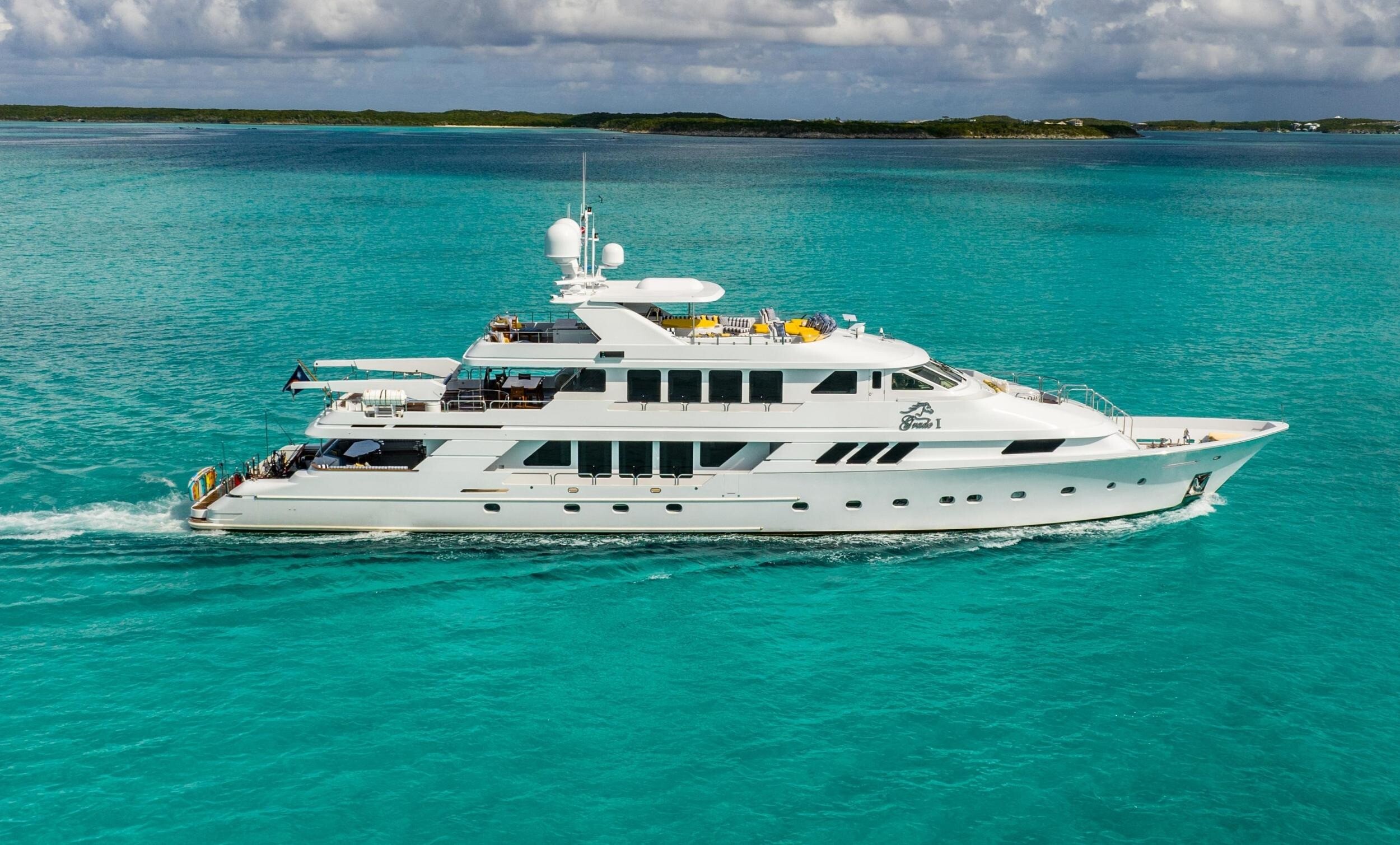
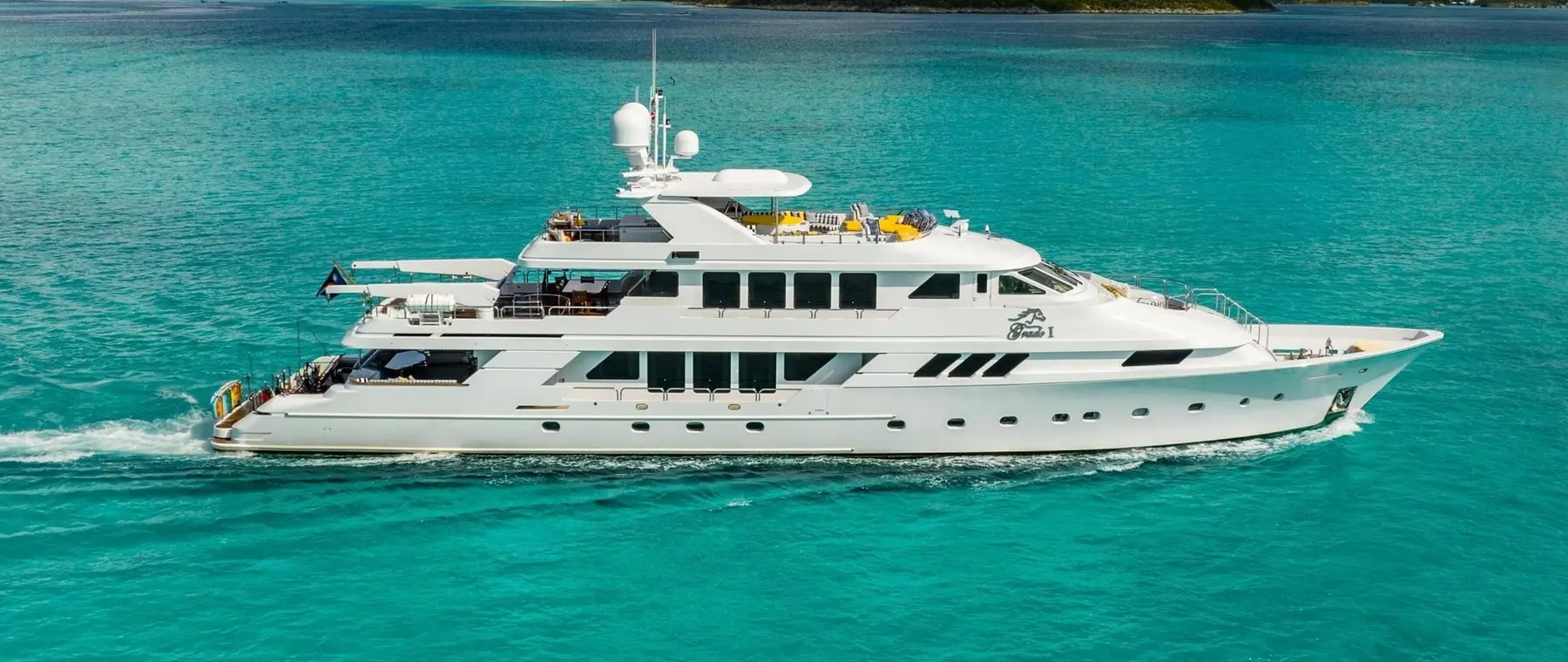
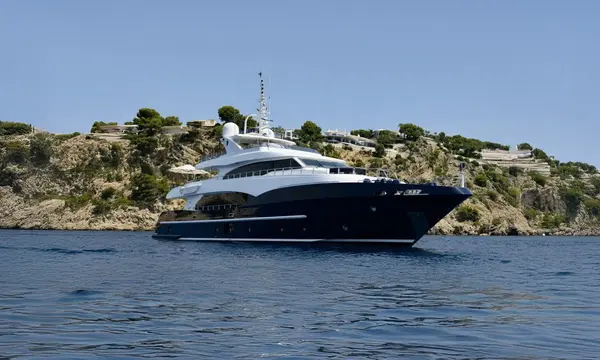
GRADE I — Fraser Yachts official brokerage photograph
Fraser confirms the sale of 43m Christensen GRADE I, following a 2026 refit and recent generator replacements, with six guest staterooms and an extended sundeck.
Fraser confirmed on 13 November 2026 that the 43-metre Christensen motor yacht GRADE I has been sold. Lon McCloskey of the company's Palm Beach office represented the seller. Originally built in 1995, the yacht completed its latest refit during 2026 and has undergone further machinery upgrades in recent years. The broker has not disclosed the final sale price or the identity of the purchaser.
The transaction is a useful example of the continuing role of well-maintained older vessels in the superyacht market. A yacht with three decades of service behind it may have a distinctive layout and character that are difficult to reproduce in contemporary construction. At the same time, its condition depends heavily on the quality of the work undertaken throughout those years. The fact that GRADE I changed hands after a recent refit is relevant to understanding the offering, but it cannot be used in isolation to measure the financial return on the work conducted.
One of the first distinctions that buyers of older yachts need to make is between the chronological age of the vessel and the condition of its structure and systems. Original framing, hull materials, deck construction, tanks and machinery foundations may outlast multiple generations of navigation electronics and domestic equipment. A substantial programme of maintenance can leave an older yacht better prepared for its intended use than a more recent vessel that has been neglected.
The reverse is also possible. Fresh paint, new furnishings and updated displays do not establish that structural issues have been identified or addressed. An independent survey should investigate the condition of the hull, decks, windows, watertight arrangements and critical penetrations. Inspect inaccessible areas where appropriate and examine repair records in conjunction with the physical evidence. A buyer should understand the remaining uncertainties as well as the items that were formally assessed.
GRADE I's announced sale does not provide the underlying survey reports. It would therefore be inappropriate to draw conclusions about the vessel's precise technical condition or the terms under which the purchaser accepted it. The wider lesson for the market is that age must be interpreted alongside records of inspections and investment rather than treated as a complete description of a yacht.
Fraser specifically identifies a renovated skylounge as one of the features of the yacht. On a substantial motor yacht, updating this type of room can change much of the daily experience without undertaking a wholesale redesign of the accommodation. It offers an alternative to the formal character of a principal saloon and may be particularly valuable on passages where guests enjoy looking out over the sea without remaining exposed to wind and weather.
A successful interior refit involves more than choosing attractive materials. New furniture and partitions need to respect access arrangements, ventilation, structural limitations, escape routes and the maintenance requirements of systems installed behind the visible surfaces. A designer must also account for the movement of the vessel. A chair that works beautifully in a residence may require different securing arrangements at sea.
During an assessment, examine the room in both its quietest and busiest configurations. A large lounge may occasionally need to accommodate all twelve guests, while at other times it may offer a retreat for only one or two. Lighting controls, socket positions, noise from adjacent service areas and the functionality of window treatments can have a disproportionate influence on comfort. The value of the improvement is apparent in the way the room works rather than the novelty of its finishes.
The broker also highlights an extension to GRADE I's sundeck. Added outdoor accommodation may make an existing yacht more appealing to owners who value prolonged time outside, but structural and stability considerations deserve careful attention whenever deck geometry is altered. Even apparently modest changes can affect weights, loads, drainage and the integration of existing equipment.
A purchaser should ask which drawings, approvals and technical calculations relate to the alteration. Establish whether the modification has been reflected in the relevant stability information where required and whether the supporting structure has undergone appropriate inspections. Check the implications for the use of lifting appliances, fitted equipment and the arrangement of tenders or other objects that may be carried nearby. These are questions for the naval architect and surveyor, not matters to infer from the appearance of the deck.
There is a similarly practical dimension to how an extended area is used. Guests benefit from seating, shade and freedom to move about safely. Crew need unobstructed access for cleaning and maintenance. Drains must be reachable, and equipment exposed to ultraviolet light and salt water needs suitable protection. A deck alteration succeeds when these operational and engineering requirements remain compatible with the intended lifestyle.
According to the sale announcement, GRADE I received new generators in 2024 and 2025. Electrical generation is a fundamental element of comfort and reliability aboard a vessel of this size. Air conditioning, lighting, galley equipment, freshwater systems and numerous other loads depend on the ability of the electrical installation to provide power in changing operating conditions.
Replacing a generator involves understanding its relationship to the rest of the vessel. The new unit must work with switchboards, protection equipment, fuel arrangements, ventilation and exhaust systems. It is worth establishing which parts of the original installation were retained and which were renewed at the same time. Two comparatively new machines do not automatically mean all supporting equipment has been replaced or that every electrical limitation has disappeared.
Request the installation records and commissioning results, together with details of running hours and routine servicing. A competent electrical specialist can assess load distribution, redundancy and the way the generators respond when major equipment starts. Pay attention to the availability of spares and technical support in the planned cruising area. The most useful upgrade is one that can continue to be supported and documented after the shipyard period has ended.
GRADE I is also reported to have Naiad stabilisation. The performance of any stabilisation arrangement depends on its design, the vessel's operating state and the conditions encountered. The brand name alone does not establish what motion reduction will be achieved or whether a particular operating mode is installed.
A sea trial provides the opportunity to discuss the system's use with the captain and assess the machinery in an appropriate operating environment. Inspect the maintenance records, hydraulic components and any relevant actuator or fin service history. Where work has been completed, identify the responsible contractor and the specification against which the equipment was tested. Guests may notice comfort immediately, while the owner needs to know what is required to preserve it over future seasons.
The yacht's six-stateroom configuration accommodates up to twelve guests, according to Fraser. An owner considering a yacht of this generation should evaluate the configuration in the context of modern expectations about accessibility, privacy and service. Older floorplans can provide generous rooms, but the distribution of cabins and supporting circulation may differ from that of a contemporary new build.
The usefulness of guest accommodation is especially evident on a longer trip. Examine the storage available for a full party, the suitability of bathrooms, the routes to common areas and how the layout affects housekeeping. Consider the crew's accommodation and working spaces at the same time. A well-rested team with appropriate facilities is essential to sustaining a high standard of hospitality throughout an extended voyage. Guest numbers are an important specification, but they are not a substitute for understanding the vessel's overall capacity and the way it is managed.
A series of maintenance projects should produce an organised collection of evidence. For a subsequent owner, lists of completed work, invoices, maker documentation, commissioning certificates and photographic records can make the difference between understanding a vessel and having to rediscover its systems from the beginning. A recent change of ownership is a particularly valuable time to consolidate that information.
The purchaser and management team should identify any warranties that may be transferable and obtain current contact details for the contractors responsible for important upgrades. Original drawings ought to be brought together with later alteration records so that future work is not specified against outdated information. This is not simply an administrative exercise. When a yacht develops an unforeseen problem during a voyage, accessible and accurate documentation may help its technical team identify the proper response more quickly.
GRADE I's November transaction demonstrates that an established 43-metre American superyacht remains capable of attracting a purchaser after substantial periods of operation and continued investment. The recent work identified by Fraser provides useful context for the sale, particularly the changes to exterior and interior guest spaces and the renewal of generating equipment.
The announcement does not establish the refit's financial return, the final transaction value or the new owner's future plans. It does reinforce the importance of assessing a pre-owned yacht as a functioning vessel with a history, rather than comparing model years and decorative photographs alone. For the next phase of ownership, the quality of that history and the continuity of the maintenance programme will matter as much as the work completed before the sale.
Primary source: Fraser Yachts.
GRADE I — Fraser Yachts official brokerage photograph. Official editorial press material from Fraser Yachts. Official source.
Explore
Go deeper into the yachts, companies, events and destinations directly connected to this article.
Continue reading

Fraser lists the 1995 Scarano schooner AMERICA for sale, highlighting its historic design, seven-guest accommodation and US passenger-vessel certification.
Fraser introduces 31m Horizon SEA-RENITY to its brokerage fleet, highlighting the FD100's five-cabin layout, shallow draught and extensive outdoor living.
Fraser announces the 40.2-metre Benetti ASIA POSEIDON for sale on 6 November 2026, detailing a €11.8 million asking price, extensive 2024 refit, six guest …
Fraser cuts the asking price of 38m Gulf Craft Majesty 125 GRAND CRU to €6.4m following upgrades through 2024 and fresh hull paint in …
Superyacht Guide
Continue into the wider Superyacht Guide.
Business opportunities · Superyacht Guide
Companies serving the superyacht market can discuss clearly identified advertising, sponsorship and business-profile opportunities. Commercial activity remains separate from independent editorial coverage.