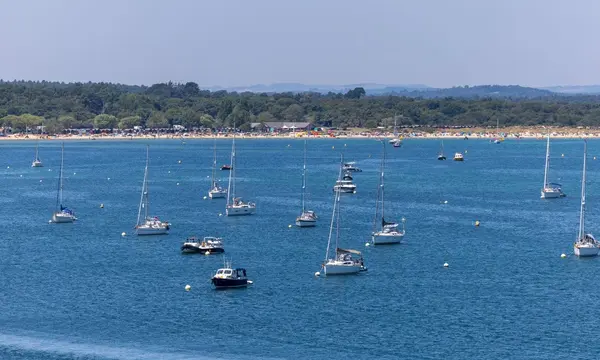
Studland Bay Eco-Moorings Linked to 93.6% Reduction in Seagrass Scars
Five years of Studland Bay monitoring found average bare-seabed scars shrank 93.6% around trial eco-moorings, offering evidence for better yacht anchoring practices.
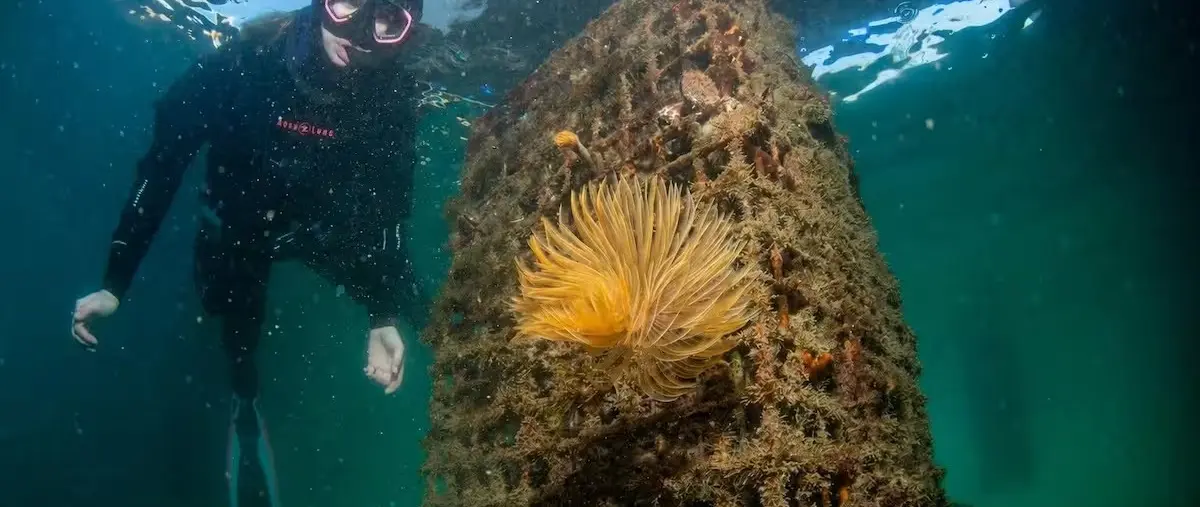
The Biohut programme, with 171 habitat units across four Mediterranean D-Marin locations, receives gold and platinum distinctions at Greece's Environmental Awards.
D-Marin’s work on small-fish habitat installations at four Mediterranean marinas has been recognised with both a gold and a platinum award at the Environmental Awards 2026 in Greece. The gold prize was in the Biodiversity & Nature Protection category, while the platinum distinction was awarded to the highest-scoring entry across the competition. The recognition concerns an existing programme, rather than a newly announced marina acquisition or berth expansion.
The operator says the programme uses Ecocean’s Biohut system, a modular structure intended to help young marine organisms find shelter around developed waterfronts. Marina World reported the awards on 20 October following the competition organised by Boussias Events. This gives the initiative a fresh milestone, although an award itself should not be interpreted as independent proof of the full ecological effectiveness of every installation.
D-Marin reports that 171 Biohut units have been installed across Port Camille Rayon in France, Gouvia in Greece, Dalmacija in Croatia and Porto Mirabello in Italy. The locations span different harbour settings and maritime ecosystems, providing a wider operational footprint than a single demonstration installation. The company presents the units as part of a programme aimed at biodiversity support inside working marinas.
The number is an installed-unit count, not an estimate of fish populations or a measurement of species recovery. For yacht captains and berth holders, that distinction matters when assessing environmental claims made by marina operators. A credible habitat programme should ultimately be judged through monitoring data and maintenance performance as well as the number of structures deployed.
Ecocean develops the Biohut structures to provide protected microhabitats in otherwise heavily engineered port surroundings. Young fish and other organisms can face relatively exposed conditions alongside vertical quay walls, pontoons and hard harbour edges. A purpose-built refuge is intended to introduce shelter into these locations without requiring a complete reconstruction of an active berth area.
That concept is relevant to busy superyacht marinas because their infrastructure must accommodate mooring lines, utilities, tenders and commercial movements alongside any environmental work. The installation design needs to coexist with those operations. It should never obstruct safe access, compromise a berth’s structural equipment or create an unexamined snagging hazard for yacht mooring arrangements.
Owners increasingly ask marina operators what environmental measures exist beyond rubbish collection and shore-power provision. Fish habitat projects add another possible indicator of management attention to the surrounding marine ecosystem. They do not, however, cancel out the effects of vessel emissions, anchoring practices, cleaning chemicals or wastewater, each of which needs its own controls.
Large yachts interact with coastal environments through tenders, propulsion, provisioning and long stays at berth, so marina management can influence how impacts are managed. A habitat initiative is most useful as one component of a broader plan that includes water-quality controls and responsible maintenance. Crew should treat it as a reason to ask detailed questions rather than as a blanket certificate of sustainable operation.
Port Camille Rayon sits on France’s Côte d’Azur, Gouvia serves Corfu, Dalmacija operates near the Dalmatian coast and Porto Mirabello is based at La Spezia. The four sites bring the programme into major western and eastern Mediterranean cruising areas, including locations used by larger visiting yachts. Their differing water conditions mean installation performance may reasonably vary from berth to berth.
An owner considering a winter berth or seasonal base can use these projects as a prompt to discuss the marina’s environmental management systems. Relevant questions include where the units are placed, who inspects them, how fouling or damage is dealt with and what monitoring reports are available. The award announcement itself does not provide such site-by-site operational detail.
The award jury recognised the programme in two categories, but the available announcement offers limited numerical evidence about changes in local fish survival or biodiversity. No before-and-after population measurements were supplied in the reported account. This does not negate the work; it establishes where editorial caution is necessary when translating an operator’s sustainability message into evidence for owners.
For an industry accustomed to broad green claims, measurable outcomes are becoming an important part of procurement and marina selection. Independent surveys, consistent observation periods and publicly described methods would allow meaningful comparison over time. Until those are available, D-Marin’s clearest verified figures are the award result, the four named participating marinas and the 171 deployed units.
The Biohut honours add to other recognition claimed by D-Marin during 2026, including a silver award at the Tourism Awards and a Best CSR Initiative distinction on the Cannes Yachting Festival Innovation Route. Awards can encourage operators to maintain programmes and share approaches with peers. The wider value will depend on implementation continuing after the publicity surrounding each ceremony.
The organisation operates in a marina sector where electricity, water, waste, seagrass protection and coastal development are increasingly visible considerations. Different programmes address different parts of that challenge, and they should not be conflated. A fish-habitat installation does not substitute for wastewater infrastructure, and a responsible fuel-handling procedure does not replace ecological habitat management.
The next test will be how D-Marin and Ecocean maintain their installations and report observed changes over successive seasons. Harbours are dynamic working environments, with cleaning, dredging, maintenance and fluctuating vessel traffic all capable of affecting habitat conditions. A long-term programme needs clear ownership of upkeep and an ability to adapt when sites behave differently from expectations.
For superyacht owners and managers, the October awards are a useful, verifiable development at four major cruising marinas, not a declaration that every environmental question is resolved. The responsible reading is that D-Marin has undertaken a defined intervention at measurable scale and received recognition for it. Further ecological reporting will determine how convincingly the project demonstrates lasting benefits to Mediterranean marine life.
Continue reading
Five years of Studland Bay monitoring found average bare-seabed scars shrank 93.6% around trial eco-moorings, offering evidence for better yacht anchoring practices.
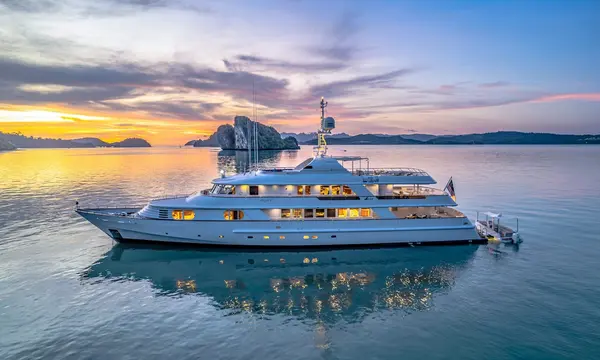
The 48.2m CRN-built AZUL V features in the October 12 premiere of Below Deck Season 13, filmed around Phuket, connecting a working charter yacht …
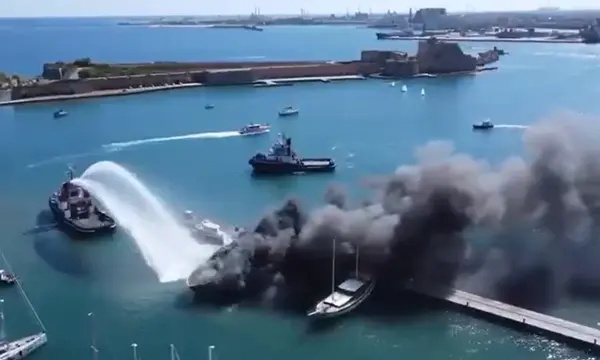
The 30m Sanlorenzo motor yacht JOHN was badly damaged by fire on 3 October at Marina di Brindisi; no injuries were reported among crew …
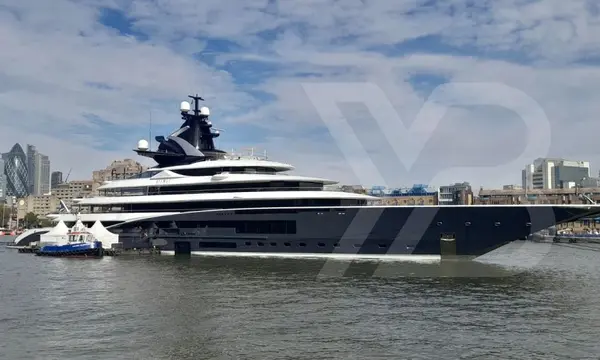
The 122-metre Lürssen superyacht Kismet has returned to central London, mooring near Tower Bridge for a third consecutive autumn visit.
Superyacht Guide
Continue into the wider Superyacht Guide.
Business opportunities · Superyacht Guide
Companies serving the superyacht market can discuss clearly identified advertising, sponsorship and business-profile opportunities. Commercial activity remains separate from independent editorial coverage.