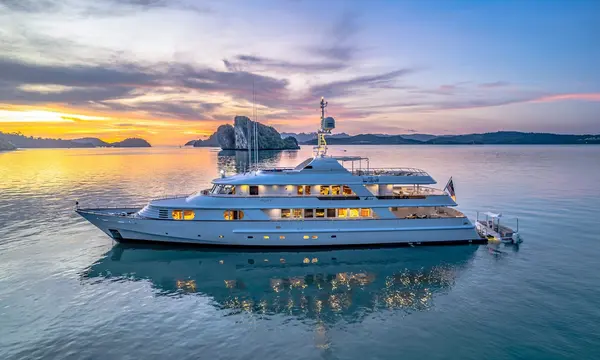
48m CRN AZUL V Stars in Below Deck’s Thailand Season Premiere
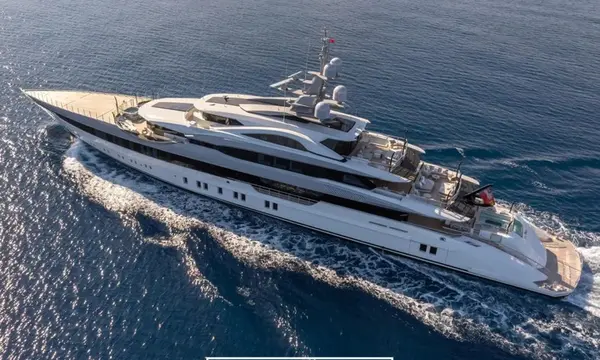
The 48.2m CRN-built AZUL V features in the October 12 premiere of Below Deck Season 13, filmed around Phuket, connecting a working charter yacht …
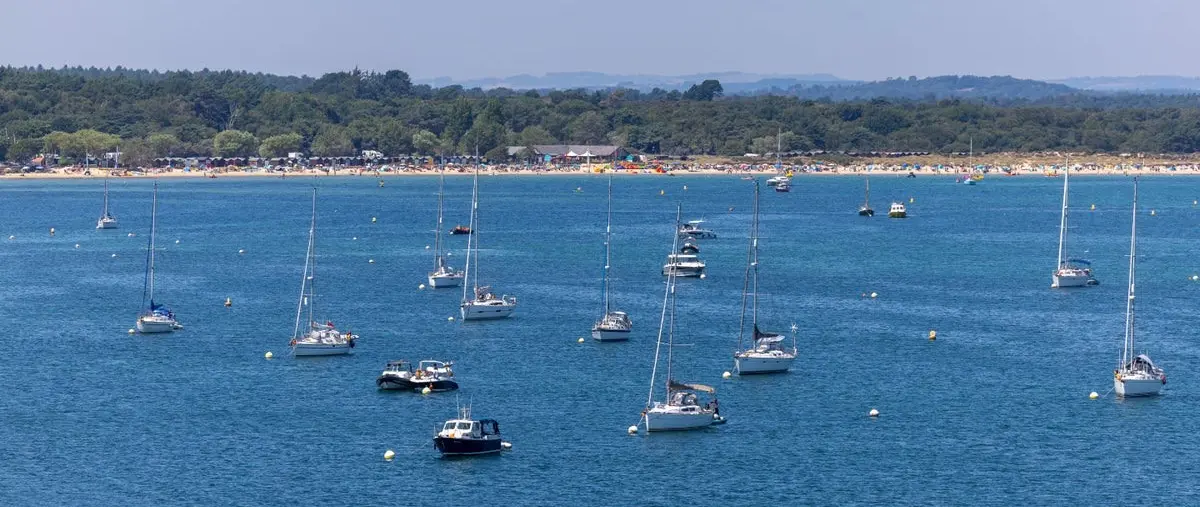
Five years of Studland Bay monitoring found average bare-seabed scars shrank 93.6% around trial eco-moorings, offering evidence for better yacht anchoring practices.
A new study of mooring arrangements in Studland Bay, Dorset, has found substantial recovery in damaged seagrass habitats after traditional chain moorings were replaced with lower-impact alternatives. The research, released by the National Trust on September 21, 2026, provides detailed evidence relevant to yachts and tenders using shallow bays with vulnerable seabed vegetation.
Scientists analysed monitoring information gathered since the Studland Bay Marine Partnership introduced trial eco-moorings in 2021. The work was carried out by Kira Dunn during postgraduate research at the University of Southampton and examined damaged areas where chains and anchors had previously disturbed the plants.
The results are striking, although they relate to measured seabed patches at one UK conservation site rather than an automatic promise for every marina. Recovery depends on local conditions, the length of time physical disturbance has ceased and whether the remaining seagrass can expand into the damaged area.
The researchers used side-scan sonar surveys, historic satellite images and five years of monitoring data to follow changes across 39 damaged seabed areas. Every chain-related scar examined showed evidence of recovery after the ongoing disturbance was removed, according to the National Trust's summary of the findings.
In the area where ten trial eco-moorings were installed in 2021, the average size of bare patches declined by 93.6 percent between 2021 and 2025. The study estimates that damaged patches contracted by around 57 square metres each year in that monitored area.
A second area, where conventional chain moorings remained until 2023, showed a 65.4 percent reduction in scars after the change, equivalent to approximately 15.9 square metres per year. Researchers found no significant change there before 2023, an important comparison supporting the conclusion that removing repeated physical disturbance allowed recovery to begin.
The numerical results describe reduction in bare seabed scars, not a verified 93.6 percent increase in the total area of all seagrass across Studland Bay. This distinction matters when environmental findings are interpreted for policy, yacht owners and commercial mooring operators.
Seagrass meadows provide habitat for marine species, help stabilise sediment and store carbon, making them ecologically significant even where yacht owners may mainly notice clear water and attractive anchorages. Traditional ground tackle can damage these environments when heavy chains drag over the bottom as the vessel changes direction.
Eco-mooring systems seek to reduce contact with the seabed while retaining a suitable means of holding a vessel in place. Their designs vary, and a mooring sized for a small sailing yacht cannot be assumed to have the load rating necessary for a substantial motor yacht or larger tender.
Captains need clear information about holding capacity, permitted vessel size, water depth, swing radius and local restrictions before using any installed mooring. Where anchoring is prohibited or discouraged, the safer and more responsible decision may be to choose an authorised berth or a different location rather than attempting to improvise.
Studland Bay became a Marine Conservation Zone in 2019 and introduced a Voluntary No Anchor Zone in 2021. Its seagrass meadow supports a variety of marine species, including protected seahorses, making the bay a useful setting for examining ways boating can continue while damage is reduced.
The Studland Bay Marine Partnership involves conservation organisations, scientists and water users who have worked together to develop practical mooring alternatives. The study's value lies partly in tracking changes over several years rather than assuming that the presence of new equipment immediately proves ecological benefit.
The findings may help inform the planning of eco-mooring fields in other coastal regions, including parts of the Mediterranean where sensitive seabed habitats overlap with popular yacht routes. Engineering suitability, monitoring and the agreement of local authorities remain necessary before any individual system is installed.
The photograph accompanying this report is an original National Trust image of eco-moorings at Studland Bay, credited to National Trust Images and Brad Wakefield. It records the actual location of the research rather than depicting an invented installation or an unrelated anchorage.
Continue reading
The 48.2m CRN-built AZUL V features in the October 12 premiere of Below Deck Season 13, filmed around Phuket, connecting a working charter yacht …
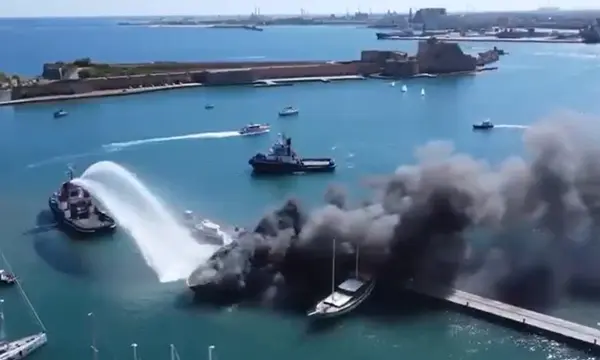
The 30m Sanlorenzo motor yacht JOHN was badly damaged by fire on 3 October at Marina di Brindisi; no injuries were reported among crew …
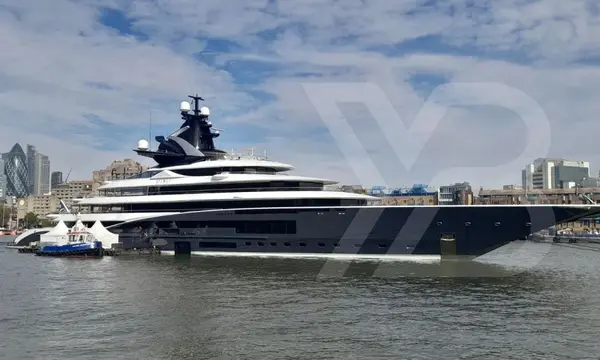
The 122-metre Lürssen superyacht Kismet has returned to central London, mooring near Tower Bridge for a third consecutive autumn visit.
Bilgin Yachts’ 80-metre Al Reem has won the Motor Yacht Over 60 Metres category at the 2026 Design et Al International Yacht & Aviation …
Superyacht Guide
Continue into the wider Superyacht Guide.
Business opportunities · Superyacht Guide
Companies serving the superyacht market can discuss clearly identified advertising, sponsorship and business-profile opportunities. Commercial activity remains separate from independent editorial coverage.