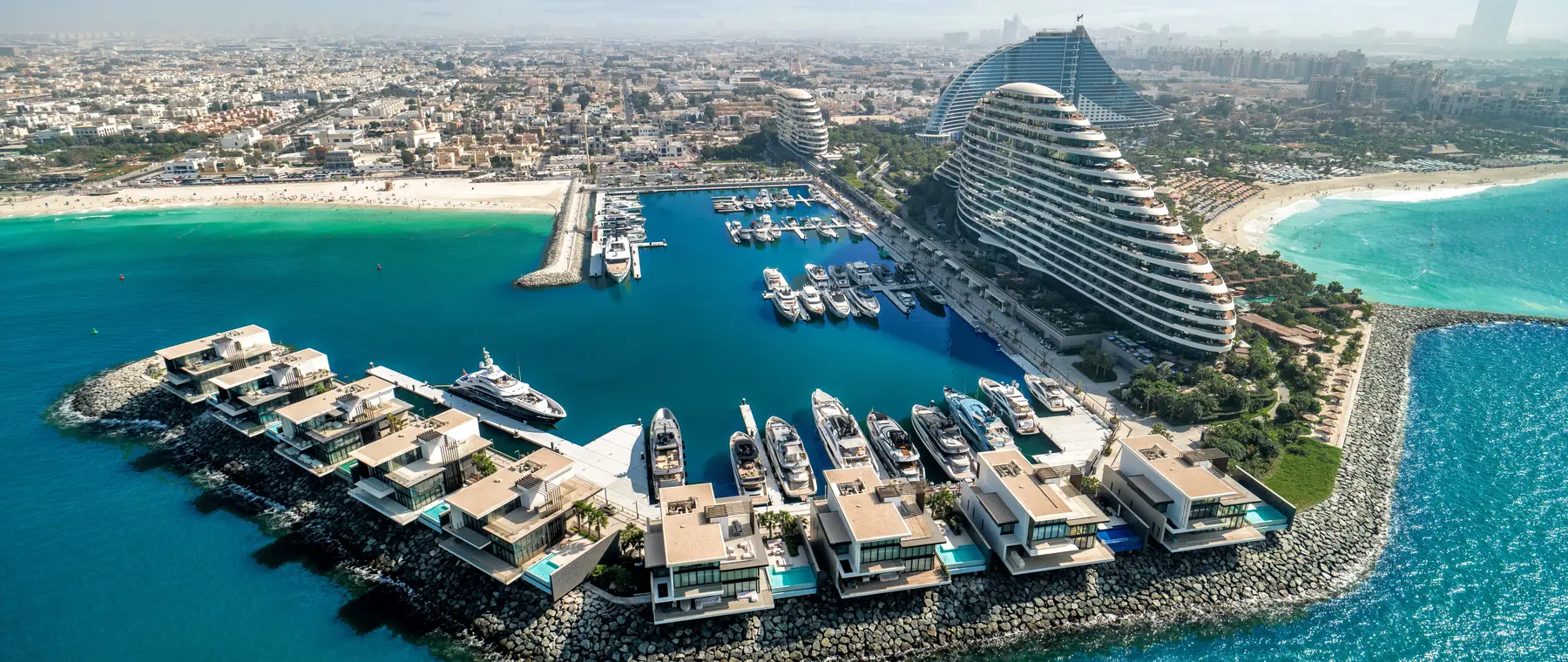
Image: D-Marin / official
D-Marin has outlined a GCC marina-development approach that puts market demand, berth strategy, technical planning and long-term operations ahead of fixed infrastructure decisions.
D-Marin has published its approach to marina development and management across the Gulf, arguing that successful projects should begin with market intelligence and operating strategy rather than berth construction alone. The group says decisions on demand, vessel mix, pricing, utilities and landside infrastructure can determine commercial performance for decades after a marina opens.
D-Marin says developers should establish current and projected yacht demand before fixing the number and size of berths. Its feasibility work can examine ownership patterns, vessel usage, tourism flows, seasonality, competitor occupancy, customer profiles and pricing across a regional market.
Those findings can then influence the berth mix, target customer segments and expected ancillary revenues rather than forcing the commercial model to fit a pre-determined layout. Financial modelling can also test capital expenditure, operating costs, revenue assumptions and different occupancy scenarios before construction decisions become difficult to reverse.
The group argues that marina layouts should be reviewed from the perspective of daily operation as well as engineering compliance. Water depths, fairways, manoeuvring areas, pontoons, mooring systems and utilities all need to work with the vessel sizes and customer profile the marina is expected to serve.
Landside infrastructure is equally important because dockmaster facilities, superyacht support areas, parking, service access, waste systems and fuel operations affect the customer and crew experience. Security, CCTV, connectivity and access control are more effective when included during development rather than added shortly before opening.
D-Marin points to experience at Dubai Harbour, Marsa Al Arab and Port De La Mer as examples of different marina concepts within the same regional market. A superyacht destination linked to luxury hospitality requires a different berth mix and service model from a residential-community marina or a more commercially focused facility.
The company therefore argues against reproducing one standard blueprint across the Gulf. Local demand, destination positioning, vessel size, surrounding development and the role of the marina within a masterplan should determine how each project is configured and operated.
As construction nears completion, D-Marin says attention needs to shift toward permits, staffing, training, systems, pricing, sales and customer acquisition. Pre-opening promotion can also build awareness among owners and captains before the marina begins full operation, helping a new destination develop commercial momentum earlier.
Once open, the performance of a marina depends on how effectively infrastructure, staff, service providers and customers interact over many years. D-Marin’s central argument is that a project should therefore be designed for long-term operational performance rather than judged only by how impressive it appears at launch.
Official sources: www.d-marin.com.
Explore
Go deeper into the yachts, companies, events and destinations directly connected to this article.
Continue reading

D-Marin is using Cannes and Genoa to demonstrate berth booking, Smart Sensor monitoring and utility tracking across a network of 28 marinas.

D-Marin's Marsa Al Arab in Dubai has received 5 Gold Anchor, Clean Marina and Superyacht Ready accreditations in a three-part marina recognition.

D-Marin's new Marin-Up programme will rotate graduates through harbour operations, customer experience and corporate projects across its international network.
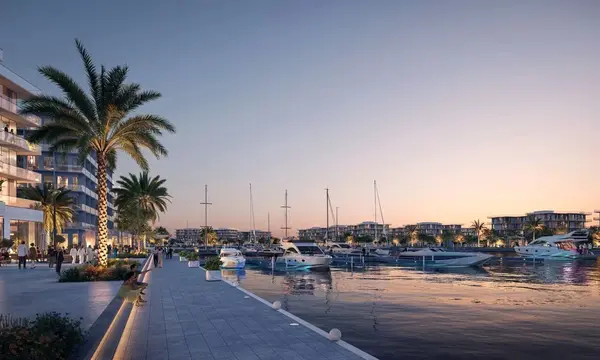
D-Marin will advise on market demand, feasibility and design for BAYN's planned 204-berth marina at Ghantoot between Abu Dhabi and Dubai.
Superyacht Guide
Continue into the wider Superyacht Guide.
Business opportunities · Superyacht Guide
Companies serving the superyacht market can discuss clearly identified advertising, sponsorship and business-profile opportunities. Commercial activity remains separate from independent editorial coverage.