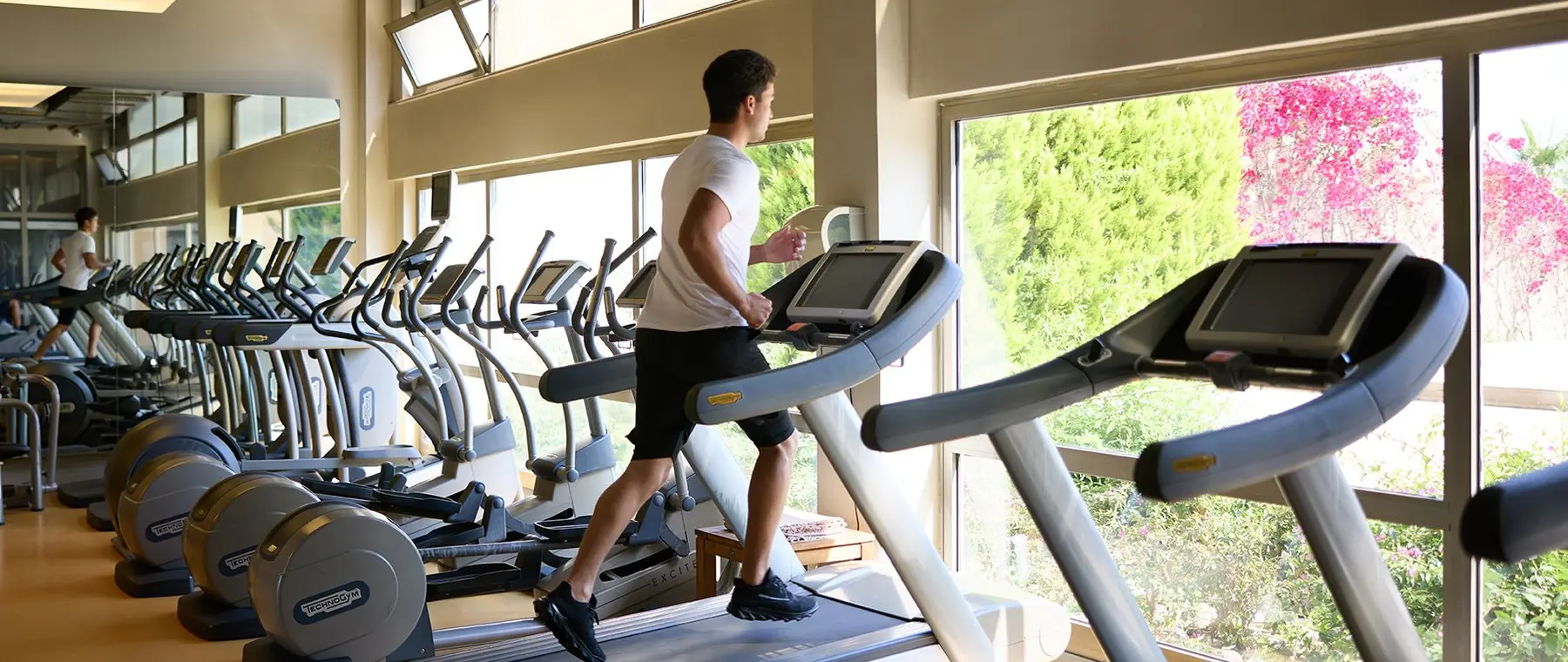
Image: D-Marin / official
D-Marin is positioning winter home ports around crew welfare as well as yacht operations, combining community, wellness, shoreside access and digital administration.
D-Marin has set out a post-season crew-welfare model for yachts moving from intensive summer programmes into winter home ports. The marina group argues that secure berthing and technical infrastructure are only part of the requirement, with professional crews also needing community, physical recovery, convenient travel and lower administrative workload during longer seasonal stays.
D-Marin says crew arriving after a demanding summer season benefit from opportunities to meet people outside their own vessel and rebuild a normal social routine ashore. Its examples include crew gatherings at Porto Mirabello, informal meeting points such as the winter pontoon café at Camille Rayon and organised wellness activities.
That social dimension can matter during long winter periods because yacht crews often work and live within the same small team for months at a time. A marina that encourages interaction between vessels can provide a broader professional community while also helping newly arrived crew settle into an unfamiliar destination.
The group highlights proximity to airports, restaurants, shops, medical services and marine suppliers as part of crew welfare rather than treating those features only as destination marketing. Easy transport is especially important during crew rotations, training periods and home leave when personnel may be travelling internationally.
Access to local services also reduces the amount of time crew spend solving routine problems away from the yacht. For captains and managers, a practical winter base can make recruitment, rotation planning and maintenance periods easier to manage while allowing off-duty crew to use their time more effectively.
D-Marin points to facilities at Turgutreis and Didim that combine spa and gym amenities with the infrastructure needed to support yachts during seasonal maintenance. Didim also has a 400-tonne travel lift, illustrating how crew-focused services and technical yard capability can coexist within one winter destination.
Gouvia in Corfu is presented as another model, offering extensive green space, sports facilities and communal areas around a large marina. These amenities do not replace formal welfare support, but they can help crews maintain physical routines and decompress after prolonged periods of operational intensity.
The company also links welfare with reduced administrative workload through its Digital Marina systems. Smart pedestals and the D-Marin app allow captains to monitor electricity and water use, process payments and manage seasonal berth renewals without repeatedly visiting marina offices for routine tasks.
For busy captains and pursers, small administrative savings can accumulate over a long stay and reduce unnecessary workload during a period intended partly for recovery and preparation. D-Marin’s broader argument is that crew welfare is strongest when social, physical and operational support are designed together.
Official sources: www.d-marin.com.
Explore
Go deeper into the yachts, companies, events and destinations directly connected to this article.
Continue reading
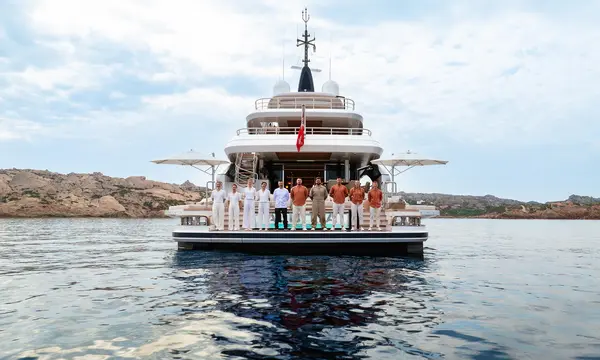
TWW Yachts has launched its 2026 Crew Awards programme, creating four categories covering teamwork, guest experience, individual contribution and onboard content.
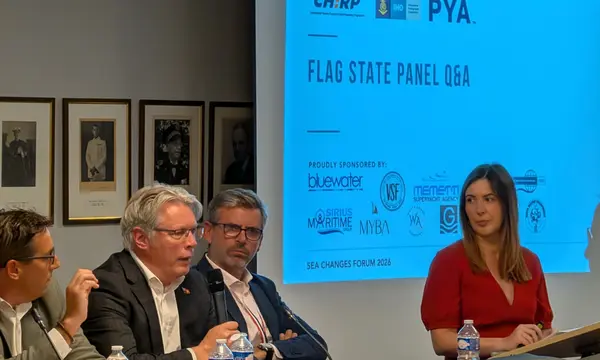
The PYA’s post-event Sea Changes Forum report brings together flag-state safety updates, crew-training priorities, MLC developments and environmental responsibilities for professional yachts.

Transport Malta has issued Yachting Notice 19, setting out accepted manning and crew qualifications for Malta-flag commercial yachts under the sCYC and CYC.
Malta has introduced a risk-based Assistant Engineer manning framework for qualifying Short Range and Extended Short Range commercial yachts below 500 GT.
Superyacht Guide
Continue into the wider Superyacht Guide.
Business opportunities · Superyacht Guide
Companies serving the superyacht market can discuss clearly identified advertising, sponsorship and business-profile opportunities. Commercial activity remains separate from independent editorial coverage.