Company
Professional Yachting Association
Explore the company profile and related Superyacht Guide coverage.
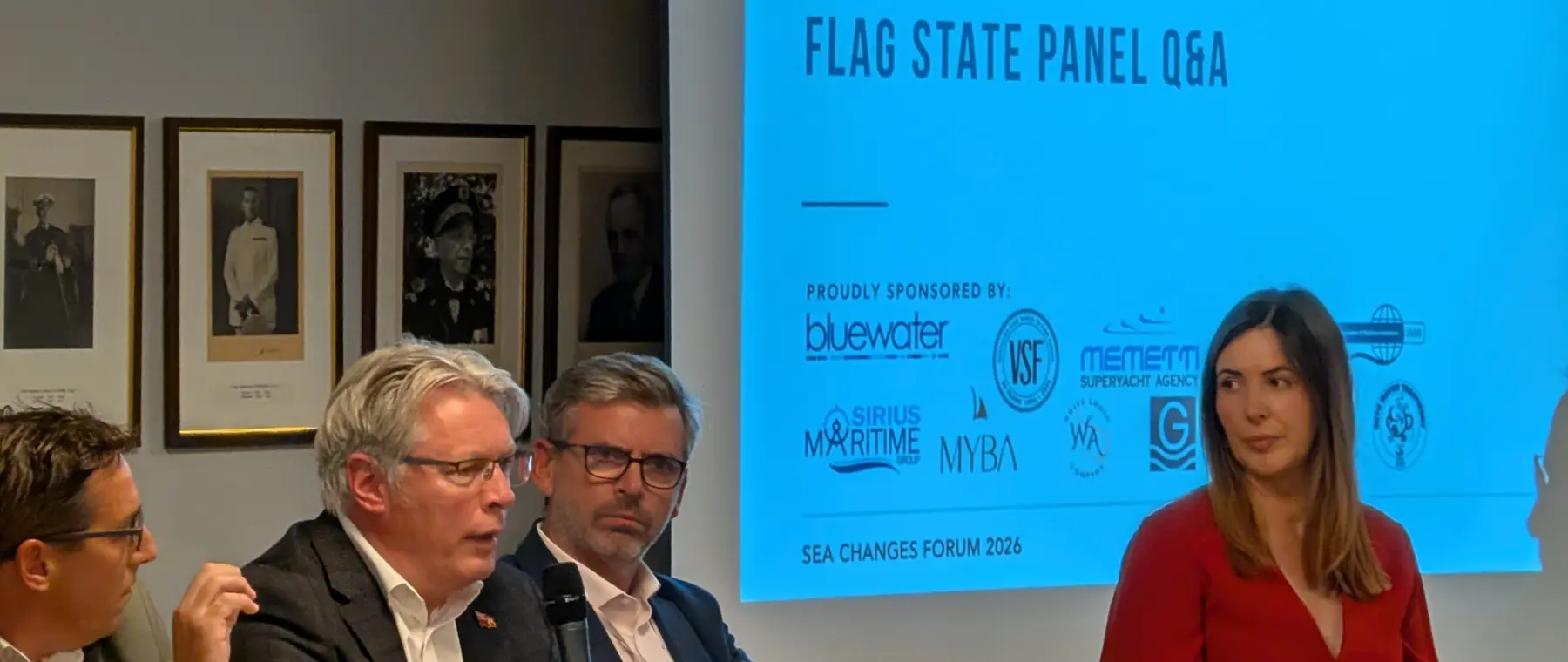
The PYA’s post-event Sea Changes Forum report brings together flag-state safety updates, crew-training priorities, MLC developments and environmental responsibilities for professional yachts.
The Professional Yachting Association has published the principal findings from its 2026 Sea Changes Forum, held at the International Hydrographic Organization in Monaco on 24 September. The programme brought flag administrations, regulators, training bodies and maritime specialists together to examine operational safety, compliance, crew development and environmental responsibilities affecting professional yachts.
Representatives from the Cayman Islands, Marshall Islands, Transport Malta, Gibraltar, Isle of Man and the French International Register used the first forum session to address safety management and regulatory developments. A recurring theme was that well-run yachts should treat statutory compliance as a baseline rather than the endpoint of operational risk management.
That approach matters because serious incidents often involve a combination of procedural, technical and human factors rather than one isolated failure. Captains and managers therefore need systems that encourage reporting, review and corrective action before weaknesses develop into events requiring investigation.
The Marshall Islands contribution examined recent yacht incidents and highlighted practical safety lessons for operators and management teams. Gibraltar also focused on safety management beyond compliance, while Transport Malta and the Isle of Man provided technical and administrative updates relevant to internationally operated yachts.
Flag-state presentations can be particularly useful when they move beyond rule summaries and explain how administrations interpret recurring operational problems. That gives captains and designated-person teams clearer context for audits, onboard procedures, drills and the documentation expected when an incident occurs.
The second part of the forum covered qualification pathways, continuous professional development, UK seafarer training and Maritime Labour Convention updates. Contributors included the Royal Yachting Association, IAMI and the UK Maritime and Coastguard Agency, placing crew competence and working conditions alongside technical compliance.
Modern superyachts require increasingly specialised knowledge across bridge, engineering, interior and deck departments, making structured professional development more important over a crew member’s career. Welfare and working-condition requirements also need to be embedded into management systems rather than handled as separate administrative tasks.
The programme also examined whale protection, forward-looking sonar and crowdsourced bathymetry, linking yacht operation with conservation and improved seabed mapping. The International Hydrographic Organization outlined ways the yachting community can contribute data that supports broader hydrographic knowledge and safer navigation.
Those topics demonstrate how the operational brief for large yachts is expanding beyond navigation and engineering alone. Captains and managers increasingly need to understand environmental restrictions, conservation practices and data-sharing initiatives alongside the established safety and regulatory framework.
Official sources: www.pya.org.
Explore
Go deeper into the yachts, companies, events and destinations directly connected to this article.
Company
Explore the company profile and related Superyacht Guide coverage.
Continue reading
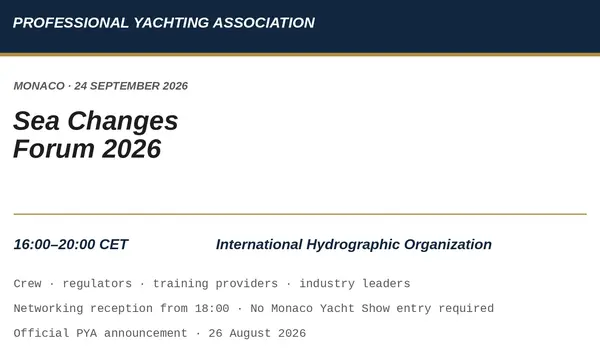
The Professional Yachting Association will hold its 2026 Sea Changes Forum in Monaco, bringing crew, regulators and training leaders together during Monaco Yacht Show …
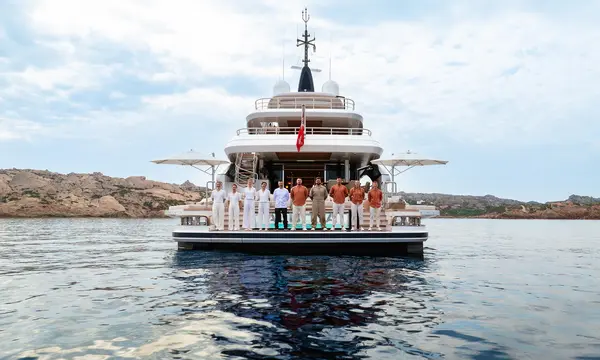
TWW Yachts has launched its 2026 Crew Awards programme, creating four categories covering teamwork, guest experience, individual contribution and onboard content.

D-Marin is positioning winter home ports around crew welfare as well as yacht operations, combining community, wellness, shoreside access and digital administration.
Transport Malta has issued Yachting Notice 19, setting out accepted manning and crew qualifications for Malta-flag commercial yachts under the sCYC and CYC.
Superyacht Guide
Continue into the wider Superyacht Guide.
Business opportunities · Superyacht Guide
Companies serving the superyacht market can discuss clearly identified advertising, sponsorship and business-profile opportunities. Commercial activity remains separate from independent editorial coverage.