Muir Releases Anchoring System Commissioning and Operations Guide for Superyacht Crews
By Superyacht Guide Newsroom · Edited by Superyacht Guide Newsroom
Muir official anchoring system guide exhibitor media asset 2026
Muir introduces Volume II of its anchoring guide at METSTRADE, addressing equipment handover, commissioning, safe operation and maintenance for large yacht crews.
Muir Anchoring Systems has announced a new professional resource at METSTRADE 2026, extending its series of technical publications to address the work of the people who operate anchoring equipment after a yacht has entered service. The second volume of John Muir's Secrets of Anchoring Systems is dedicated to commissioning and operation aboard yachts and ships. Introduced in a company announcement dated 16 November, the publication is available without charge through Muir's own online resource hub and is being presented at the exhibition in Hall 7, stand 07.432. The Tasmanian manufacturer describes the guide as a resource for captains, officers, engineers, owners and deck personnel, intended to complement the documentation for their actual equipment. Its focus is particularly significant for large yachts because the operational knowledge needed by a crew cannot necessarily be inferred from drawings prepared during design and installation. A successful handover needs to connect the original engineering intent with the circumstances in which the system will subsequently be used.
The manufacturer explicitly envisages the new publication being adapted to the vessel's own Safety Management System and used with the appropriate equipment manual. These are distinct functions. A general technical publication can help personnel understand why equipment has been designed in a particular way and which questions merit attention. An equipment manual supplies instructions relevant to a particular installation. The vessel's management procedures then establish how operations will be organised aboard, including responsibilities, communications and arrangements for responding to difficulties. A general industry guide cannot replace the specific instructions and limitations applicable to an individual yacht. Its value lies in helping crews and managers examine whether those documents are understood and consistent with one another. This distinction is especially important when a yacht changes operating team or when major elements of an established installation are replaced. Personnel should not assume that arrangements familiar from a previous vessel can be transferred directly to equipment that may have different characteristics.
One of the subjects identified by Muir is the commissioning and handover of an anchoring installation. In a new-build project, the yard and equipment manufacturer acquire substantial knowledge about the system through design, fabrication and testing. Some of that information may be essential to its continued operation but unavailable to the crew unless it is recorded and transferred deliberately. The handover package can provide a structured connection between these stages. Project representatives should establish that the documents identify the equipment actually delivered, rather than simply describing an earlier version of the specification. The relevant records may include approved drawings, manufacturer's documentation, commissioning results and service requirements. A crew joining the vessel should be able to identify the equipment and its associated controls using the records supplied. Where a refit has modified the system, the corresponding documentation needs to reflect those changes. Muir's guide is intended to assist with this process; it does not itself establish the completeness or approval of an individual yacht's handover package.
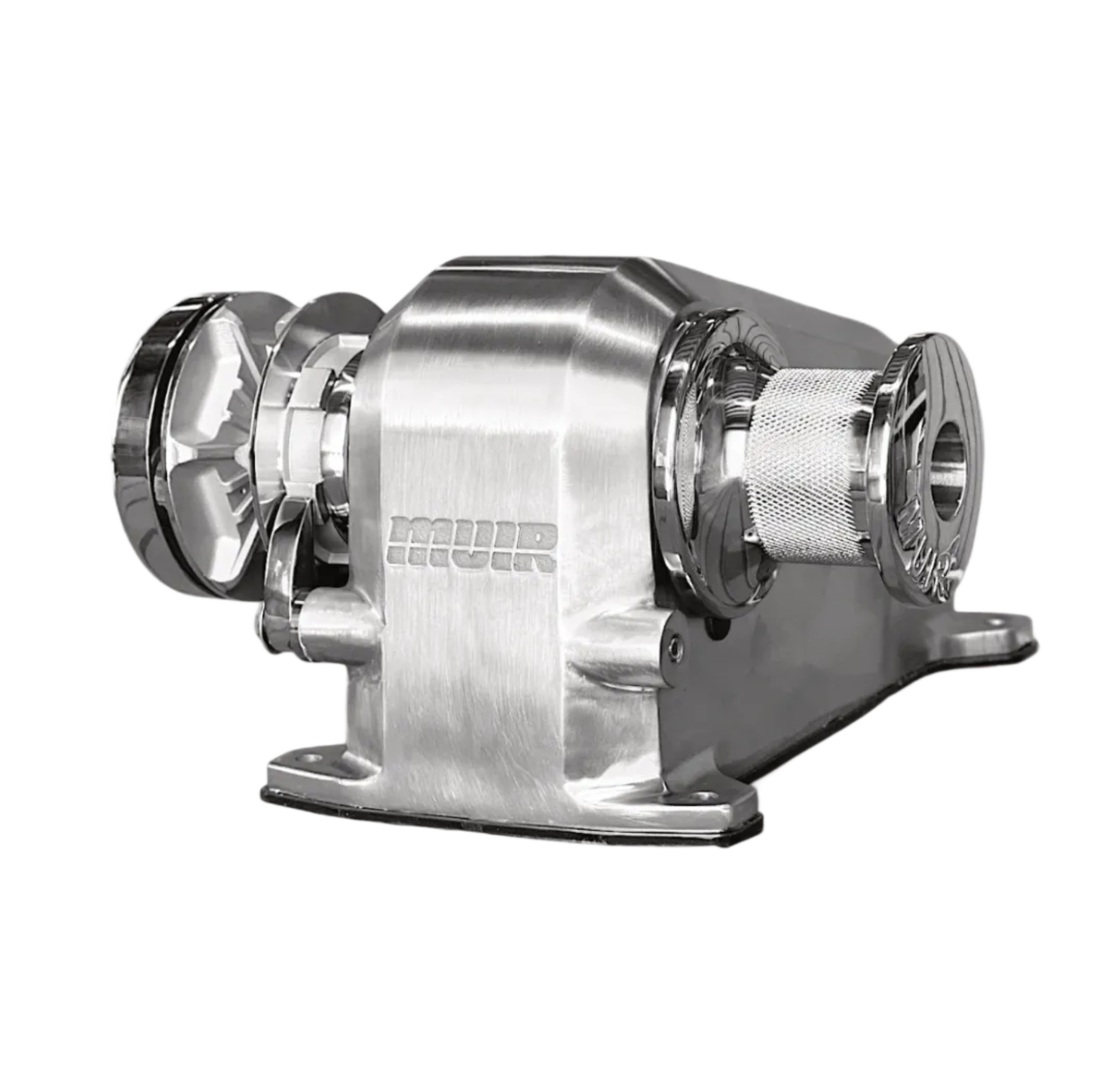
The November announcement draws attention to the importance of understanding the respective functions of the windlass, its brake, clutch and chain stopper. Although these components form part of one installation, they are not necessarily designed to perform the same duties or sustain the same loads under every operating condition. The ability to distinguish their roles is especially important when personnel learn to operate an unfamiliar system. Muir's publication explains the reasoning behind relevant procedures, rather than presenting the machinery solely as a set of controls. For a yacht manager, the practical value of that approach is to help establish whether crew familiarisation includes an understanding of what each component is intended to do. The specific operation of the equipment must nevertheless follow the applicable manufacturer instructions, the vessel's procedures and the direction of qualified personnel. An article reporting the new guide should not be treated as an operational sequence for handling large anchoring equipment. Such operations involve substantial forces and require appropriate vessel-specific planning.
A distinctive feature of the second volume is the inclusion of professional perspectives presented through sections associated with the bridge, engine room and yard. Each of those groups may encounter the installation in a different context. Bridge officers are concerned with the overall vessel operation, including the environmental and navigational circumstances. Deck personnel must manage the practical activity at the equipment itself, while engineers are responsible for relevant technical systems and their condition. Shipyard specialists can contribute information about design and installation decisions that might not be immediately apparent to a person joining the yacht after delivery. A useful safety management approach should connect those perspectives without confusing their respective responsibilities. Communications arrangements are particularly important when the people directing an operation cannot see every part of the equipment from their own position. The new resource is intended to incorporate practical experience alongside the manufacturer's technical knowledge. It remains a starting point for informed discussion rather than evidence that a particular onboard team has been trained.
The guide's scope extends beyond commissioning to retrieval, stowage, the condition of the yacht while at anchor, emergency considerations and maintenance. These subjects concern different circumstances in the operating life of the equipment. Records of recurring problems or difficult operating conditions may reveal the need for technical investigation even when the system remains usable. A yacht manager can also consider how the installation's condition is assessed between major shipyard periods and how responsibilities for inspection and service are assigned. A well-maintained information system should distinguish scheduled work, defects identified during operation and corrective work that has been completed. That distinction can help prevent an issue reported by one crew member from disappearing when a shift or personnel change takes place. The appropriate inspection intervals and acceptance criteria must be established from the actual equipment and applicable vessel requirements. The manufacturer's announcement gives the subjects addressed by the guide, but does not establish universal intervals or limits that can safely be applied to every yacht.
Muir's first volume addresses design, layout and installation, whereas the newly released second volume is directed towards commissioning and professional operation. The third covers the recreational market. Together the publications reflect the fact that decisions taken at different stages of an equipment installation remain related even when responsibility passes between different organisations. A problem encountered in operation may have implications for a later refit project, while a proposed modification can introduce new requirements for familiarisation and maintenance. A captain or engineer considering the renewal of equipment should be able to explain the actual operating difficulty to the supplier rather than request a replacement solely on the basis of its nominal size. Similarly, the design team should understand how the crew expects to operate the yacht. These exchanges can help establish whether a proposed solution addresses the underlying requirements. The guide series is useful in providing context for such discussions across the professional disciplines involved. It does not constitute approval of a proposed modification.
Muir describes the publications as living documents, with an intention to incorporate professional feedback and future developments in later editions. That approach introduces a consideration familiar to management teams responsible for other vessel documentation: the need to know which version is being used. An updated industry publication may contain useful information, but changes to a yacht's operating procedures should be assessed and introduced through the vessel's established management arrangements. Simply replacing an existing document may leave crew members unaware of the significance of a revision. The review process can identify which elements are relevant to the actual installation, determine whether technical clarification is needed and ensure that affected personnel are familiar with any approved changes. The manufacturer established its anchoring equipment business in Hobart in 1968 and continues to manufacture at Kingston, Tasmania. Its stated purpose in producing the series is to make its accumulated engineering experience more useful to the people responsible for the equipment throughout its operating life.
The confirmed development is the release of the second volume, available through the manufacturer's online hub and presented during the Amsterdam exhibition. Muir's general manager Max Buckley and international sales and marketing manager Shaun Hancock are participating in the company's exhibition presence with its distributors. The launch is particularly relevant to professional teams preparing new yacht handovers or reviewing established technical and operational procedures. The guide itself should be obtained from Muir and used in conjunction with equipment-specific documentation and appropriate professional training. Its release does not change the requirements that apply to any individual vessel, nor does it eliminate the need to examine the actual condition and configuration of the equipment. For the superyacht industry, the significance of the publication is the effort to connect the work of equipment manufacturers and shipyards with that of the people who will operate and maintain the machinery during the years following delivery.
Primary source: Muir Anchoring Systems official METSTRADE exhibitor release, 16 November 2026.
Further official information: Muir official guide download portal.
Image: Muir Anchoring Systems, original issuer-supplied media associated with the METSTRADE exhibitor release. Official source.
Explore
Go deeper into the yachts, companies, events and destinations directly connected to this article.
Continue reading

Running a 40m superyacht requires a substantial annual budget for crew, maintenance, fuel, berthing and other operating costs. Superyacht Guide's 2026 model of 322 …
Superyacht Guide's 2026 running cost calculator provides annual, monthly and five-year ownership estimates using either an existing yacht or a planning value. It gives …
A CHIRP Maritime case shows how a single component omitted during engine maintenance allowed a fuel line to fail and spray diesel onto hot …

Crew fatigue on superyachts affects safety, judgement, service, maintenance, crew welfare and compliance, making rest management essential on board.
Superyacht Guide
Continue into the wider Superyacht Guide.
Business opportunities · Superyacht Guide
Companies serving the superyacht market can discuss clearly identified advertising, sponsorship and business-profile opportunities. Commercial activity remains separate from independent editorial coverage.