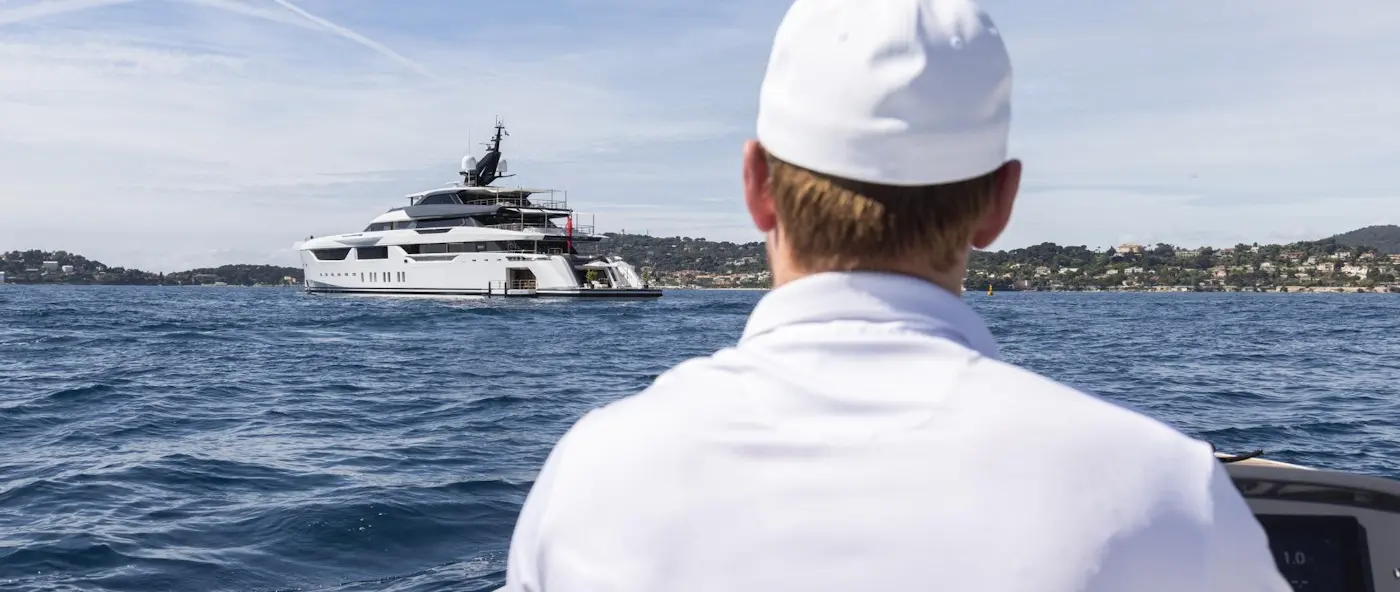
Northrop & Johnson Reassesses Crew Rotation Across Yacht Roles
By Stephen Yardley · Edited by Stephen Yardley
A new Northrop & Johnson crew advisory questions whether rotational employment suits every position, highlighting differences between senior and junior crew and between yacht programmes.
Northrop & Johnson Crew Services has published a new examination of rotational employment aboard superyachts, challenging the assumption that the same leave arrangements suit every position. The advisory, dated 3 November 2026, follows growing interest in predictable periods away from a vessel among crew at different career stages. While rotation has long been associated with experienced captains, engineers and senior personnel, the brokerage and crewing company notes that more junior applicants are now asking about it too. Its central point is not to oppose rotation but to assess it against actual operational needs.
For yacht owners and managers, the question has financial, practical and human dimensions. A rota may improve continuity by helping valued personnel remain in employment over several seasons, but additional crew positions and associated travel have costs. A boat with a demanding charter calendar has a different staffing profile from a privately used yacht with lengthy inactive periods. Decisions about leave therefore belong within a complete crewing plan rather than a standard benefit copied from another vessel without examining why it worked there.
The company draws a distinction between personnel who have already established their professional capabilities and those still accumulating practical experience. A highly experienced officer or department head may be able to leave and return with relatively little interruption to professional development. Junior deck, engineering and interior personnel often learn through repeated exposure to busy operations, maintenance, guest service and informal mentoring. Time aboard can bring unexpected opportunities to demonstrate competence and undertake responsibilities beyond a formal job description.
That is not an argument that junior crew must remain onboard indefinitely. A well-designed rota can support learning when each period at sea has clear objectives and good training supervision. The issue is whether an arrangement allows enough experience to build the skills needed for a subsequent role. Both candidates and employers benefit from being specific: a berth with extended leave may be attractive, but it should be compared with the quality of leadership, the qualifications attainable and the experience the programme will actually provide.
Northrop & Johnson contrasts yachts moving between Mediterranean and Caribbean seasons with those operated privately for only part of a year. On a busy dual-season programme, guest trips, crossings, refits and rapid turnarounds can leave little margin for rest. Rotation may help reduce fatigue and bring a returning crew member back with renewed concentration. This is a legitimate operational consideration because performance depends on people who can make sound judgments and provide consistently careful service, not simply on the total number of hours available on a duty roster.
On a lower-utilisation yacht, the same system might add unnecessary complexity. Extra personnel may need overlapping accommodation, travel arrangements and structured handovers even when the yacht is not frequently occupied. Owners should also consider how rotations interact with maintenance planning, periods in the shipyard and peak guest use. The appropriate pattern may differ between deck, engineering and interior departments. A rota designed for one yacht's calendar is therefore best treated as an example to evaluate, not a template to adopt automatically.
When two people share a position, continuity depends on more than the accuracy of a calendar. Information about recurring faults, planned servicing, guest preferences, suppliers and unfinished tasks must pass reliably between teams. Captains and department heads should decide how handovers are recorded, how responsibility is assigned and who resolves a problem that appears between rotations. An owner expecting uninterrupted service may not notice a successful changeover, but a weak one can expose the whole vessel to avoidable mistakes and duplicated work.
Written records are especially important for technical departments, where a temporary repair or a pending inspection may have consequences weeks later. Interior teams need equally careful communication around sensitive personal preferences and valuable possessions. These systems should respect privacy while giving returning personnel what they need to operate safely. Investing in sound handover procedures can make rotation more effective; it also improves management on yachts where most employees work conventional contracts. The organisational benefit is broader than the leave arrangement itself.
The advisory recognises rotation as a tool for attracting and retaining established crew, particularly on vessels whose operating rhythm creates sustained pressure. Predictable time ashore can support family relationships, rest and a longer career at sea. However, Northrop & Johnson cautions against treating the word rotational as an automatic indicator of a better job. Leadership style, crew culture, qualifications, reasonable leave and genuine opportunities to progress remain essential parts of the employment offer. A poor working environment is not repaired by an appealing rota alone.
For applicants, comparisons should include the total employment package and the actual responsibilities of each posting. For employers, an offer should reflect realistic crew availability and a plan for cover during illness, training or sudden itinerary changes. Contractual arrangements require specialist advice where flag, employment law and operating jurisdictions intersect. The company has published career guidance rather than a universal contractual standard, and owners should resist turning it into one. Practical flexibility can be more valuable than a fashionable single approach.
A useful evaluation begins with the yacht's next twelve months: expected cruising areas, charter commitments, maintenance periods, crew size and the workload of individual departments. Managers can then identify positions where fatigue or retention poses a measurable challenge. The prospective employee should discuss the experience required to succeed and how professional development will continue while away. Both sides need clarity on salary structure, travel responsibility, handover expectations and how unplanned changes will be handled. Those details matter more than a simple on-off rotation ratio.
Northrop & Johnson's message is that sustainability in crewing should be tailored, neither denied to junior personnel nor promised indiscriminately. The debate reflects a superyacht sector in which highly trained employees increasingly consider how a career at sea fits the rest of their lives. Owners who design sensible roles can benefit from dependable service and stronger institutional knowledge. The arrangement succeeds when it meets the vessel's operational requirements while giving the people who run it a credible working future.
Explore
Go deeper into the yachts, companies, events and destinations directly connected to this article.
Continue reading

An IYC and SuperYacht Times panel at Monaco Yacht Show 2026 examined how crew rest, staffing, mental wellbeing and working culture affect the guest …

Silverlining Furniture and F/YACHTING describe how owner-led bespoke furniture and engineered marine craftsmanship are shaping high-end superyacht interiors.
Captain-developed software from Helmwise turns crew notes and handover material into structured records, addressing the loss of operational knowledge when superyacht personnel rotate.
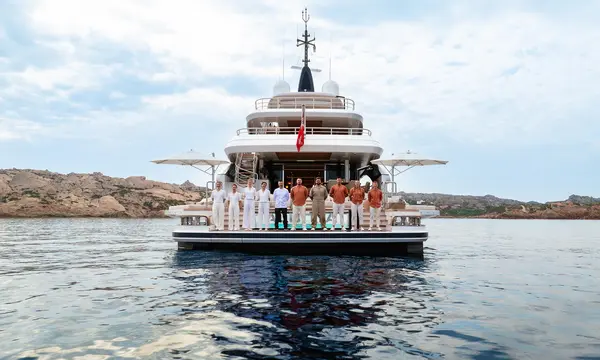
TWW Yachts has launched its 2026 Crew Awards programme, creating four categories covering teamwork, guest experience, individual contribution and onboard content.
Superyacht Guide
Continue into the wider Superyacht Guide.
Business opportunities · Superyacht Guide
Companies serving the superyacht market can discuss clearly identified advertising, sponsorship and business-profile opportunities. Commercial activity remains separate from independent editorial coverage.