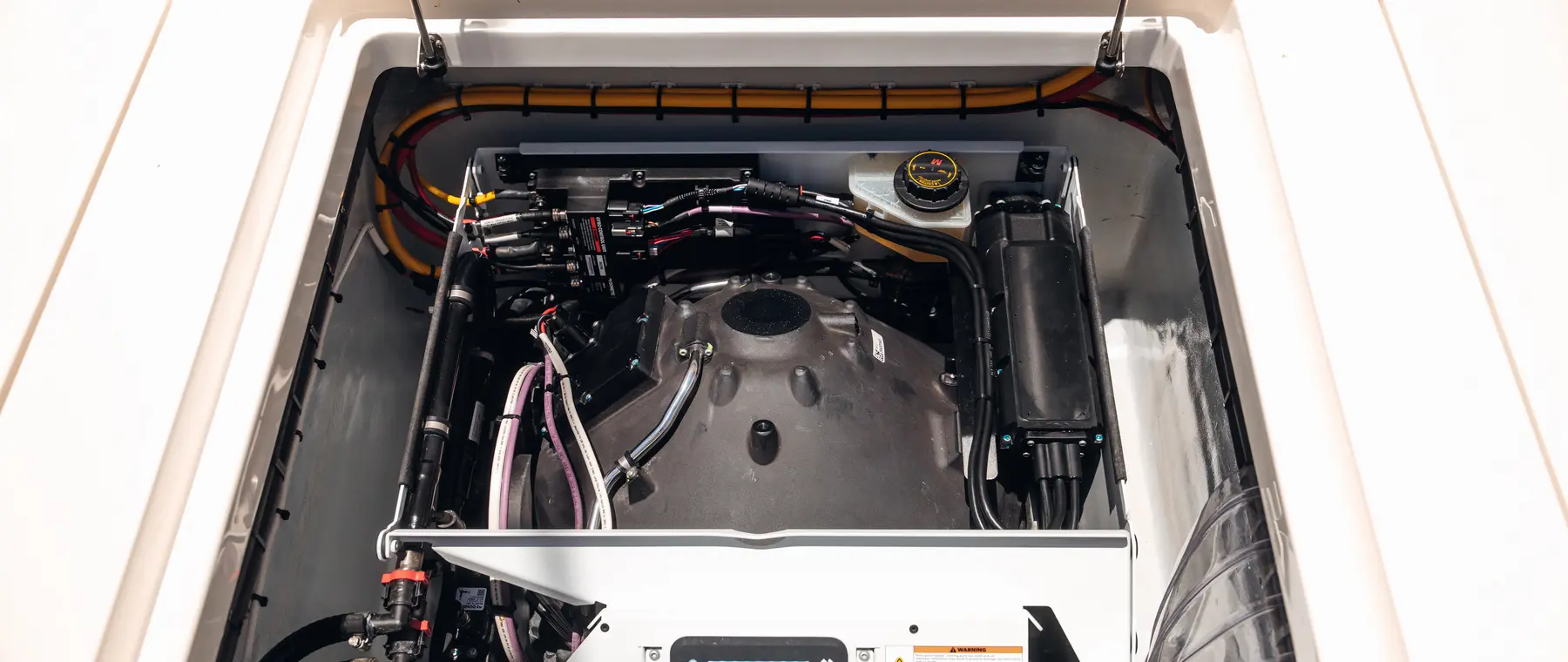
Image: Dometic / official
Dometic is using an offshore-boat installation to explain how its DG3 all-electric gyro stabiliser changes comfort and operation when vessels slow down or stop.
Dometic has published a technical look at the effect of adding gyro stabilisation to an offshore vessel, using its DG3 as the central example. The system uses an all-electric precession actuator rather than a hydraulic arrangement and is intended to reduce roll when a yacht is drifting, moving slowly or sitting at anchor.
Conventional hull form and steering inputs provide less control over roll as a vessel slows, while waves can continue to move the boat substantially at anchor or during fishing and watersports. Dometic positions gyro stabilisation as a way to create resisting torque without relying on forward speed through the water.
That operating window matters to yacht owners because many hours aboard are spent outside efficient cruising conditions. Guests may be swimming, dining, boarding tenders or simply remaining at anchor, so comfort during low-speed operation can influence the usefulness of exterior and interior spaces throughout a day.
The DG3 replaces hydraulic precession actuation with an electric arrangement, reducing the number of hydraulic components associated with controlling the flywheel’s movement. Dometic presents the design as a route to simpler integration and maintenance while retaining the controlled precession needed to generate stabilising torque.
Removing a hydraulic circuit can also affect installation planning because pumps, hoses, fluid reservoirs and associated service points no longer need to be accommodated in the same way. Electrical supply, cooling and structural foundations remain important, but the machinery-space package changes significantly.
A gyro has to be engineered into the vessel rather than treated as a portable accessory because its loads are transferred into the supporting structure. Builders and refit yards therefore need to consider foundation strength, cooling, electrical demand, access for maintenance and the physical route used to install or remove the unit.
For existing yachts, those constraints can determine whether a retrofit is straightforward or requires significant structural work. Early planning also allows the stabiliser to be positioned where weight, service access and noise considerations can be balanced against the rest of the machinery layout.
Gyro stabilisation has moved from a specialist option toward a more common comfort feature across performance and cruising yachts. Dometic’s article reflects that shift by framing the technology around how owners actually use a boat rather than presenting roll reduction only as a technical specification.
The broader engineering question is how much stabilisation is appropriate for a vessel’s displacement, operating profile and available space. A correctly sized system can improve time at anchor and low speed, while an unsuitable installation can add weight and complexity without delivering the expected onboard benefit.
Official sources: www.dometic.com.
Explore
Go deeper into the yachts, companies, events and destinations directly connected to this article.
Continue reading

Dometic Marine is preparing a new purpose-built site in Cabiate, Italy, bringing manufacturing, testing and warehousing together for its marine equipment business.

Daino Technologies is introducing algorithm-driven planning at Amer Yachts' Pisa site, with an Amer 106 construction programme identified for a pilot.
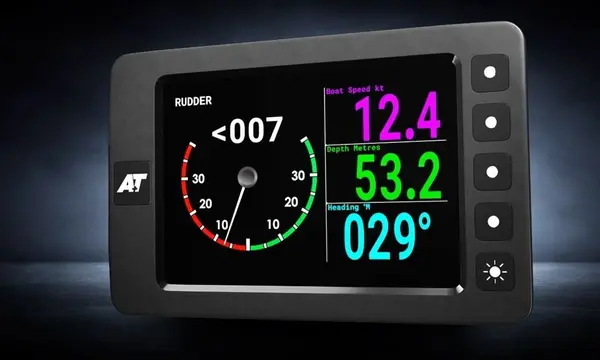
A+T Instruments has unveiled a five-inch HFD5 transflective colour display with NMEA 2000 connectivity, physical controls and Wi-Fi software updates.
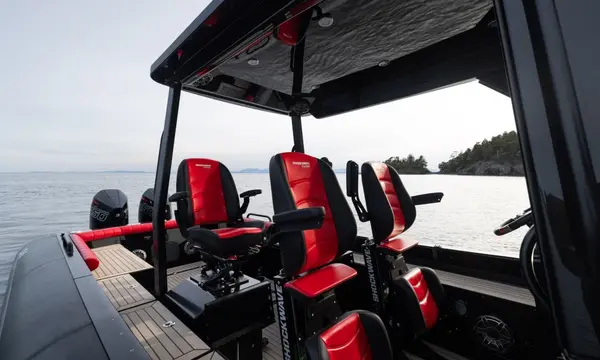
Shockwave Seats is presenting cushioned marine seat bases with 100mm vertical and 38mm forward movement for rough-water applications including superyacht tenders.
Superyacht Guide
Continue into the wider Superyacht Guide.
Business opportunities · Superyacht Guide
Companies serving the superyacht market can discuss clearly identified advertising, sponsorship and business-profile opportunities. Commercial activity remains separate from independent editorial coverage.