
Marine Results Gains Unrestricted RINA Approval for Superyacht Rigging Surveys
Marine Results International has become a RINA Approved Service Supplier for mast and rigging surveys with no restriction on yacht size or rig type, …
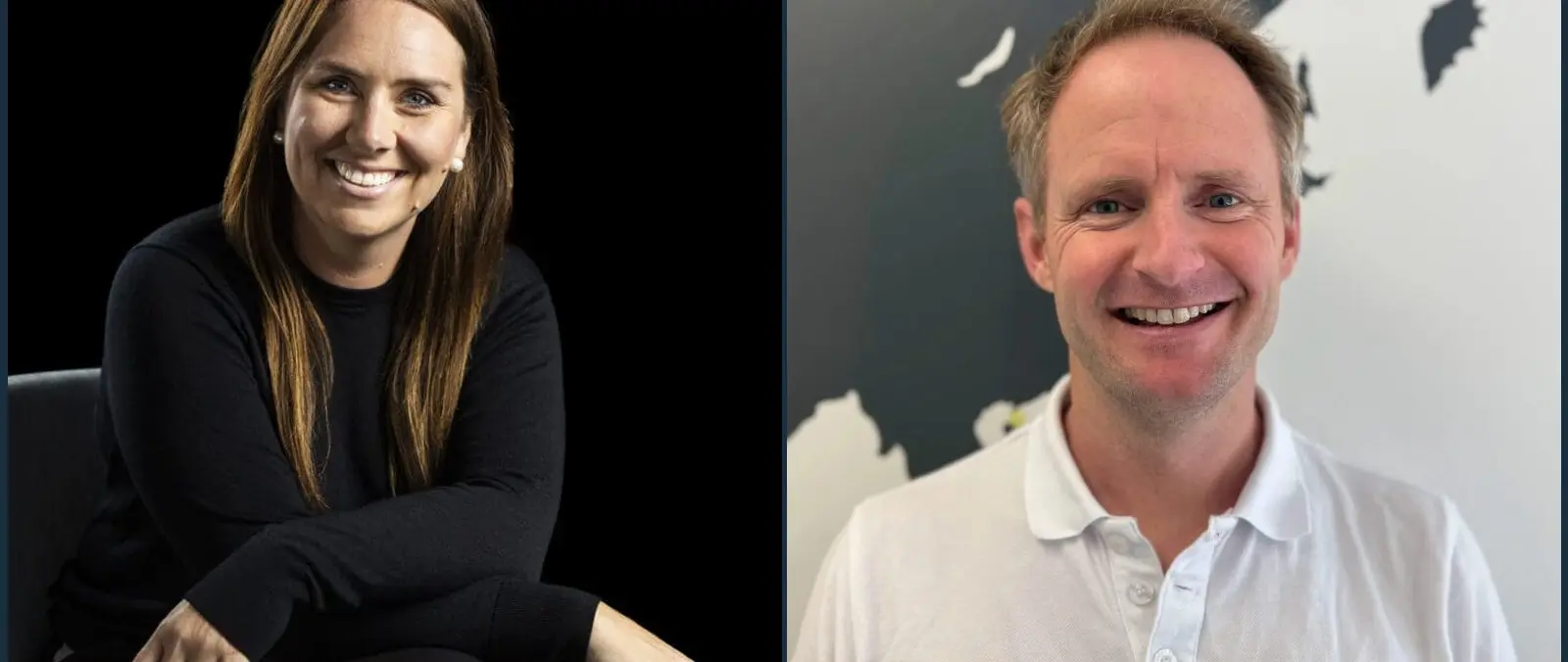
Doyle Sails appoints Emma Hendy chief executive and James Sandall finance chief, while Mike Sanderson and David Duff retain client-facing leadership roles.
Doyle Sails has appointed Emma Hendy chief executive officer, moving her from chief commercial officer into responsibility for its wider business and international loft network. The New Zealand-founded sailmaker announced the change from Auckland as part of a reorganisation of its global leadership team. The appointment matters beyond the executive office: Doyle makes and services sails for racing programmes, private cruising yachts and superyachts whose requirements depend on coordination between design, production and local support.
The company also named James Sandall chief financial officer and set out a division of duties under which senior sailing figures Mike Sanderson and David Duff remain closely involved with owners, designers and on-water programmes. The company describes the arrangement as a way to align commercial direction and day-to-day operations while keeping experienced sailing leadership accessible to clients. Doyle did not disclose financial terms, ownership changes or an acquisition in the announcement.
Hendy joined Doyle Sails in 2016 as a project manager. The business says she helped develop its direction after Mike Sanderson, Richard Bouzaid and David Duff took ownership in 2017. She became chief operating officer in 2019 and moved to chief commercial officer in 2022, placing her at the intersection of customer development, commercial planning and loft operations before the latest appointment. The succession is therefore internal, built around an executive who has already worked across major functions.
The progression provides useful context for a sailing business that operates through both company-managed facilities and independently licensed lofts. A project manager encounters delivery schedules, specifications and the consequences of missed coordination; an operations chief handles capacity and standards; a commercial chief must connect those realities to customer expectations. That sequence does not guarantee the outcome of a leadership transition, but it explains the expertise Doyle says it is seeking to bring together in the CEO role.
Under the announced structure, Sanderson continues as president and David Duff as vice president. Both will focus on relationships with the market and on-the-water engagement, including work directly with owners, yacht designers and sailing teams. Hendy will lead the commercial and wider corporate responsibilities, supported by chief operating officer Marko Kuunarpuu and the new finance chief. Doyle is not describing the appointment as the retirement of Sanderson or Duff, nor has it said they are withdrawing from sailing projects.
For owners and captains, the distinction is practical. Sail technology decisions often require involvement from designers, production teams and specialists who understand a particular boat's handling characteristics. At the same time, quotations, delivery slots and service arrangements need reliable management behind the scenes. Separating customer-facing expertise from executive oversight can allow each activity to receive attention, although how this affects turnaround times or capacity will only become clear from subsequent operations.
Doyle also appointed James Sandall as chief financial officer. The company says he has worked in financial leadership across North Technology Group's marine and sailmaking activities, including Quantum Sails, Future Fibres and Southern Spars, and continues to work across the wider group. The source announcement does not define a new transaction between the businesses, so the appointment should be understood as a personnel and management change, not evidence of a merger or product integration.
Sailmaking has significant working-capital and manufacturing demands. Materials procurement, specialist labour, shipping and design resources all need to be managed alongside seasonal demand from races and cruising programmes. Financial oversight can affect how a company funds inventory, allocates tooling and supports service. Those are general operational considerations rather than Doyle's disclosed strategy for Sandall; the announcement contains no investment plan, sales forecast or profitability target associated with his appointment.
The leadership team supports Doyle operations in New Zealand, Newport in the United States, Palma in Spain, the Solent in Britain, and Palermo and La Spezia in Italy. The company additionally describes a network of 50 licensed lofts providing regional service. Those locations are significant for yachts because sail repair and replacement may need to be coordinated far from the factory that produced the original cloth or membrane.
A global network is not simply a list of branches. Service quality depends on how accurately a measurement is transferred, how a sail is documented, how repair findings reach the designer and how delivery is coordinated around a vessel's itinerary. Hendy's previous work across the loft network, as described by Doyle, is relevant to that challenge. The release does not say that all licensed locations provide identical services, or that every repair can be completed locally.
Large sailing yachts create demanding project schedules. A sail must suit the yacht's rig, its intended usage, crew preferences and the restrictions of handling equipment on board. An owner commissioning a replacement is buying more than fabric: advice, measurements, a dependable production sequence, fit and post-delivery support all influence the result. Doyle's leadership announcement is therefore relevant to the service ecosystem supporting sailing superyachts as well as to the brand's racing customers.
The company has not announced new products, performance figures or changes to its existing sail warranties in connection with Hendy's appointment. It would be premature to portray the reshuffle as a technical breakthrough. Its immediate significance lies in management responsibility and in the continued presence of senior sailors in client-facing roles. Operational improvements, if any, would need to be measured later against demonstrated service delivery.
Doyle's work across racing, performance cruising and superyacht sailing means its teams encounter different priorities. A grand-prix campaign may place maximum emphasis on weight, shape and repeated competitive use; a long-range cruiser may prioritise handling, durability and servicing options. Superyachts can combine high-performance rigs with practical requirements for reliability, guest comfort and extended voyages. This diversity helps explain why a sailmaker needs local specialists supported by a coherent technical operation.
No single sail specification is appropriate across those segments. Decisions about materials, reefing arrangements and service intervals depend on the boat and its programme. Doyle's announcement does not assign specific design targets to the new CEO. However, retaining leaders with active sailing relationships while consolidating management may be intended to preserve communication between real-world experience and product development. That is an editorial reading of the structure, not a performance claim made by the company.
A leadership succession can either interrupt or strengthen customer continuity. Doyle has chosen an executive who has worked inside the business for about a decade, rather than presenting a complete change of direction through an external appointee. Mike Sanderson credits Hendy with helping develop the brand and unite the loft network, according to the company's announcement. His assessment is a statement from Doyle leadership rather than independent evidence about future financial results.
The business also emphasises that the owner, designer and sailing-team relationships remain part of Sanderson's and Duff's roles. That offers a clear description of intended continuity for existing clients. It does not establish whether regional staffing, pricing, commercial contracts or product schedules will change. Owners with projects underway should obtain information for their particular orders through the responsible loft instead of relying on a general leadership announcement.
The company has not released annual revenue, employee totals, planned capital spending, new equity arrangements or a full corporate reporting chart. Nor does the statement identify a change of parent company, a factory closure or an expansion of manufacturing output. Those omissions matter when assessing reports of an executive restructure. It is possible to describe the announced appointments and division of responsibilities precisely without turning them into unsupported claims about consolidation or restructuring costs.
Similarly, Doyle's reference to a 50-loft licensed network should not be interpreted as 50 wholly owned factories. Licensees and company operations may have different legal and commercial structures. The release distinguishes central leadership from its broader licensed network but does not publish each entity's ownership. For a client deciding who is responsible for a contract or warranty, the relevant written agreement remains more important than an informal understanding of the overall brand.
For clients, useful indicators of a well-executed leadership transition include clear project ownership, accurate handoffs between design and production, reliable scheduling, consistent service communications and ready access to technical expertise when a yacht moves between regions. These are reasonable standards by which to assess any international sailmaker. They are not metrics that Doyle says it has already improved as a result of the 2026 changes.
A global sailing season creates competing demands from racing calendars, refit periods and cruising itineraries. Balancing them requires management capacity as much as design knowledge. Hendy's appointment places explicit executive responsibility with a leader who has experience of both operations and commerce, while the company keeps high-profile sailing figures engaged with clients. The effectiveness of that structure will depend on implementation rather than the titles alone.
The verified news is straightforward: Emma Hendy becomes Doyle Sails CEO, James Sandall joins as CFO, Marko Kuunarpuu remains COO and Mike Sanderson and David Duff continue in president and vice-president roles focused on customers and sailing. Doyle is positioning the arrangement as a closer link between commercial leadership, operational management and the international loft community. The announcement is relevant to superyacht owners, designers, captains and race teams that rely on coordinated sailmaking services.
Superyacht Guide will follow practical developments as the new team establishes its programme, including any announced changes to manufacturing, technology or services. Until then, the correct account is a management transition at an established sailmaking company, not a new sail launch or an unverified expansion. This article is based on Doyle Sails' own leadership announcement; the discussion of operational implications is independent editorial analysis.
Source: Doyle Sails — leadership announcement, November 2026. The linked company release is the primary factual source for this editorial report.
Continue reading
Marine Results International has become a RINA Approved Service Supplier for mast and rigging surveys with no restriction on yacht size or rig type, …
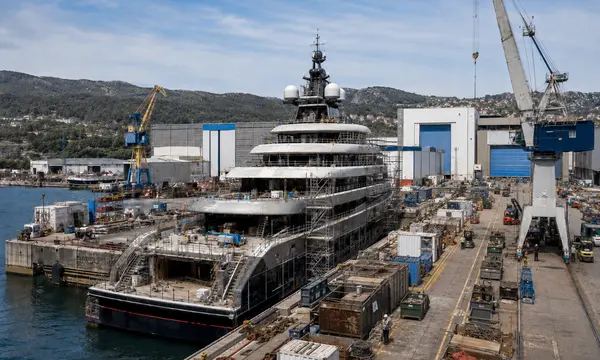
How owner deposits and stage payments help fund superyacht construction, why the model carries risk and what real shipyard cases teach buyers.
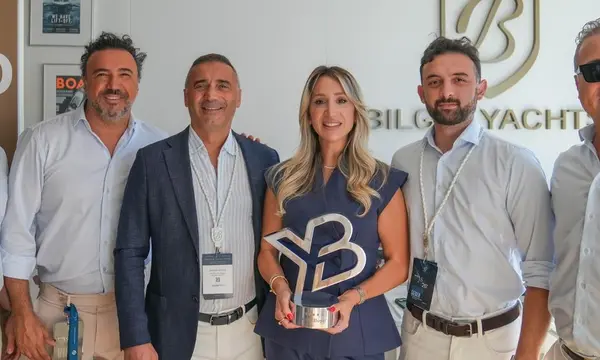
Bilgin Yachts has received the YachtBuyer Hall of Fame trophy for the 49.95-metre CAMILA after the review programme awarded her an overall five-star rating.
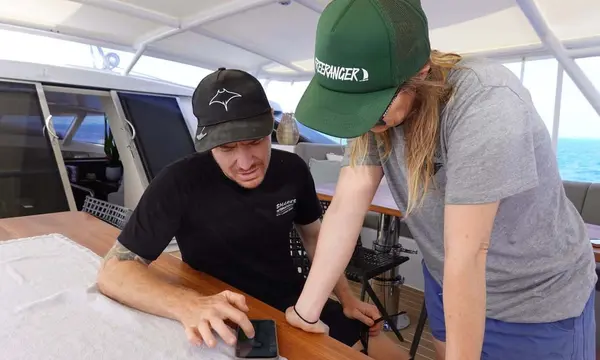
The 37m sailing yacht RADIANCE hosted the first joint manta-ray surveys by Fiji and New Zealand researchers in the northern Lau Group, documenting baseline …
Superyacht Guide
Continue into the wider Superyacht Guide.
Business opportunities · Superyacht Guide
Companies serving the superyacht market can discuss clearly identified advertising, sponsorship and business-profile opportunities. Commercial activity remains separate from independent editorial coverage.