DVZ OILCHIEF Oily-Water Separator Brings Bilge Discharge Compliance Into Refit Focus
By Superyacht Guide Newsroom · Edited by Superyacht Guide Newsroom
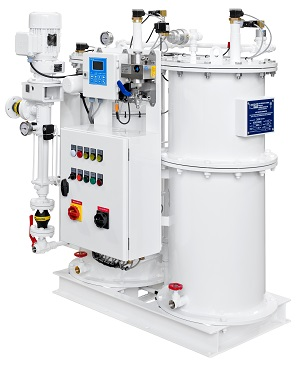
DVZ OILCHIEF Oily-Water Separator Brings Bilge Discharge Compliance Into Refit Focus — first-party photo SYG News 24 Nov 2026 batch08
DVZ’s OILCHIEF oily-water separator is promoted for marine bilge treatment, with a range of capacities and stated compliance with IMO MEPC.107(49).
Oil-contaminated water is an everyday machinery-space concern that can become a serious environmental and compliance problem if it is handled incorrectly. DVZ-SERVICES GmbH is listing its DVZ-FSU OILCHIEF oily-water separator in the METSTRADE 2026 superyacht equipment catalogue, describing a compact range with stated capacities from 150 to 10,000 litres per hour. The supplier refers to type approval under IMO resolution MEPC.107(49), offers a stainless-steel option and promotes features including jet-wash oil drainage and an optional separately approved bypass function. These statements are relevant to the engineering choices of large-yacht owners, but they should not be mistaken for permission to discharge bilge water in any location. The actual machinery arrangement, approvals and crew procedures are the basis of lawful operation.
The bilge can collect water from several sources, including equipment leakage, condensation and maintenance activity. Some of that water may contain oil, fuel residues, detergents or other contaminants. It must be treated and managed under the vessel's applicable environmental and operational requirements. A separator is one possible component in that process, not a universal solution for every kind of waste stream. The crew should understand the difference between ordinary bilge drainage, waste oil, contaminated wash water and residues that require disposal ashore. Mixing incompatible streams can make treatment more difficult and create compliance risks. Good bilge management therefore begins with preventing leaks and keeping waste categories appropriately segregated.
DVZ's official exhibitor listing identifies the FSU OILCHIEF family and provides a stated range of 150 to 10,000 litres per hour. The published features include a compact footprint, a pump that may be used separately for transfer in some configurations, and the option of stainless construction. It also mentions jet-wash oil drainage and an optional type-approved bypass function. These are catalogue-level product details; the correct model, capacity and permitted operating modes require individual specification. The page does not demonstrate that every unit has every option or that all possible contaminants are treated to the same standard. A technical manager should request the current model documentation and confirmed approval scope.
IMO resolution MEPC.107(49) concerns revised guidelines and specifications for pollution-prevention equipment associated with machinery-space bilge treatment. It is important for equipment selection, but a supplier's stated compliance should be verified through the certificate relevant to the exact model. The yacht's broader duties will also depend on its size, flag, operating area and applicable international and national rules. Equipment type approval does not guarantee that an installed system will remain compliant if its alarms, sampling arrangement or discharge plumbing are incorrectly configured. The owner should consult the relevant flag administration, class surveyor and current regulations rather than rely solely on a sentence in an exhibition catalogue.
An hourly throughput figure can be useful for estimating processing time, but engineers should not choose the largest published capacity without first understanding the vessel's sources and volumes. A modern yacht in good mechanical condition may generate relatively little oily bilge water during normal operation, while an incident or maintenance task can produce a temporary increase. The machinery-space drainage system, collecting tanks and transfer pumps all influence what a separator will receive. The appropriate capacity should allow manageable operating cycles without requiring the separator to run through unsuitable mixtures. Engineers should also confirm inlet limits, the effect of emulsified oils and how performance changes with contamination type.
The manufacturer highlights compact construction and easy installation, which can be attractive during a refit. Space is often tightly allocated around generators, cooling equipment and tanks. Yet a separator requires sufficient room for inspection, cleaning, replacement components and safe isolation. A unit positioned behind large pipework may work well initially but become difficult to maintain after handover. The design review should show removable parts, access to drains and the route for servicing pumps and valves. Waste handling must also be considered: collected oil or sludge needs a suitable receiving arrangement. Saving floor area should not come at the cost of making responsible operation difficult for the engineers.
DVZ mentions an optional type-approved FSU bypass function in the official product entry. A buyer should establish precisely what the function does, which configurations are approved and how it is protected against misuse. The word bypass is particularly sensitive in pollution-control equipment because an inappropriate connection could allow untreated waste to reach an overboard outlet. No crew should interpret the catalogue statement as permission to bypass treatment. A vessel-specific piping diagram must identify all possible flow paths, isolation valves, alarms and discharge points. During commissioning, the yard and surveyor should verify that the installed arrangement follows its approval documentation and that staff understand the restrictions attached to each operating mode.
A separator may incorporate or connect to monitoring systems intended to prevent discharge when effluent conditions are outside permitted limits. The exact equipment and shutdown logic for a proposed OILCHIEF installation need to be established from the maker's detailed specification and the approval certificate. Operators should know how status is displayed, how alarms are acknowledged and how the system reacts to sensor or pump failure. Alarm history can be useful for maintenance, but it is not a substitute for authorised sampling or checks required by applicable rules. A well-designed installation should fail toward a safe condition rather than continue discharging on an assumption that the separator is functioning normally.
The effectiveness of oily-water equipment can decline if components foul, filters become blocked or sensors are not maintained. A planned-maintenance programme should follow the manufacturer's instructions for cleaning, inspection and calibration where required. Engineers should not improvise with unapproved chemicals or disable a fault indication to keep the equipment running. When operation is suspended, the yacht needs sufficient holding capacity or a lawful alternative disposal plan. The maintenance record should document defects, servicing and relevant tests. A separator that appears physically intact may not be operating correctly, so the crew must evaluate its performance using the specified checks rather than relying only on a visual inspection.
The maker lists jet-wash oil drainage among OILCHIEF's features. That may assist in removing accumulated oil or contamination from a treatment component, but the public catalogue does not explain the full cleaning cycle or its consumption of water and other resources. The purchaser should ask how recovered residues are collected, how frequently cleaning is required and what facilities the yacht needs to carry out that work. A cleaning process that transfers waste to another tank does not eliminate the need to dispose of that waste responsibly. Maintenance plans should identify approved containers and reception facilities for oil-rich residues and avoid any assumption that all resulting liquid may be returned to the bilge or discharged.
A stainless-steel version is offered in the supplier's product description. That option may help with certain operating or maintenance requirements, but material choice should be based on the actual liquids, service environment and design details. Stainless components are not inherently immune to all forms of corrosion. Pipes, flanges, pumps and dissimilar-metal connections need appropriate selection and installation. For a yacht operating in salt-laden machinery spaces, moisture control and routine inspection remain important. Buyers should compare the complete wetted-material schedule rather than treating a stainless housing as proof that every internal component is made from the same material or can tolerate every cleaning agent.
A compliant-looking installation can fail operationally if staff do not know when it may be used or how to record the relevant activity. The chief engineer should ensure that procedures reflect the yacht's flag requirements and applicable rules concerning oily-water handling and records. Crew should understand how bilge holding tanks are monitored, when separation is appropriate and how any overboard discharge is controlled. An emergency leak may demand immediate containment and shoreside assistance rather than routine processing. The best policy distinguishes ordinary maintenance, exceptional contamination and situations in which discharge is prohibited. Training should make those distinctions clear to new engineers rather than relying on unwritten habits.
Replacing an existing separator without surveying the connected pipes and tanks can perpetuate old problems. The yard should establish where contaminated water originates, how it is transferred, whether oily residues are mixed with other wastes and what equipment controls discharge. A new OILCHIEF unit may be useful, but it cannot correct a poor plumbing arrangement by itself. The project may also need updates to alarms, electrical supply, tank level indication and crew documentation. Acceptance testing should involve simulated operating conditions using safe approved methods and confirm that the installed controls behave as specified. The total system needs to be assessed, not merely the manufacturer's equipment in isolation.
A sound procurement process should consider the actual certified model, treatment capacity, suitable wastewater composition, service intervals, spares and technical support. Lifecycle costs include installation, consumables, downtime, waste reception and crew training. Where a supplier offers optional functions, the quotation should distinguish included equipment from separately priced components. Technical managers should request the current certificates, manuals, dimensional drawings and electrical specifications before final approval. Any claimed compliance should be checked against the vessel's operating profile. The smallest or most convenient unit may not be the best choice if service access or approved treatment conditions are inadequate for the yacht.
The DVZ-SERVICES first-party METSTRADE 2026 listing states that the OILCHIEF range includes capacities between 150 and 10,000 litres per hour, cites approval under MEPC.107(49) and advertises compact construction with options including stainless steel and a defined bypass function. It does not supply a complete independent test dossier in the short online description, identify a named newly delivered superyacht or establish a new launch on 24 November. The supplier's statements should be reported accurately but assessed against applicable certification and installation documents. This is an equipment and compliance analysis rather than a claim about a particular yacht's pollution performance.
Oily-water separation is not a glamorous part of yachting, but it is central to disciplined engineering and environmental responsibility. DVZ's OILCHIEF listing highlights capacity, approval and compact installation as product attributes, while the underlying challenge is wider: preventing contamination, storing waste safely, operating approved equipment and recording decisions correctly. Owners should not treat a separator purchase as the end of compliance planning. The best outcome is an engine room where plumbing is clear, alarms are trusted, service is practical and crew can explain precisely how wastewater is handled. That is the standard against which any oily-water equipment should be assessed.
Primary source: DVZ-SERVICES GmbH original OILCHIEF oily-water separator catalogue listing, METSTRADE 2026.
Photo copyright DVZ-SERVICES GmbH. Official original OILCHIEF oily-water separator product image. Official source.
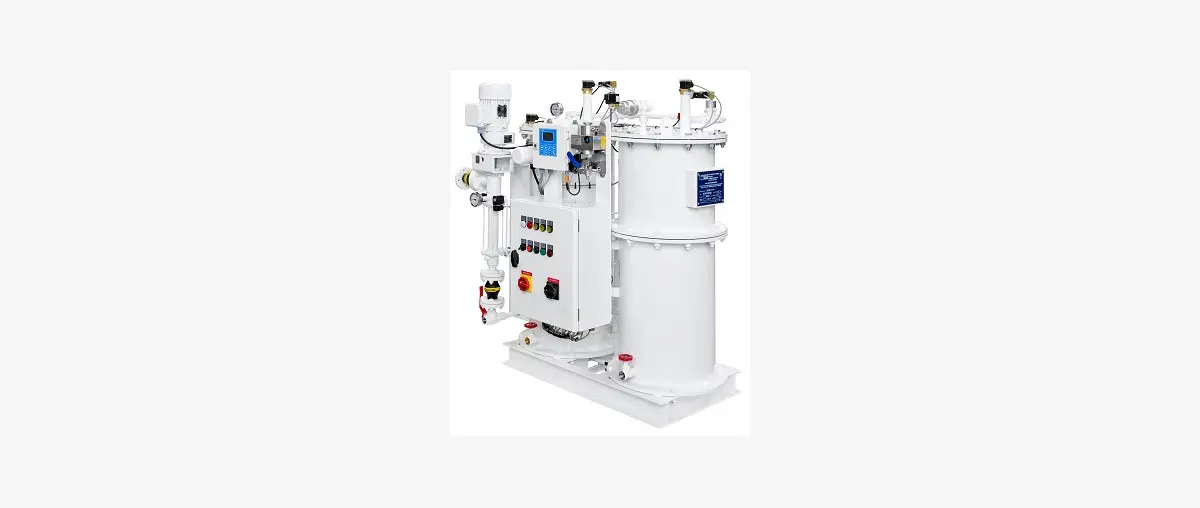
Photo copyright DVZ-SERVICES GmbH. Official original OILCHIEF oily-water separator product image.
Explore
Go deeper into the yachts, companies, events and destinations directly connected to this article.
Continue reading
European superyacht charter VAT is determined by more than a country's headline tax rate. This 2026 guide compares major charter jurisdictions and explains the …

Burgess says charter days booked increased 35% in 2025, with demand also rising in the 40–60m sectors and winter 2026/27 bookings well ahead of …
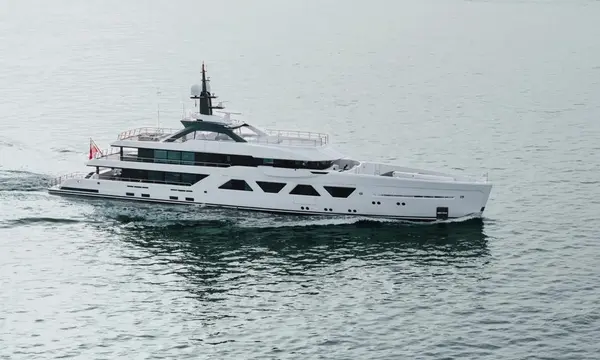
Damen Yachting has delivered ALVA, the latest Amels 60, following a celebratory naming ceremony at its Vlissingen City yard. Sold in late 2025, the …
Burgess’s published 2025 Blue Oceans report details marine conservation, Water Revolution Foundation collaboration and training through UKSA and Caribbean Crew.
Superyacht Guide
Continue into the wider Superyacht Guide.
Business opportunities · Superyacht Guide
Companies serving the superyacht market can discuss clearly identified advertising, sponsorship and business-profile opportunities. Commercial activity remains separate from independent editorial coverage.