Eagle Marine Introduces Open ADAS Platform for Yacht Navigation and Docking
By Superyacht Guide Newsroom · Edited by Superyacht Guide Newsroom
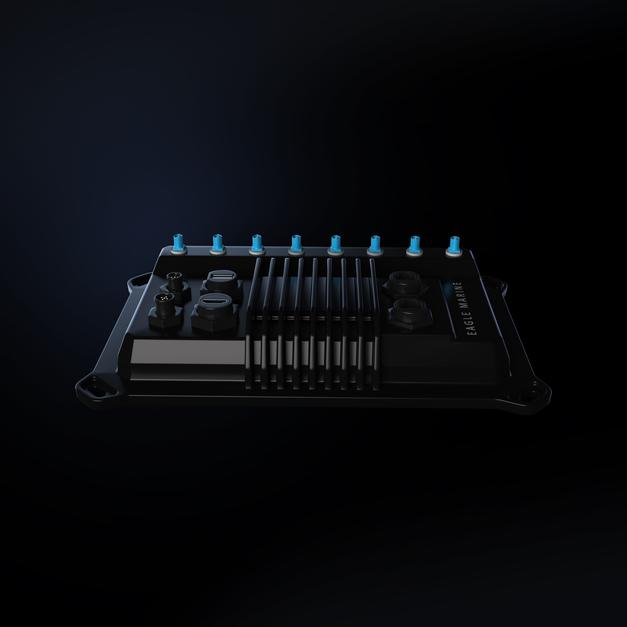
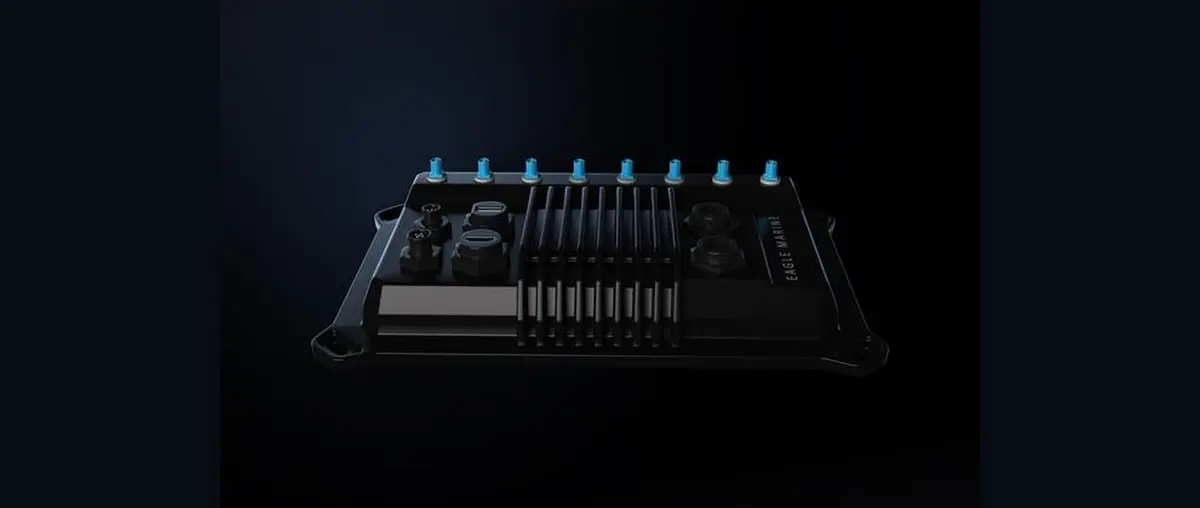
Eagle Marine ADAS Platform official exhibitor equipment photo November 2026
Eagle Marine presents a modular ADAS platform combining cameras, onboard computing and third-party applications for yacht navigation and docking assistance.
Eagle Marine GmbH has presented an Advanced Driver Assistance Systems platform for boating through its METSTRADE exhibitor listing, with the new product entry dated 20 November 2026. The company describes a common hardware and software foundation combining onboard computing, cameras and other sensors with an application environment that allows Eagle Marine and selected outside developers to build functions on top of the same platform. A Surround View facility is identified as a native function, while an application called Lookout demonstrates an external AI and data-fusion integration. The announcement matters to superyacht builders because electronic navigation aids are becoming increasingly interconnected, but the available exhibitor specification does not establish that the platform provides autonomous navigation or that its functions replace a professional bridge watch.
The platform is presented as an open foundation for navigation and docking assistance. Rather than offering every function as a separate piece of equipment, Eagle Marine describes an architecture in which computing and sensor interfaces can support multiple applications. That approach may allow designers to consider camera views, object information and related visual aids within a common electronic environment. The vendor also refers to an app-store mechanism through which its own and third-party functions may be provided.
The METSTRADE entry is an announcement of a platform, not a documented installation aboard a particular named superyacht. It does not include an exhaustive specification of supported sensors, vessel sizes or all certification pathways. Owners, builders and managers need to request current technical documentation before judging whether any proposed function can be integrated with a particular bridge. The product should be considered as an opportunity to investigate a design approach, not a blanket assurance about onboard performance.
Eagle Marine identifies Surround View as one of the functions available through the platform. The company has separately described a camera-based arrangement intended to provide a bird's-eye representation of a yacht's immediate surroundings. Such a display can be useful during docking when parts of the hull or nearby structures are difficult to see directly from the main conning position. A graphical view may help a bridge team build a more complete understanding of the available space.
Camera imagery nevertheless comes with limitations. Visibility can be affected by lens contamination, illumination, rain, reflections and the arrangement of the cameras themselves. A stitched overhead view also depends on calibration and the way separate images are combined. Captains should understand where the display is reliable, where it may contain blind areas and what other methods of checking the surroundings are necessary. An assistance function cannot convert an unsafe manoeuvre into a safe one merely by adding another screen.
A yacht's electronic systems may come from several suppliers and use different connection methods. Designers need to consider where computing equipment will be installed, which connections it requires and how it communicates with other onboard devices. Eagle Marine's proposition is that a shared platform could provide a foundation for multiple software applications rather than requiring entirely separate equipment for each new assistance function.
The potential benefits include a more coordinated interface and a clearer development environment, but those outcomes depend on the actual implementation. A common hardware arrangement may also become a point of dependency if an update or failure affects more than one function. Shipyards and technical managers should therefore examine how applications are isolated, what happens after a fault and how the system can be serviced. The fact that equipment is marketed as open does not mean that all outside devices will connect without testing.
The exhibitor listing highlights Lookout as an example of an external application using artificial intelligence and data fusion through the Eagle Marine platform. Data fusion generally refers to combining information from more than one source to support an interpretation of the situation around a vessel. In principle, information from cameras and other sensors may assist a watchkeeper in identifying objects or understanding their movement. The usefulness of a result depends on the quality of the inputs and the methods used to process them.
The release does not provide independent evidence that Lookout identifies all navigational hazards reliably or that it should be used as the primary means of collision avoidance. Machine-learning models can be sensitive to unusual conditions or equipment changes. A watchkeeper needs to understand the system's limitations and continue to apply the navigation procedures required for the vessel. A demonstration of integration is not equivalent to certification for autonomous decision-making.
The addition of another display or application should improve the bridge team's access to relevant information without creating unnecessary distraction. A technically sophisticated installation may be less useful if it presents multiple alerts without clear priorities or if important information is difficult to locate during a time-sensitive manoeuvre. This is especially relevant to larger yachts, where the crew must coordinate propulsion, thrusters, lines and communications while working near expensive infrastructure or other vessels.
Project teams should evaluate the interface in the context of the entire bridge. Display placement, alert arrangements and the possibility of returning quickly to a familiar view can affect the usefulness of new equipment. Where a system is intended to assist docking, practical trials should include the people who will actually operate the vessel. The design objective is not to collect the greatest number of applications, but to make appropriate information easier to interpret and use.
An application environment that permits additional functions also raises questions about the integrity of software supplied by outside parties. A yacht's electronic network needs a considered approach to updates, access and the protection of critical systems. Owners and managers should know who approves a new application, how its source and version are documented and how support will be provided if it stops functioning. Different systems aboard a yacht may have very different cybersecurity and operational requirements.
The METSTRADE product description does not establish precisely how Eagle Marine manages permissions, software signing or network segregation. These are questions for the manufacturer and the yacht's integrator, not details that should be inferred from the term 'App Store'. The ability to add new software may be attractive, but it needs to be supported by an appropriate configuration and change-management process. A safe operating environment depends on maintenance as well as initial installation.
The physical characteristics of a superyacht can create advantages and complications for a camera and sensor system. A larger hull may offer mounting positions and a broad field of view, but it also introduces longer cable runs, multiple decks and potential obstructions. The vessel's intended operation, from marina manoeuvring to tender handling, will influence where cameras and other sensors provide useful information. The system must also remain compatible with the bridge's existing controls and displays.
A refit may be particularly complex when the installed navigation equipment was designed without additional data interfaces. Before deciding to add an advanced assistance function, the owner should request a survey of the existing equipment and a clear integration plan. Such a plan should describe electrical requirements, network connections, structural or cosmetic changes and the conditions under which the system can be tested. No single product announcement removes the need for that engineering process.
Eagle Marine's 20 November exhibitor entry represents a continuing movement towards more adaptable marine electronics, in which hardware and software are developed as connected parts of a system. The combination of native Surround View and third-party Lookout functions demonstrates the company's intended direction. Whether that architecture becomes a useful choice for particular superyachts will depend on its documented capabilities, service arrangements and performance during operation.
Captains and owners should resist describing the announcement as the arrival of an autonomous yacht. Electronic assistance can improve the information available to a crew, but responsibility for navigation and safe operation remains within the vessel's established professional and regulatory arrangements. The relevant question is whether the system can help a trained bridge team understand its environment more effectively. That is a practical ambition worth examining carefully, provided the difference between assistance and independent control remains clear.
Primary source: Eagle Marine GmbH official METSTRADE exhibitor product release, 20 November 2026.
Product image: Eagle Marine GmbH / METSTRADE exhibitor presentation, enlarged and letterboxed for web display. Official source.
Explore
Go deeper into the yachts, companies, events and destinations directly connected to this article.
Continue reading
Superyacht navigation specialist dsnm has acquired sister company NavigatX, bringing navigation management, passage-planning software and bridge refit support together.
Avikus USA executive Sangwon Shin is discussing how sensors, steering, propulsion and AI need to operate as one system for future assisted superyacht navigation.
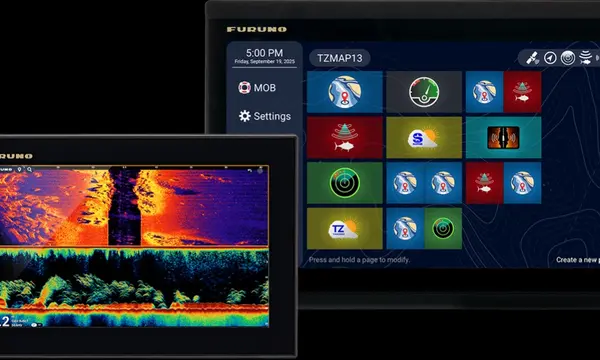
Furuno’s TZMAP9 and TZMAP13 combine stand-alone navigation, TZ MAPS cartography and built-in TruEcho CHIRP sonar in compact displays.
Furuno used the 2026 Monaco Yacht Show to demonstrate a 55-inch transparent OLED navigation display alongside an integrated suite of megayacht bridge technologies.
Superyacht Guide
Continue into the wider Superyacht Guide.
Business opportunities · Superyacht Guide
Companies serving the superyacht market can discuss clearly identified advertising, sponsorship and business-profile opportunities. Commercial activity remains separate from independent editorial coverage.