
Royal Balk Shipyard Expands ReCraft Focus for 25–65m Yachts
Royal Balk Shipyard in Urk says demand is growing for its large yacht ReCraft programmes. The yard reports four completed refits in 2026 and …
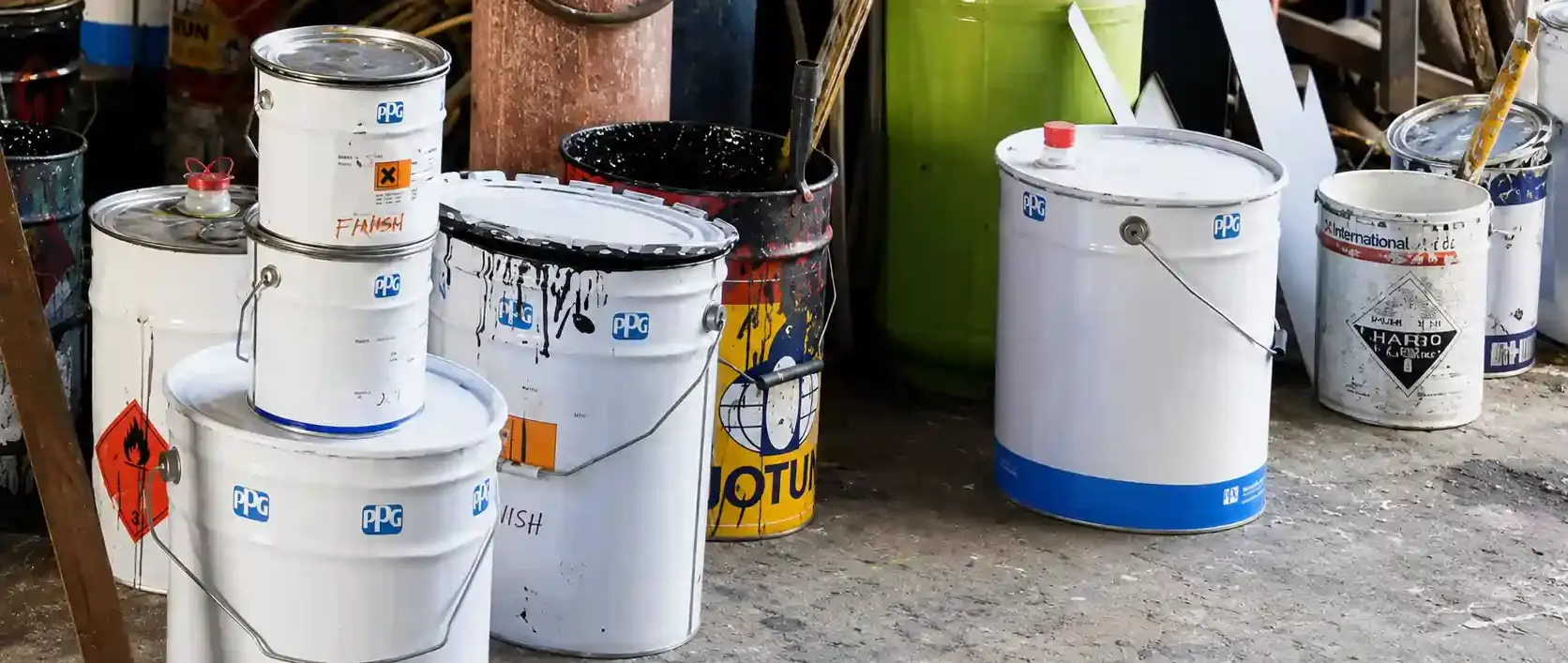
A superyacht repaint can consume a substantial share of a refit budget even though the visible result is only a thin coating. Preparation, fairing, skilled labour, containment, environmental control and the risk of expensive rework drive the real economics.
From a distance, painting a yacht sounds straightforward. The hull is prepared, primer goes on, the colour is sprayed and the yacht emerges glossy and white. That description is technically correct in roughly the same way that saying a luxury interior consists of wood, fabric and furniture is correct: it misses almost everything that determines the cost.
A superyacht finish is a layered technical system applied over steel, aluminium or composite structure that must protect the substrate while also satisfying an aesthetic standard far beyond ordinary commercial shipping. Pinmar describes the exterior coating as part of the yacht's protection against sea water, sunlight and atmospheric contamination, while its quality standard evaluates not only colour and gloss but distinction of image, film thickness, dust contamination and fairing straightness. Economically, that changes the nature of the job because the owner is not primarily buying litres of paint; the owner is buying thousands of hours of controlled preparation and application with very little tolerance for visible imperfection.
The final topcoat is the part everybody sees, but the finish underneath determines whether that topcoat looks exceptional or exposes every flaw. On a new build, specialist painters may begin with bare steel or aluminium and progressively fair, prime and prepare the structure until irregularities in the fabricated surface have effectively disappeared. Pinmar describes this as a phased process in which the substrate is smoothed and successive coating layers establish the base for the final visible finish.
Fairing is particularly important because a large glossy yacht hull behaves almost like a mirror. Subtle waves, weld distortion or transitions that would be irrelevant on a commercial vessel can become conspicuous once reflected light travels along a dark blue or high-gloss white hull. Hempel's yacht-coating guidance treats abrasion, filling, fairing and priming as separate preparation operations rather than one simple painting step, illustrating how much of the visible finish is actually created before the topcoat is applied.
That is why apparently small changes in the condition of an existing yacht can have large financial consequences. If the underlying system remains sound, a planned repaint may be predominantly a preparation-and-renewal exercise, but if corrosion has begun beneath failed coatings or fairing has deteriorated, the job moves backwards through the system before it can move forwards again. MB92 describes corrosion as a technical problem capable of creating substantial repair work if allowed to progress, while Pinmar notes that deterioration can require corrosion treatment, high-build primers and more extensive restoration of the coating system. The cheapest paint project is therefore often the one undertaken before the existing system has substantially failed.
The hull and superstructure are not uninterrupted surfaces. They are covered with handrails, hinges, doors, lights, vents, glazing interfaces, deck hardware, nameplates, antennas, lockers, drains, fittings and dozens of other systems that interrupt the paint line. Painting around them can compromise appearance and long-term sealing, so a major repaint frequently starts with removal rather than spraying.
The scale becomes remarkable on larger yachts. Pinmar says that on a yacht above 90 metres a major repaint can involve roughly 2,000 to 2,500 individual exterior fittings, each potentially requiring identification, tagging, removal, transport, inspection, repair or refinishing, storage, reinstallation, testing and sign-off. The result is effectively a logistics project hidden inside the paint project, and those components must return to the correct place in the correct condition without damaging the new finish during reassembly.
A beautifully sprayed hull is of little value if a hydraulic door subsequently leaks, a railing installation damages the coating or a light fitting is misplaced. Pinmar notes that exterior hardware is often serviced during repainting and that caulking may be removed and renewed as part of protecting surrounding structure and deck interfaces. This is one reason quotations can surprise owners who focus on surface area alone: the visible square metres matter, but so does the number of penetrations, fittings, colours, transitions and components that have to disappear before applicators can create an uninterrupted finish.
A high-end finish cannot simply be sprayed outdoors whenever the weather looks acceptable. Temperature, humidity, air movement, dust and contamination all influence application and curing, and changing conditions can alter how products must be mixed and applied. An Awlgrip case study involving a 50-metre-plus yacht describes applicators adjusting thinner strategy as environmental conditions shifted between warmer humid weather and cooler conditions so that application quality remained consistent.
Large-yacht projects therefore require containment and environmental control. MB92 says its paint operations use monitoring and controlled conditions specifically to reduce the risk of re-sprays and the costs associated with them, while dedicated fittings facilities can control humidity, airflow and temperature and incorporate curing areas and systems for paint preparation and emissions handling. On a major refit, the yacht itself may also be scaffolded and enclosed so work can continue in a stable environment while overspray and contaminants are contained.
Pinmar's account of the development of modern containment systems explains that earlier outdoor approaches suffered from contamination, overspray and interruptions caused by weather, and that larger yachts made those problems commercially unacceptable. Economically, the significance is substantial because a repaint requires not only painters but scaffolding specialists, containment materials, ventilation, extraction, filtration, climate control, lighting, access platforms, waste handling and the energy needed to maintain that temporary environment. The paint may arrive in cans, but the finish is produced inside something much closer to a temporary industrial production line.
A commercial coating can be successful if it protects the substrate and meets specified film thickness, but a superyacht coating is judged at much closer range and by a different set of expectations. Pinmar's formal acceptance process evaluates colour shade, gloss, distinction of image, film thickness, dust and fairing straightness, illustrating how the finish has become measurable rather than simply a subjective question of whether the yacht looks good. The higher the expected visual standard, the more preparation, inspection and controlled application are required before the job can be signed off.
Distinction of image is particularly revealing because a glossy surface can appear shiny while still producing a distorted reflection that exposes surface texture or imperfect flow. Dark colours can make this even less forgiving because reflected light exaggerates irregularities and application differences. The topcoat must also deliver more than appearance, with modern yacht coatings engineered for colour retention, gloss, durability, repairability and resistance to ultraviolet exposure, salt, washdowns and abrasion.
AkzoNobel's Awlgrip HDT, for example, was developed as a high-gloss yacht finish with enhanced durability and repairability while reducing VOC content relative to more traditional alternatives. Manufacturers also continue looking for ways to remove labour from the coating system because process time matters so much. Awlgrip's Gloss Finish Primer combines stages that traditionally required a finish primer followed by a separate show coat used to reveal defects, demonstrating how reducing the number of preparation and inspection cycles can directly affect project economics.
The most costly litre of paint may be the one that has to be applied twice. Dust contamination, poor flow, an application defect, environmental instability or damage to a completed section can force part of the coating process to be repeated. On a small boat that may be frustrating; on the flank of an 80-metre yacht it can involve remasking, abrading, cleaning, respraying, curing and reinspection across a very large visual area.
The risk is magnified because a yacht's exterior is viewed as one continuous object. A technically acceptable local repair may still be rejected if colour, gloss or reflection differs from the surrounding surface, giving the project a disproportionate quality-control burden. MB92 specifically links environmental monitoring with reducing re-sprays and unwanted cost, demonstrating why the cost of preventing defects is often preferable to the cost of discovering them after the final coat.
This also explains the importance of formal acceptance criteria and independent inspection. Without an agreed standard, owner, captain, applicator and surveyor can look at the same reflection and reach different conclusions about whether the finish should be accepted. Pinmar says its paint standard was created partly to turn that subjective judgement into defined measurement methods and acceptance criteria agreed before completion, making project management part of controlling financial exposure rather than administrative overhead added to the painting.
A yacht undergoing a major repaint is occupying valuable infrastructure and may be unable to cruise, charter or move freely while the work is underway. The paint contractor's invoice is therefore only one part of the economic picture because berthing or dry-dock space, shore services, project management, crew salaries, technical work carried out concurrently and lost operational time can all contribute to what the repaint really costs the owner.
Scheduling matters because a coatings programme is governed by preparation sequences, cure windows and environmental conditions. If another refit trade delays access to an exterior area, hardware arrives late or a defect requires rework, the consequences can extend beyond the painting team into the yacht's overall yard schedule. Specialist facilities invest heavily in controlled cabins, curing space, fittings management, scheduling and quality control partly because reducing those bottlenecks improves the predictability of the entire refit.
For an owner, this means two paint quotations that appear different in price may also represent very different allocations of risk. One may include containment, removal and refitting, controlled application, detailed acceptance criteria and warranty processes while another excludes significant parts of the work that will later appear elsewhere in the refit budget. The useful comparison is therefore scope against scope rather than simply the headline number.
Repainting a superyacht can be deferred, but that does not mean its cost disappears. Pinmar says a correctly applied above-water coating system has historically been expected to provide roughly four to five years of protective performance, although actual life depends strongly on service and cruising patterns. Once degradation progresses far enough for the substrate or underlying fairing to become exposed to corrosion, a future paint project can require materially more repair work.
That makes paint part of asset preservation rather than pure cosmetics. The finish protects fairing and substrate, while the repaint period creates an opportunity to inspect exterior fittings, address corrosion and renew interfaces before relatively small defects become larger structural or cosmetic repairs. MB92 makes the same broader point in its corrosion guidance: early inspection and targeted intervention can prevent deterioration from becoming substantially more expensive.
There is consequently a difference between reducing paint expenditure and merely delaying it. Extending a sound coating system intelligently may be sensible, while deferring a failing system because the next repaint looks expensive can transfer the owner into a much more complex restoration programme later. The economics need to be considered across the coating's life rather than only against the cost of the next yard period.
The economics become easier to understand once the topcoat is separated from the project around it. The owner is paying for inspection and specification, scaffolding and containment, hardware removal, corrosion treatment, filling and fairing, repeated sanding and cleaning, primers and intermediate coats, masking, environmental control, specialist applicators, curing time, quality measurement, defect correction, reassembly, testing, warranty exposure and the yard capacity required to coordinate all of it. The coating materials matter, but they sit inside a much larger technical and labour-intensive system.
A perfect finish is expensive because creating one across a structure tens of metres long demands enormous consistency. A mistake made across twenty centimetres of a car panel is a repair, while a mistake visible in the reflected line of an 80-metre yacht can become a project issue involving a much larger area. That is ultimately why asking how much the paint itself costs is the wrong starting point; the better question is how much controlled work is required to produce an exterior that looks almost effortless.
On a superyacht, the gloss is merely the final evidence that thousands of hours underneath it were done correctly. The economic value of the finish lies not only in appearance but in protection, quality control, reduced deterioration and the ability to return the yacht to service without carrying hidden coating problems into the next ownership or refit cycle.
Continue reading
Royal Balk Shipyard in Urk says demand is growing for its large yacht ReCraft programmes. The yard reports four completed refits in 2026 and …
The historic 47m Perini Navi ketch ANDROMEDA LA DEA has emerged from a comprehensive 2026 rebuild involving renewed steel decks, onboard systems and Liaigre …
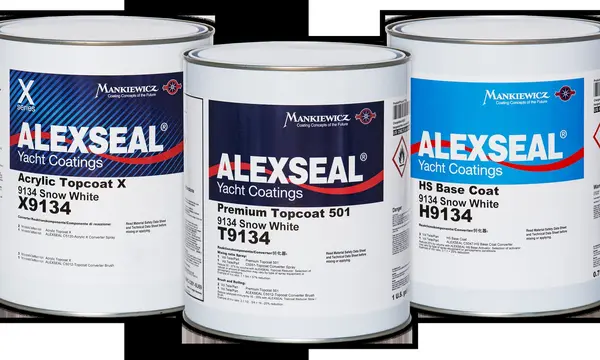
Alexseal's Acrylic Topcoat X combines high-gloss finishing claims with a forgiving application process, prompting practical questions for yacht refit yards working to demanding schedules.
Royal Huisman's Huisfit division has confirmed the return of the 55-metre Vitters sailing yacht ADELE for a further refit and her 20-year survey programme, …
Superyacht Guide
Continue into the wider Superyacht Guide.
Business opportunities · Superyacht Guide
Companies serving the superyacht market can discuss clearly identified advertising, sponsorship and business-profile opportunities. Commercial activity remains separate from independent editorial coverage.