55m Vitters Sailing Yacht ADELE Returns to Huisfit for Third Refit
Royal Huisman's Huisfit division has confirmed the return of the 55-metre Vitters sailing yacht ADELE for a further refit and her 20-year survey programme, …
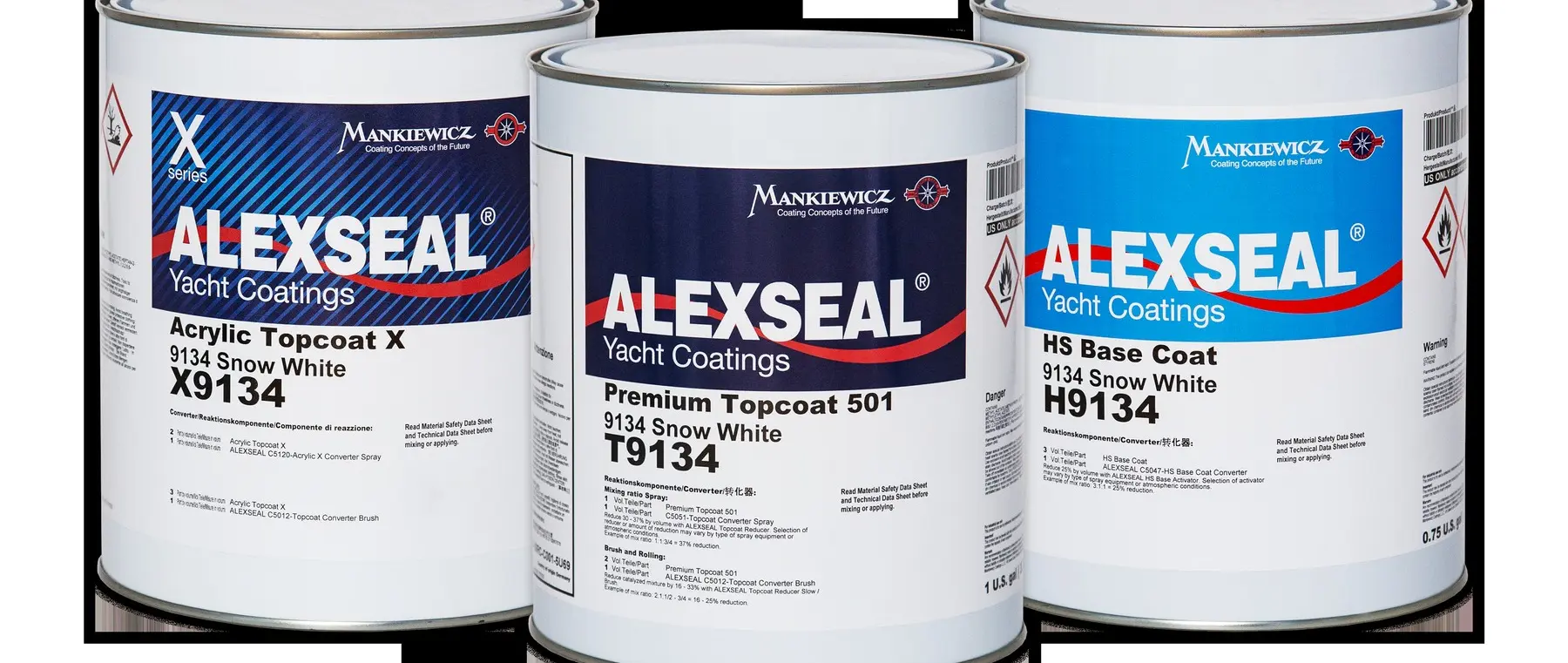
Alexseal's Acrylic Topcoat X combines high-gloss finishing claims with a forgiving application process, prompting practical questions for yacht refit yards working to demanding schedules.
Yacht coatings specialist Alexseal is highlighting its exterior finish technologies ahead of METSTRADE 2026, where it is listed in the Superyacht Zone. Its Acrylic Topcoat X is promoted as a high-gloss coating designed to achieve strong results while making application more forgiving for painters. The product is part of the company's existing range, not a newly confirmed October product launch.
A superyacht repaint is one of the most demanding jobs at a refit yard. Owners judge the appearance of vast reflective surfaces in changing light, while applicators must control surface preparation, environmental conditions, layer thickness and consistency. Small defects become apparent over long hull sides, and the final result depends as much on the process as on the paint chosen.
Alexseal says Acrylic Topcoat X uses modern acrylic resin technology informed by its marine-coatings experience. The company describes a level of gloss and distinctness of image comparable with polyester topcoats, alongside properties intended to make buffing and correction more manageable. These are manufacturer claims that warrant testing under the actual conditions of the intended project.
Distinctness of image refers broadly to how sharply a reflected object appears on a painted surface. On a large yacht with continuous dark-coloured topsides, the clarity of reflected lines can reveal imperfections that would be far less conspicuous on a small component. A coating that appears satisfactory on a test panel may look different once applied over a lengthy curved hull.
The company's technical description refers to full hiding in two coats for most colours. That is not a blanket promise that any existing paint can be covered without additional work. The underlying primer system, substrate condition, colour change, application thickness and painter technique influence whether the result reaches the required standard.
Yard project managers should distinguish the number of topcoat passes from the overall number of preparation stages. A serious yacht painting programme can involve fairing, surface inspection, cleaning, masking, primer application and controlled curing before final topcoats are considered. Saving one finishing pass does little good if inadequate preparation creates expensive rework.
Temperature, humidity, air movement, dust and solvent handling can all affect a large coating operation. Many yards use enclosed or carefully protected spaces to reduce contamination, yet changes in weather and activity elsewhere on the site still require monitoring. Any product marketed as forgiving needs to be understood within the manufacturer's documented application ranges.
Experienced painters also evaluate how a coating flows, whether overlapping spray patterns remain visible and how readily isolated imperfections can be corrected. A finish may offer excellent initial gloss but require careful planning for repairs or later maintenance. Owners' representatives should ask to inspect completed work and representative samples rather than relying solely on promotional imagery.
A flawless launch-day appearance is an important milestone, but coatings remain exposed to ultraviolet light, salt, cleaning chemicals, fender contact and routine deck operations. Different finishes can respond differently to abrasion, polishing and local repair. Selection should consider the yacht's cruising pattern and expected maintenance regime, not just the finish achieved in a controlled workshop.
Alexseal supplies technical data sheets and safety information, which should be used as the authoritative basis for mixing, application, protection and handling requirements. Paint teams need appropriate training and personal protective equipment, and project planners should confirm compatibility with existing coatings before approving any overcoating system.
The written acceptance standard is another important part of a repaint contract. Owner, yard and contractor should agree inspection lighting, viewing distances, acceptable local repairs and the documentation required after completion. Otherwise, differences in opinion about gloss, waviness or a small cosmetic defect can cause disputes when the vessel is ready to leave the yard. A detailed application record, including batch numbers and conditions during coating, also provides a useful reference if a finish requires local correction in later seasons.
The economic case needs to include yard labour, tenting, surface preparation, cure time, inspection standards and potential future repairs. A product that reduces rework or helps painters maintain consistent quality may be valuable even without a headline reduction in materials consumed. The useful measure is the cost of obtaining and sustaining a satisfactory finish over the whole project.
METSTRADE's official catalogue confirms Alexseal's participation and provides an opportunity for owners' representatives to discuss technical specifications with the supplier. Acrylic Topcoat X demonstrates one direction in the evolution of yacht finishes, but choosing a coating remains a vessel-specific decision. Durable results come from matching the product to the substrate, working conditions, maintenance expectations and skill of the application team.
Continue reading
Royal Huisman's Huisfit division has confirmed the return of the 55-metre Vitters sailing yacht ADELE for a further refit and her 20-year survey programme, …
Alewijnse's electrical work on the 93-metre Oceanco DRAAK offers an unusually detailed illustration of why complex superyacht refits can expand dramatically beyond their original …

RMK restores the 38m, 1901-built steam yacht CANGARDA using historic methods and specialist engineering before her transfer to Istanbul's Rahmi Koç Museum.

Amico Marine's Gatti yard joins the 16,000-square-metre Genoa Nautical Hub, complementing its superyacht refit facilities and newly organised specialist supplier network.
Superyacht Guide
Continue into the wider Superyacht Guide.
Business opportunities · Superyacht Guide
Companies serving the superyacht market can discuss clearly identified advertising, sponsorship and business-profile opportunities. Commercial activity remains separate from independent editorial coverage.