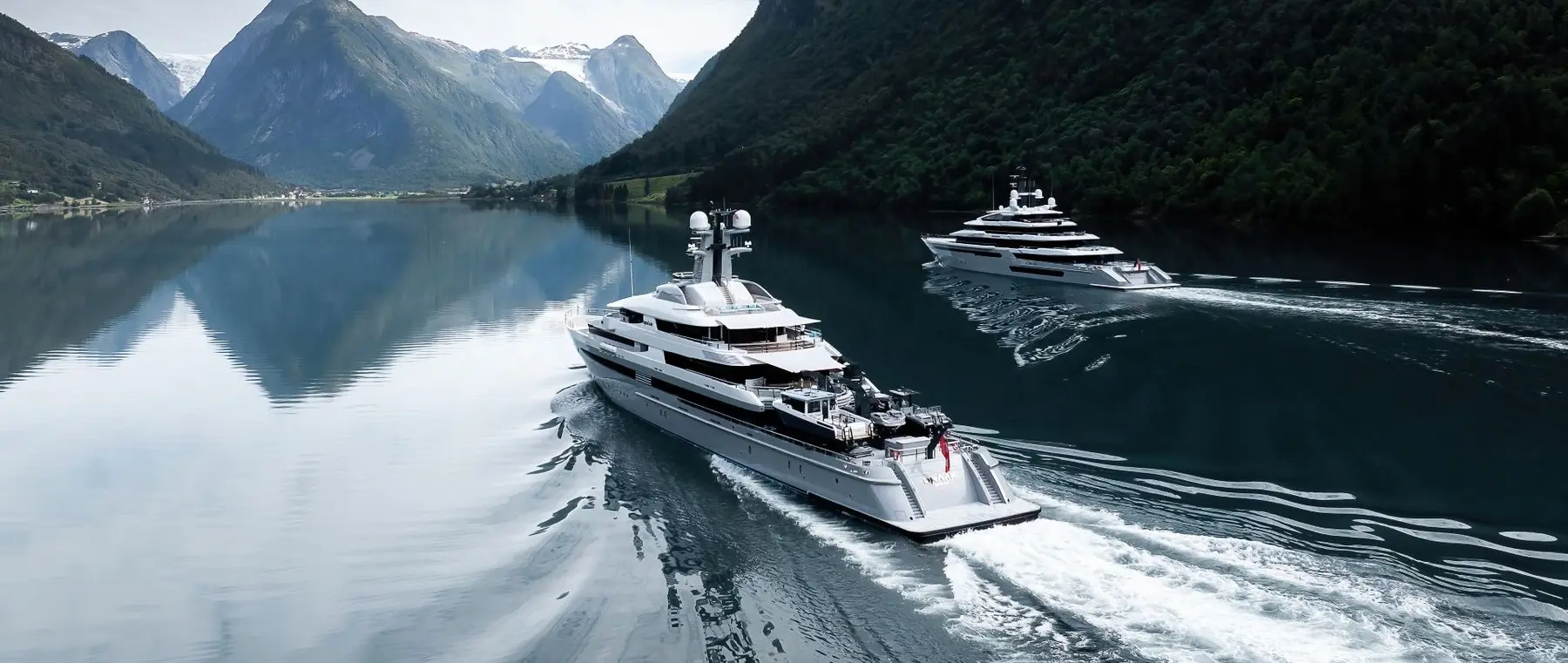
Alewijnse Rewires 93m DRAAK in Complex Two-Year Oceanco Refit
By Stephen Yardley · Edited by Stephen Yardley
Alewijnse's electrical work on the 93-metre Oceanco DRAAK offers an unusually detailed illustration of why complex superyacht refits can expand dramatically beyond their original schedules. The specialist told Superyacht
Alewijnse's electrical work on the 93-metre Oceanco DRAAK offers an unusually detailed illustration of why complex superyacht refits can expand dramatically beyond their original schedules. The specialist told Superyacht Technology that more than 58 kilometres of cabling were replaced during a two-year programme that had initially been expected to take a year.
Originally built as Equanimity in 2014, DRAAK was relaunched by Oceanco in June 2026 after extensive interior, technical and operational changes. Alewijnse project manager Diederick van Welij describes the electrical refit as substantially larger than early estimates, with new monitoring, power-management and audiovisual infrastructure incorporated as the brief evolved.
The work extended far beyond entertainment screens and guest controls. According to the project account, Alewijnse renewed alarm, monitoring and control equipment, power-management systems, shore-power conversion and lighting infrastructure alongside the data cabling needed for connected onboard systems.
Every additional cable route has implications for containment, fire boundaries, access panels and documentation. Electrical contractors must be able to trace individual circuits after handover, particularly when equipment is modified or serviced during later seasons.
The quantity of cable is notable but is not a direct measure of the quality of the finished installation. Safety, separation, protection and accurate as-built drawings remain the critical engineering outcomes.
DRAAK's refit supported a shift towards marine exploration and research, with a full dive facility, hospital and hyperbaric chamber replacing elements of the original luxury programme. The aft helicopter-deck area was reconfigured for tender storage and deployment, introducing new technical demands on a previously established hull.
Changes to spaces of this scale affect ventilation, electrical supply, drainage and emergency systems as well as furnishings. Their installation also requires close coordination between designers, shipyard managers, classification specialists and contractors.
The yacht's adaptation demonstrates why an owner's new operational ambitions can be more complicated than a conventional refresh of finishes. A vessel designed for a different mission may need extensive changes beneath the visible surfaces.
Van Welij's description suggests that additions to the original scope were the primary driver of unexpected work. As interiors were reconfigured and newer digital systems specified, teams needed to reopen compartments that might otherwise have remained untouched.
A realistic refit plan should distinguish work essential to safety and compliance from owner-requested modifications and opportunities identified during strip-out. Each category may require different approvals and contingency budgets.
For a large yacht, early technical surveys and coordinated engineering drawings are among the strongest tools for controlling scope. They cannot eliminate surprises hidden behind joinery, but they can reduce avoidable clashes and repeated work.
Alewijnse is a Dutch marine electrical engineering company working across commercial vessels and advanced yacht projects. Its role on DRAAK is an example of the specialist systems expertise required alongside the capabilities of a large refit yard such as Oceanco.
The wider team included maritime technology and audiovisual contractors, illustrating the difficulty of treating bridge, hotel and operational networks as isolated installations. Integration testing must consider how alarms, power supply and interfaces behave when an individual subsystem fails.
The completed project highlights the value of experienced suppliers, detailed commissioning and accurate documentation. For owners contemplating similar conversions, its most instructive feature is not simply the cable length but the relationship between evolving requirements and a much larger technical work programme.
Explore
Go deeper into the yachts, companies, events and destinations directly connected to this article.
Continue reading
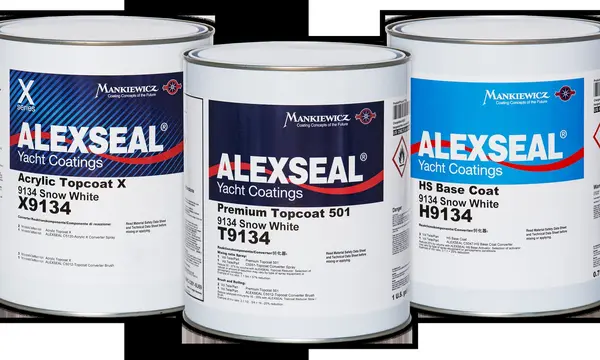
Alexseal's Acrylic Topcoat X combines high-gloss finishing claims with a forgiving application process, prompting practical questions for yacht refit yards working to demanding schedules.
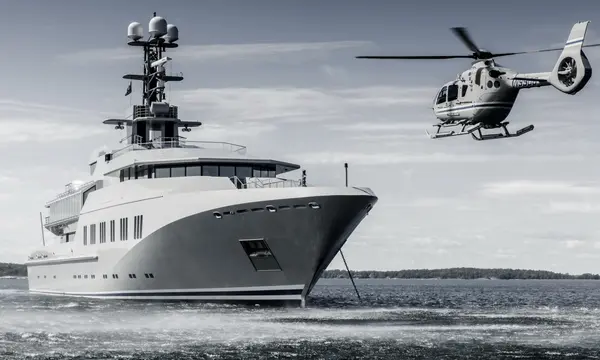
Royal Huisman's Huisfit division has confirmed the return of the 55-metre Vitters sailing yacht ADELE for a further refit and her 20-year survey programme, …

RMK restores the 38m, 1901-built steam yacht CANGARDA using historic methods and specialist engineering before her transfer to Istanbul's Rahmi Koç Museum.
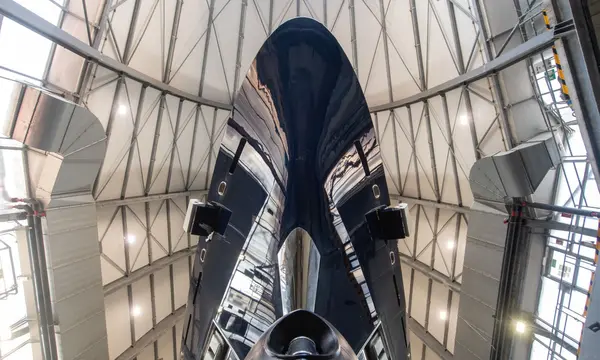
Amico Marine's Gatti yard joins the 16,000-square-metre Genoa Nautical Hub, complementing its superyacht refit facilities and newly organised specialist supplier network.
Superyacht Guide
Continue into the wider Superyacht Guide.
Business opportunities · Superyacht Guide
Companies serving the superyacht market can discuss clearly identified advertising, sponsorship and business-profile opportunities. Commercial activity remains separate from independent editorial coverage.