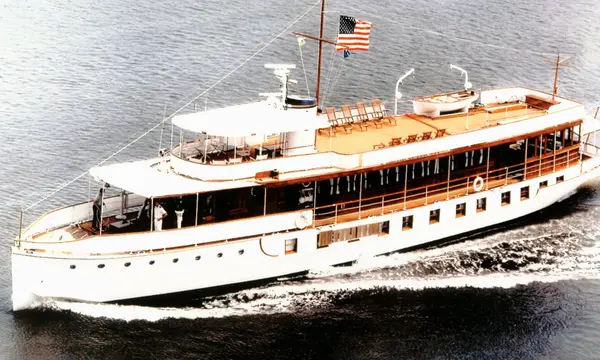
USS Sequoia: The Presidential Yacht Used by Nine U.S. Presidents
USS Sequoia served nine U.S. presidents and became a floating setting for diplomacy, political decisions and private presidential life. From Roosevelt and Kennedy to …
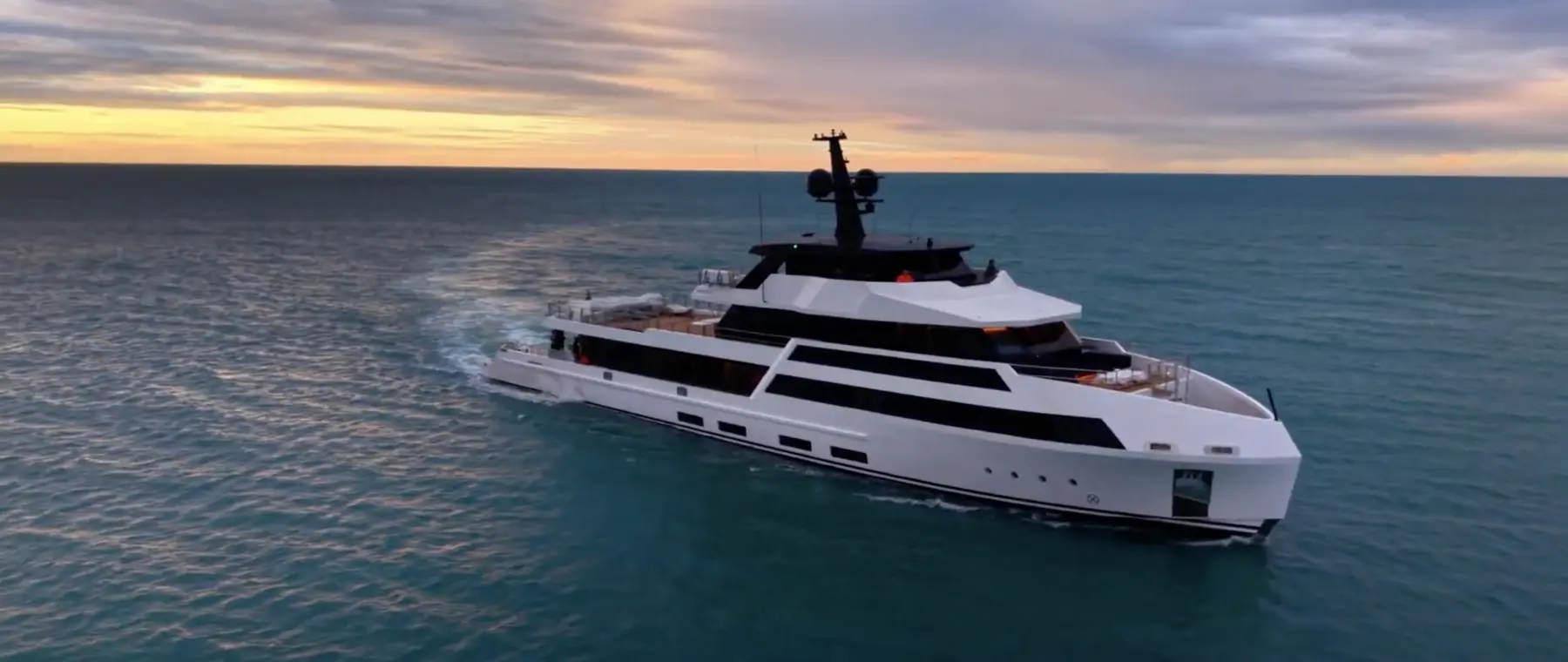
Inace Superyachts has delivered the 46.7-metre Enejota after transforming a former Brazilian offshore crew boat into a private explorer yacht.
Brazilian shipyard Inace Superyachts has completed and delivered the 46.7-metre Enejota, one of the more unusual explorer-yacht projects to emerge this year. Rather than beginning life as a purpose-built superyacht, the vessel spent its first years as a hard-working commercial craft designed to carry personnel and cargo to Brazil's offshore oil industry. Following an extensive conversion in Fortaleza, that aluminium workboat has been transformed into a 470GT private explorer with six guest suites, a helipad and an entirely new role as a long-range leisure yacht.
The yacht's history reaches back to 2013, when she was delivered as BS Maresias, also associated with the designation BSCO 04. Built by Arpoador Engenharia in Brazil, she was the first of a series of fast P3-type monohull crew boats developed for operations supporting Petrobras and the country's offshore oil fields. Contemporary records describe a vessel designed around commercial priorities: rapid crew transfers, a substantial aft cargo deck and the ability to move personnel, fuel, water and equipment between shore bases and offshore installations. Brazil's Ministry of Transport recorded an original construction investment of R$18.9 million, with part of the project financed through the country's Merchant Marine Fund.
That commercial origin is central to what makes Enejota interesting. Explorer yachts are often designed to imitate the visual toughness of offshore vessels, but this yacht actually began as one. Her original aluminium structure was conceived for demanding professional service rather than luxury cruising, giving the conversion team a very different starting point from a conventional yacht refit. Instead of simply refreshing an existing interior, Inace had to turn an operational offshore platform into a vessel capable of providing the privacy, accommodation, noise control, technical systems and social spaces expected aboard a modern superyacht.
The conversion took place at Inace Superyachts in Fortaleza between 2024 and 2026, with Fernando de Almeida responsible for the yacht's exterior design and Inace involved in the naval architecture and engineering of the transformed vessel. The finished yacht measures 46.7 metres with an 8.3-metre beam and an internal volume of around 470GT. Accommodation is arranged for up to 12 guests in six suites, while published specifications indicate space for seven crew. Four Caterpillar engines, each rated at approximately 1,450hp, provide a combined output of about 5,800hp, with a reported maximum speed of around 20 knots.
Visually, very little remains of the straightforward commercial profile that defined BS Maresias. The yacht now carries a high explorer-style bow, a completely reworked superstructure and extensive guest areas, while a helipad adds a capability more usually associated with much larger expedition yachts. Brazilian marine reporting has placed the yacht's estimated value at around R$120 million. That figure should be treated as a reported valuation rather than a confirmed purchase or conversion price, as no publicly available sale documentation has established precisely what was paid for the original vessel or the subsequent rebuild.
The yacht has attracted much wider attention because of its reported connection to Brazilian footballer Neymar Jr. Numerous Brazilian and international publications describe Enejota as Neymar's new yacht, while the name itself has been widely interpreted as a phonetic rendering of the Portuguese pronunciation of the initials “NJ”. Brazilian reporting has also linked the yacht directly with the footballer and reported that she was expected to be delivered in Angra dos Reis.
There is, however, an important distinction between widespread reporting and independently established beneficial ownership. International yacht-industry reporting has described Neymar as the rumoured owner rather than presenting the connection as a confirmed ownership record. Public vessel information identifies Enejota as a Brazilian-flagged pleasure craft, but publicly accessible records do not establish the beneficial owner. For that reason, the connection with Neymar is strong enough to report, but ownership should not be treated as conclusively established without documentary confirmation of the yacht-owning company or beneficial-owner structure.
The ownership trail before the conversion is clearer. When delivered in 2013, BS Maresias went to BSCO Navegação, a subsidiary of Brasil Supply, and was intended for offshore operations connected with Petrobras. What has not yet been established from reliable public records is the precise corporate chain through which the vessel passed after leaving commercial service, the identity of the present yacht-owning entity, or whether a dedicated management company operates Enejota today.
The delivery also demonstrates the potential value hidden in commercial vessels that might otherwise leave active offshore service. Building an explorer yacht of almost 47 metres from scratch requires years of engineering, fabrication and substantial capital, whereas an existing offshore platform can provide a strong hull, machinery spaces, fuel capacity and structural foundations already designed for demanding conditions. Conversion is by no means a simple or inexpensive shortcut, but Enejota shows how a specialised commercial vessel can be given an entirely different second life.
For Inace, the project is also a showcase for Brazil's ability to undertake complex large-yacht conversions domestically. The shipyard did not originally build the vessel — that distinction belongs to Arpoador — but its transformation of BS Maresias into Enejota has changed the purpose, appearance and identity of the yacht almost completely. What began in 2013 as a commercial crew boat carrying workers and cargo to offshore installations has emerged more than a decade later as a 46.7-metre private explorer, now cruising under the Brazilian flag and attracting international attention far beyond the offshore industry for which she was originally created.
Continue reading
USS Sequoia served nine U.S. presidents and became a floating setting for diplomacy, political decisions and private presidential life. From Roosevelt and Kennedy to …
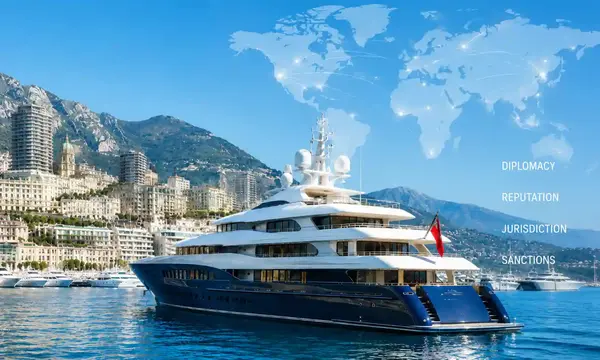
Superyachts are unusually visible forms of private wealth, so where they berth can carry reputational as well as legal significance. Soft power begins with …
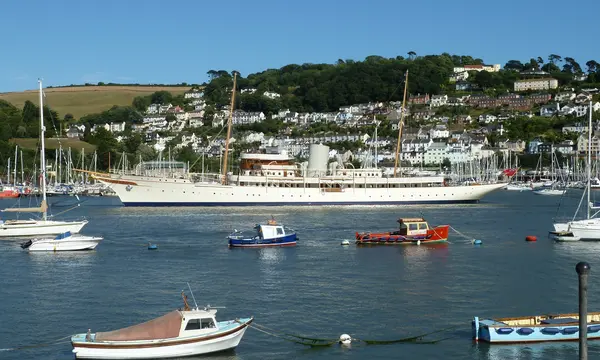
Nahlin is a 91.44-metre classic motor yacht built by John Brown & Sons in 1930 to a G.L. Watson design. Her 1936 Mediterranean charter …
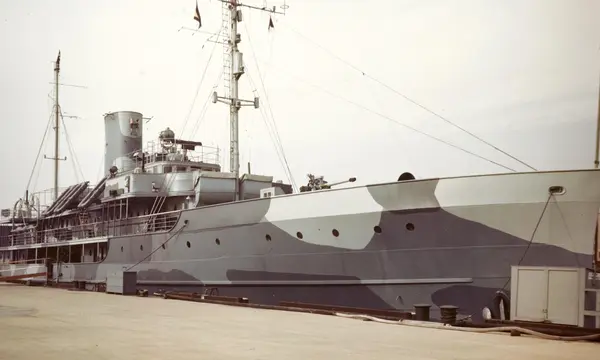
Built for Horace Dodge in 1921, SS Delphine survived sinking, wartime service as USS Dauntless and decades of uncertainty before a landmark restoration returned …
Superyacht Guide
Continue into the wider Superyacht Guide.