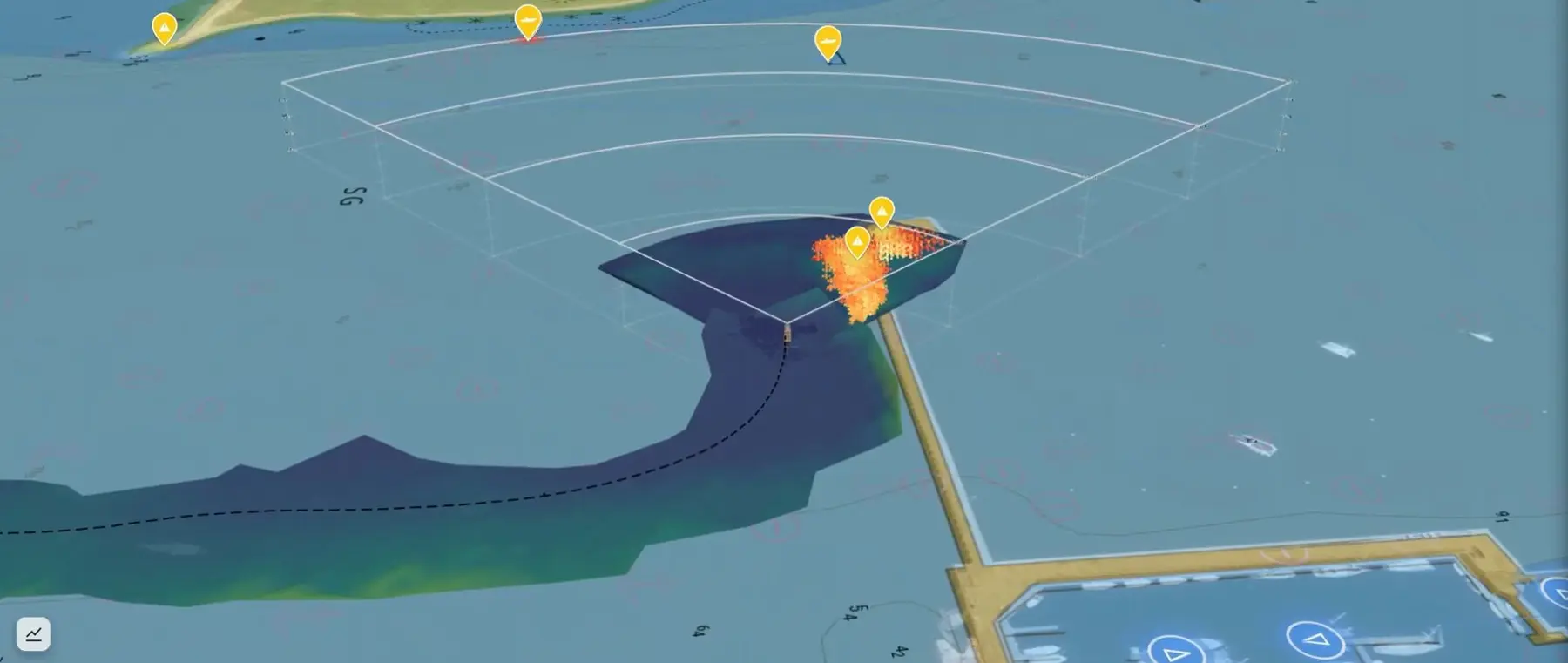
FarSounder Integrates Tocaro Blue Radar AI With Argos Sonar for Yacht Bridges
By Stephen Yardley · Edited by Stephen Yardley
FarSounder adds Tocaro Blue's ProteusCore radar perception to Argos sonar's SonaSoft LT interface, combining surface-target and underwater information for navigators.
FarSounder and Tocaro Blue announced an integration on 14 May 2026 that brings AI-enhanced radar perception into FarSounder's SonaSoft LT navigation interface. The collaboration combines FarSounder's Argos three-dimensional forward-looking sonar with Tocaro Blue's ProteusCore software, making it easier for bridge teams to consider objects on the water and hazards beneath the surface together. This addresses a familiar challenge on expedition superyachts: a navigation watch must interpret information from different sensors without confusing a moving target with a fixed underwater obstruction.
The agreement is a specific software integration, not a claim that a yacht can now navigate safely without a captain or that every existing Argos installation has been upgraded. The technology is relevant to large crewed yachts approaching unfamiliar anchorages, complex coastlines and busy passages, where the bridge team may have limited time to cross-check radar targets, chart information and underwater depth.
Marine radar detects objects by transmitting radio-frequency signals and analysing reflected returns. It is useful for tracking vessels, identifying shorelines and monitoring traffic, but does not normally tell a captain whether a rock or ledge lies beneath the water ahead. An echo sounder measures depth immediately below the hull, whereas a forward-looking sonar aims to provide information in front of a moving vessel.
These distinctions matter near an unfamiliar beach or island anchorage. An electronic chart may show surveyed depths that do not reflect a newly moved sandbank or debris, while radar can reveal a vessel without identifying its precise nature. Integrating the relevant observations gives watchkeepers additional evidence, but each sensor still has limitations related to range, interference, sea conditions and the geometry of nearby objects.
Argos forward-looking sonar systems are designed to generate a three-dimensional picture of underwater features and the seabed in the direction of travel. The information can help bridge teams understand changes in bottom contours and detect some hazards beyond the area covered by a downward-looking depth transducer. Its usefulness depends on appropriate installation, operating speed, water conditions and the characteristics of the target.
A captain should never assume that the absence of a sonar return means an area is safe. Soft material, small hazards, acoustic interference and unusual water conditions may reduce detection capability. Responsible passage planning continues to depend on charts, lookouts, speed selection and local guidance, particularly in coral environments where anchoring or propeller wash may damage sensitive habitats.
Tocaro Blue's ProteusCore software processes radar data using machine-learning methods intended to improve target detection, classification and tracking. Its developer reports that the models have been trained using more than three million radar frames. The Autofocus feature can adjust settings such as gain and range according to changing sea and weather conditions, reducing the amount of manual tuning required in some operating situations.
Machine learning does not eliminate false positives or false negatives, and a high count of training examples should not be treated as proof of perfect recognition. Operators need a clear understanding of what the system is trained to identify and which visual warnings warrant immediate attention. The bridge team must retain the ability to inspect raw information, modify settings and respond independently when automated interpretations appear inconsistent with other sensors.
FarSounder says the integration allows ProteusCore's radar information to be incorporated into its SonaSoft LT user interface, complementing the Argos underwater picture. A combined operating view may help crews follow non-AIS vessels, buoys or coastlines while considering nearby subsurface risks. The benefit lies in reducing the need to mentally correlate information spread across several unrelated displays.
An intelligently designed interface must be tested with working captains rather than judged only from a screenshot. Colour conventions, alert priority, screen clutter and the ability to acknowledge or isolate alarms can all affect performance under pressure. A yacht's bridge may already host ECDIS, radar, AIS, cameras, sonar and vessel-management systems; another overlay is valuable only if it communicates the most urgent information clearly.
Owners increasingly want to visit reef-fringed islands and coastlines beyond heavily surveyed commercial harbours. The opportunity comes with additional responsibility. A large yacht has limited manoeuvring space in narrow channels, and its draught may exceed that of local service craft. Tender operations also place people close to shore, where rocks, coral heads and changing sandbars can create hazards not obvious from a bridge window.
Forward-looking sensors can support safer approaches, but they do not authorise a yacht to enter protected or restricted waters. Captains should consult local authorities, use qualified pilots where required and establish conditions under which an approach will be abandoned. When appropriate, tenders or survey teams may examine routes before the mother vessel advances. New software should strengthen prudent seamanship, not encourage unnecessary risk.
FarSounder is based in Rhode Island and has spent approximately twenty-five years developing forward-looking navigation sonar. Its Argos family is used in superyachts, expedition vessels, commercial ships and other marine operations. Tocaro Blue specialises in applying machine-learning and sensor-processing software to marine radar, converting the underlying signal data into target information that can inform decision-making.
The relationship is a technical partnership between complementary developers rather than a shipyard building a new yacht. FarSounder contributes underwater sonar technology and its user interface, while Tocaro Blue supplies radar-processing capability. FarSounder's chief executive Matthew Zimmerman and Tocaro Blue chief executive John Minor describe a shared intention to improve the completeness of the information available to a navigator. The individual captain remains accountable for safe operation.
A system that combines several information sources must be maintained as software versions change. Firmware updates, radar hardware replacement and modifications to network security can affect compatibility. Owners should request a documented integration specification, a list of supported sensors, acceptance tests and a plan for cybersecurity and remote technical access. A demonstration on one test platform cannot establish that all historical installations will behave identically.
The May announcement is an important example of a wider trend toward sensor fusion aboard large yachts. Its lasting value will depend on stable performance, crew training and clear operational limits. Rather than promising autonomous superyacht navigation, the sensible goal is better situational awareness: helping watchkeepers understand what is ahead above and below the water while preserving the judgement needed to navigate responsibly.
Explore
Go deeper into the yachts, companies, events and destinations directly connected to this article.
Continue reading
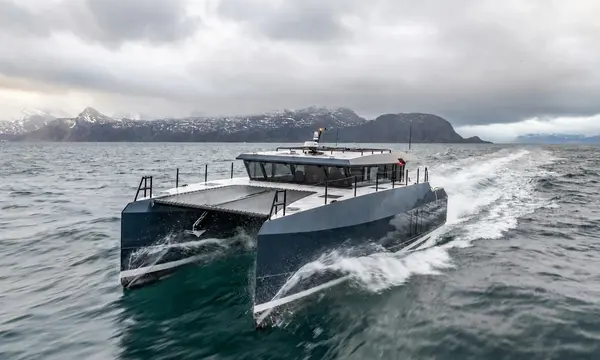
Robosys has integrated VOYAGER AI with FarSounder's 3D forward-looking sonar, combining surface and underwater hazard data for superyacht navigation.
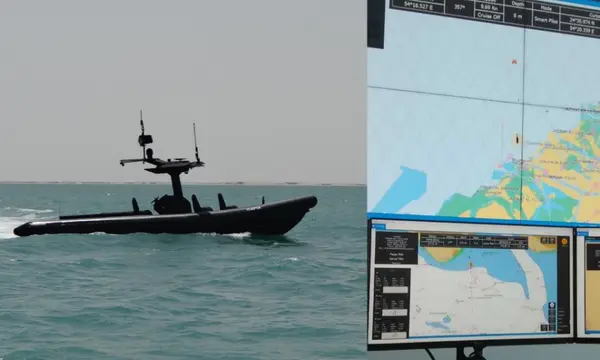
Robosys has integrated VOYAGER AI with FarSounder forward-looking sonar, combining autonomous navigation with real-time underwater hazard detection for yachts.
NEGU founder Dan Briggs reports nearly a petabyte of yacht data delivered since May, underscoring demand for fast, resilient connectivity as owners run businesses …
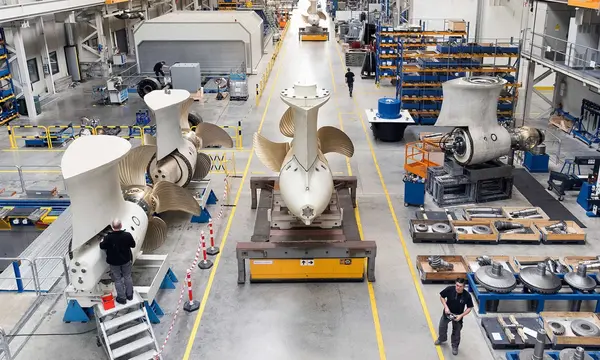
Schottel reports 20 superyachts on order with its forward-facing EcoPeller azimuth propulsion system, highlighting efficiency, manoeuvrability and reduced onboard noise.
Superyacht Guide
Continue into the wider Superyacht Guide.
Business opportunities · Superyacht Guide
Companies serving the superyacht market can discuss clearly identified advertising, sponsorship and business-profile opportunities. Commercial activity remains separate from independent editorial coverage.