Ionian Sea Port System Authority official 11 November 2026 Gallipoli governance meeting in Taranto

News

Gallipoli Joins Ionian Port Authority as €70m Marina Funding Decision Moves Forward

Nov. 13, 2026 Market

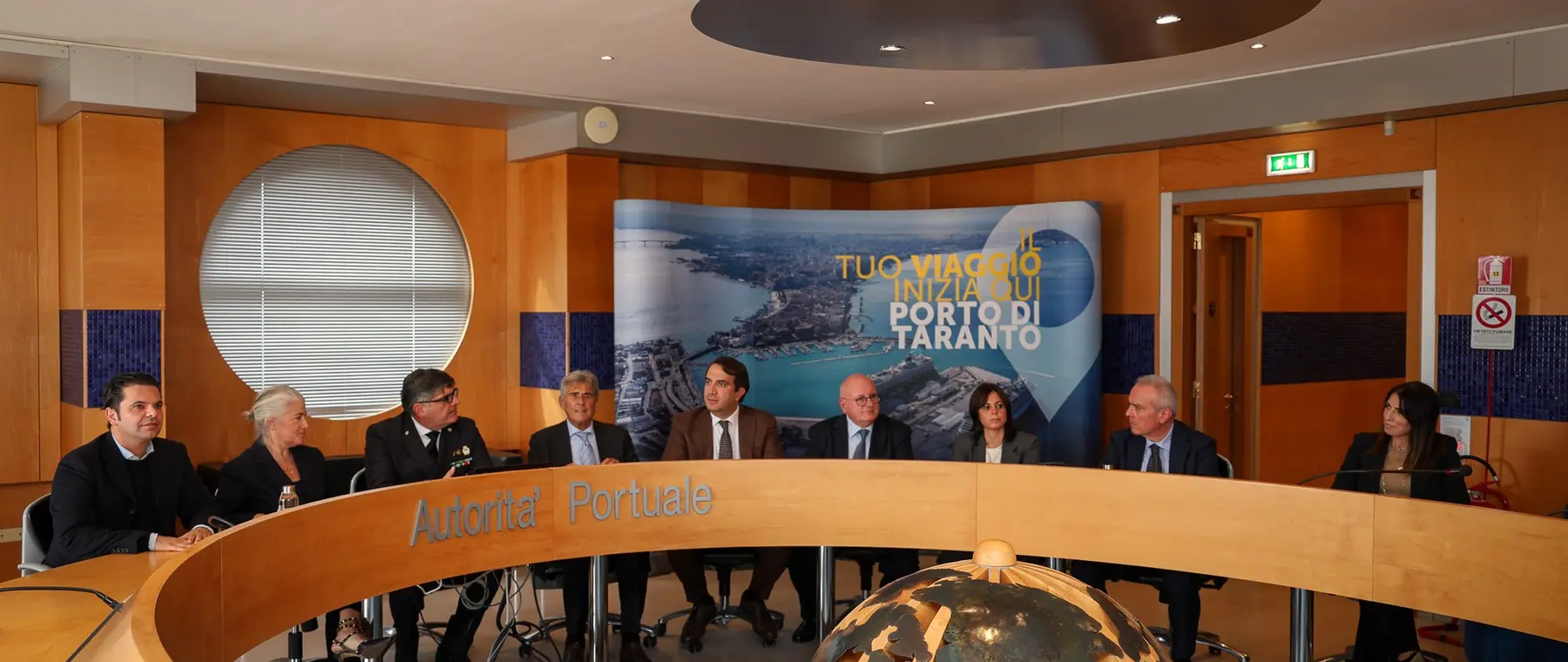
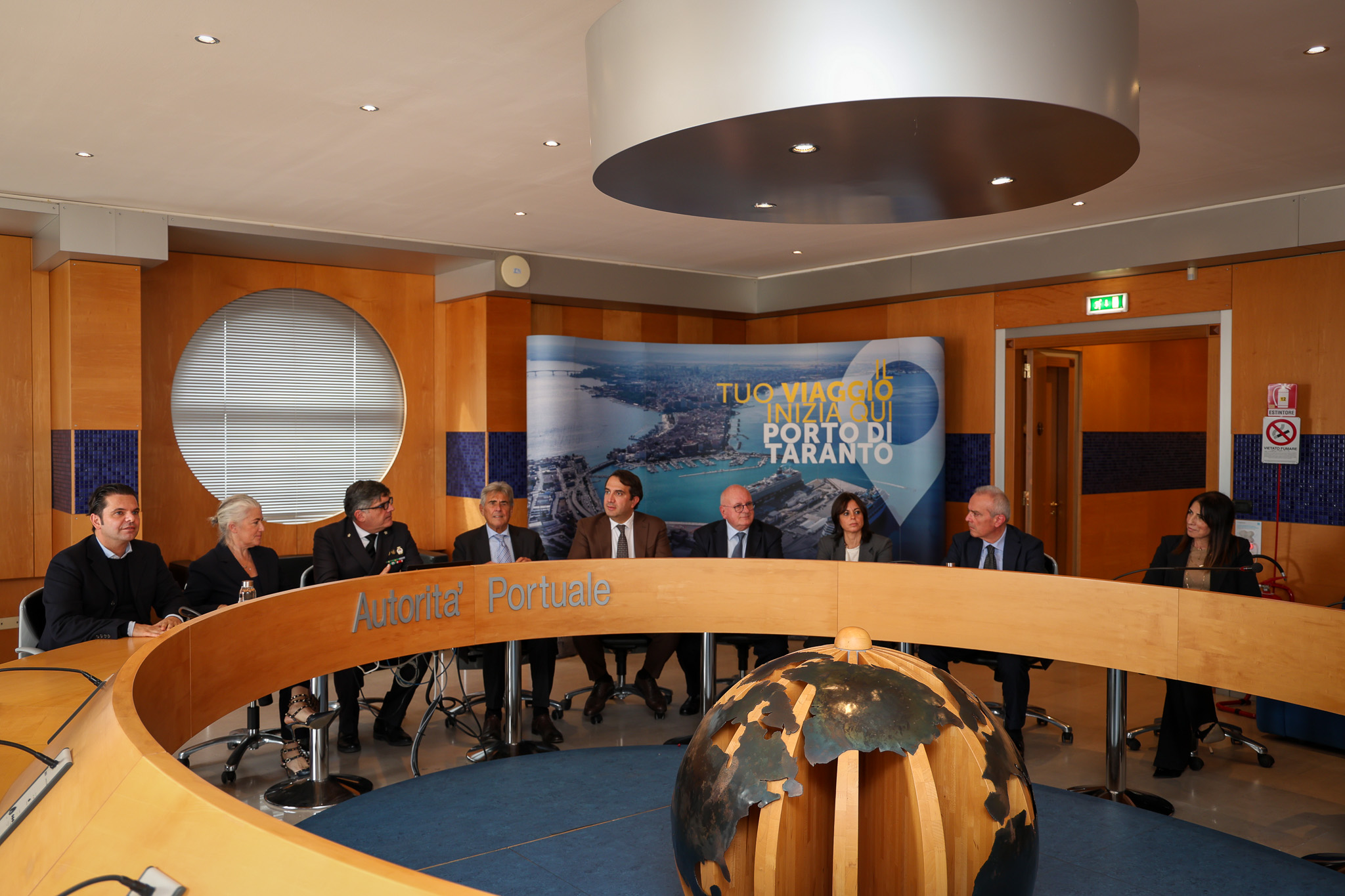
Ionian Sea Port System Authority official 11 November 2026 Gallipoli governance meeting in Taranto

Italy's government approves Gallipoli's entry into the Ionian Sea Port System Authority, a new step for the proposed €70m marina and 400 future berths.

A decision changes who governs the port The Port System Authority of the Ionian Sea has confirmed that Gallipoli has come under its jurisdiction following a decision by Italy's Council of Ministers. The authority announced the development on 11 November 2026, describing it as a new phase for maritime governance along the Ionian coast of Puglia. The administrative change matters to the superyacht community because Gallipoli's municipality is pursuing a separate plan for a large recreational marina at Giudecca. Earlier coverage established the proposal and its estimated cost; the new development is the government's decision on port-authority inclusion. That does not mean the planned marina is financed, under construction or open. The distinction between legal governance and the delivery of physical infrastructure is central to understanding the news.

Why jurisdiction matters for marine investment A port can be popular with visitors and still lack the administrative framework needed for a major publicly supported infrastructure project. The Ionian authority, based in Taranto, manages responsibilities relating to strategic port planning and investment within its jurisdiction. Gallipoli's move into that system is intended to connect its local ambitions with a wider maritime network. That does not automatically transfer every decision about maritime operations to one institution. Navigational safety, environmental approvals, funding and municipal responsibilities remain subject to applicable law and administrative processes. Owners may not notice an immediate change when visiting the harbour, but the governance arrangement can influence which projects are developed and who has authority to coordinate them.

The proposed new marina remains a separate undertaking Gallipoli's long-discussed Giudecca project has an estimated cost of €70 million and envisages approximately 400 recreational berths. The proposal is intended to create a protected marina on the Scirocco side of the waterfront, with the potential to accommodate some larger pleasure vessels. Those figures describe an intended development, not the berths available today. The precise proportion suitable for superyachts has not been published in a final berth-allocation schedule. The plan also involves works to protect the coastline and a new office for the harbour authority. This project was already public before the November government decision. The new administrative step is important because it may enable more effective pursuit of the necessary investment and approvals.

A €70 million request is not a grant The municipality has sought €70 million from Italy's Ministry of Infrastructure and Transport to help realise the marina project. A request, however, is not the same thing as an approved disbursement or a signed construction contract. Recent municipal and industry reporting indicated that the port-authority arrangement was a prerequisite to receiving the requested funding. Following the national decision, that institutional condition may be closer to resolution, but there is no verified basis for stating that the entire investment has been secured. Owners and prospective marina tenants should wait for funding decisions, approved project documents and tender announcements before treating completion as certain. The port authority's announcement concerns governance and strategy, not a new bank transfer.

The meeting in Taranto involved several maritime bodies The 11 November announcement followed discussions in Taranto involving the port authority's president Giovanni Gugliotti, Assoporti president Roberto Petri and Gallipoli mayor Flavio Fasano. Their participation reflects an effort to align local coastal objectives with the broader Italian port system. The authority's official press photographs record that institutional meeting. Such discussions can help establish priorities, but the existence of a press conference does not by itself approve the engineering design or select a contractor for the new marina. The named officials represent different institutions whose roles will continue to matter as the project develops. Superyacht operators should look for formal notices of subsequent decisions rather than rely on broad statements of ambition.

The president describes a strategy of diversification Giovanni Gugliotti presented Gallipoli's inclusion as part of a broader strategy to diversify maritime activity in the Ionian region. Taranto has historically been associated with heavy industry and commercial port operations, and the authority is seeking opportunities in additional sectors. Leisure boating and cruise activity can contribute to that strategy, though they require different facilities from container handling or industrial cargo. The port system's new responsibilities may help coordinate investment planning across the area. It would be inappropriate to assume that every port in the authority's jurisdiction will develop into a yacht marina. Each location must be assessed according to geography, demand, environmental constraints and the needs of its existing users.

Gallipoli's mayor links the change to local economic development Flavio Fasano described the inclusion of Gallipoli as an opportunity to connect recreational yachting, cruise activity and fishing within a multifunctional port. His emphasis on several forms of maritime use is relevant because a port expansion can create tensions over waterfront access, mooring space and public investment. Superyachts may generate spending on services and hospitality, but local fishermen and commercial users also require dependable facilities. The challenge is to plan infrastructure that works for different communities without allowing one activity to displace others unnecessarily. The mayor's remarks are a statement of municipal priorities, not a completed economic-impact assessment. Future results will depend on the project's design and the way it is operated.

Assoporti sees a regional coordination opportunity Assoporti president Roberto Petri discussed the need for a coordinated vision and investment in port areas affected by wider industrial change. The inclusion of Gallipoli offers the possibility of aligning planning and resources across locations that serve different parts of the maritime economy. That could help make public spending more strategic, but it does not remove competition among projects for limited funds. A superyacht marina needs commercially viable demand as well as an attractive waterfront. Its operating model should account for seasonal occupancy, service provision and the cost of maintaining protection works. An authority can support planning, but the economic case for each investment must still be established.

The local council remains involved The municipality and port system have discussed a role for Gallipoli's mayor within the authority's management arrangements. This can be important because local administrations retain an interest in transport, coastal use and urban development even when larger maritime assets fall under national or regional systems. The formal structure and voting rights should be confirmed from the applicable legal instruments rather than inferred from press comments. A clear governance arrangement may help resolve potential conflicts between local priorities and broader port strategy. It does not ensure that every proposal will receive unanimous approval. For owners, the significance of local involvement is likely to emerge through the final marina design and operating conditions.

Berth capacity must be examined by yacht size A marina with 400 berths is not necessarily a facility with 400 spaces for superyachts. Smaller recreational craft generally account for a substantial share of berth counts in mixed-use facilities. Large yachts need more depth, turning room, adequate shore power and specific mooring arrangements. Gallipoli's plans refer to larger vessels, but current public information does not include a final, detailed layout showing the exact number of berths suitable for yachts above 24 metres. It would therefore be misleading to predict how many 40-, 50- or 60-metre vessels the new harbour will accommodate. Buyers of future berths should seek engineering drawings and confirmed conditions before making a commercial commitment.

Breakwaters and coastal protection need dedicated studies The Giudecca waterfront has faced damage associated with storms and coastal erosion over the years. A new protected marina would require an appropriate arrangement of breakwaters and entrances, with careful attention to waves, currents and sediment movement. The environmental consequences of modifying a coast cannot be established from an artist's rendering or an announced investment figure. Authorities and designers must examine how the proposed works interact with neighbouring shorelines and existing port users. Such studies also influence the safety of yacht approaches and the operating limitations of the facility. A marina's reputation for luxury ultimately depends on dependable shelter and access as much as hospitality and the appearance of its buildings.

The existing €9.2 million programme should not be conflated Gallipoli has a separate €9.2 million programme for safety and improvement works across existing port basins, supported through the 2021–2027 Development and Cohesion Fund. Earlier official municipal documents described its coverage of commercial and cruise areas, San Giorgio and Canneto. That is distinct from the €70 million new-marina request. Combining the amounts and describing them as a single financed project would create a false impression of the present investment position. The new government decision concerns the administrative future of the port system, not the cancellation of every existing local works programme. Owners should track the two initiatives separately because their schedules and benefits may be different.

A new authority does not replace nautical due diligence Until new facilities are formally commissioned, captains should continue to use current nautical publications, port notices and information issued by the relevant maritime authorities when planning a visit to Gallipoli. Administrative changes do not alter channel depths, mooring dimensions or available shore services overnight. Any construction activity may eventually create temporary navigation restrictions that need to be communicated through official channels. Yachts should not rely on a planned berth count or a projected infrastructure improvement when deciding whether to enter a harbour. The captain remains responsible for assessing conditions and securing an appropriate berth for the actual vessel. Development announcements cannot substitute for operational information.

Southern Italy may gain a more structured yachting destination Gallipoli sits along the Salento coast, a region that can feature in itineraries linking the Adriatic, Ionian islands and the central Mediterranean. Better yacht infrastructure could eventually improve options for vessels seeking a shore-based stop in this part of Italy. That potential should not be confused with a confirmed increase in yacht arrivals or a guaranteed economic boost. The actual demand will depend on facilities, service quality, seasonal cruising patterns and competing destinations. A port authority may help coordinate the necessary investment, but it will take time to develop a functioning marina and surrounding service network. A realistic assessment should consider the full journey from approval to commissioning.

What distinguishes this announcement from the previous plan The marina proposal and the €9.2 million works programme were known before 11 November. The additional news is the Council of Ministers' decision and the Port System Authority's confirmation that Gallipoli is now included in the Ionian system. The authority issued a first-party public statement and images documenting the meeting, providing a clear new source for this update. Reporting the administrative milestone separately is justified because it changes the institutional context for the proposed marina. The project still faces decisions about financing, design and construction. Superyacht Guide will treat those later milestones as news when the competent bodies announce them, rather than recycling the proposal whenever an official speaks about it.

The next evidence should concern funding and implementation The most important subsequent documents will identify the status of the €70 million request, the legal and planning approvals for the marina, the chosen development structure and the timetable for construction. Owners may also want information about berth categories and the availability of large-yacht services. The new port-governance framework is a significant step because it defines which institution will help coordinate these decisions. It should not be celebrated as the completion of a yacht marina. For the superyacht industry, the immediate development is that Gallipoli's maritime administration has changed; the potential operational benefits remain future possibilities requiring detailed, public verification.

Primary source: Autorità di Sistema Portuale del Mar Ionio, original government-decision press release, 11 November 2026.

Photo: Autorità di Sistema Portuale del Mar Ionio, original photograph of the 11 November 2026 Gallipoli governance announcement; not the planned marina. Official source image.

Photo licence and source

Photo: Autorità di Sistema Portuale del Mar Ionio, original photograph of the 11 November 2026 Gallipoli governance announcement; not the planned marina.

Continue reading

All news

Superyacht Guide

Explore the superyacht world

Continue into the wider Superyacht Guide.

Business opportunities · Superyacht Guide

Reach the superyacht industry audience

Companies serving the superyacht market can discuss clearly identified advertising, sponsorship and business-profile opportunities. Commercial activity remains separate from independent editorial coverage.