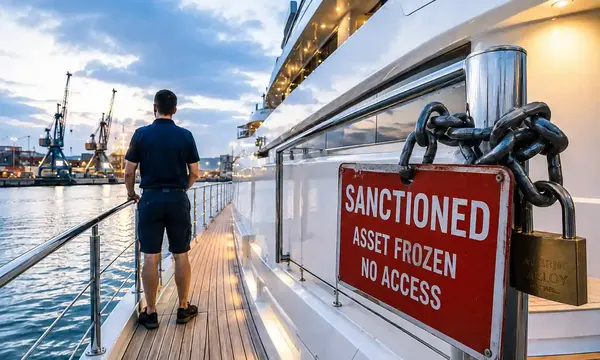
When Crew Are Caught in Sanctions: Life Aboard a Frozen Yacht
A sanctions freeze can immobilise a superyacht without making its crew sanctioned, leaving wages, contracts and daily operations caught between employment law and financial …
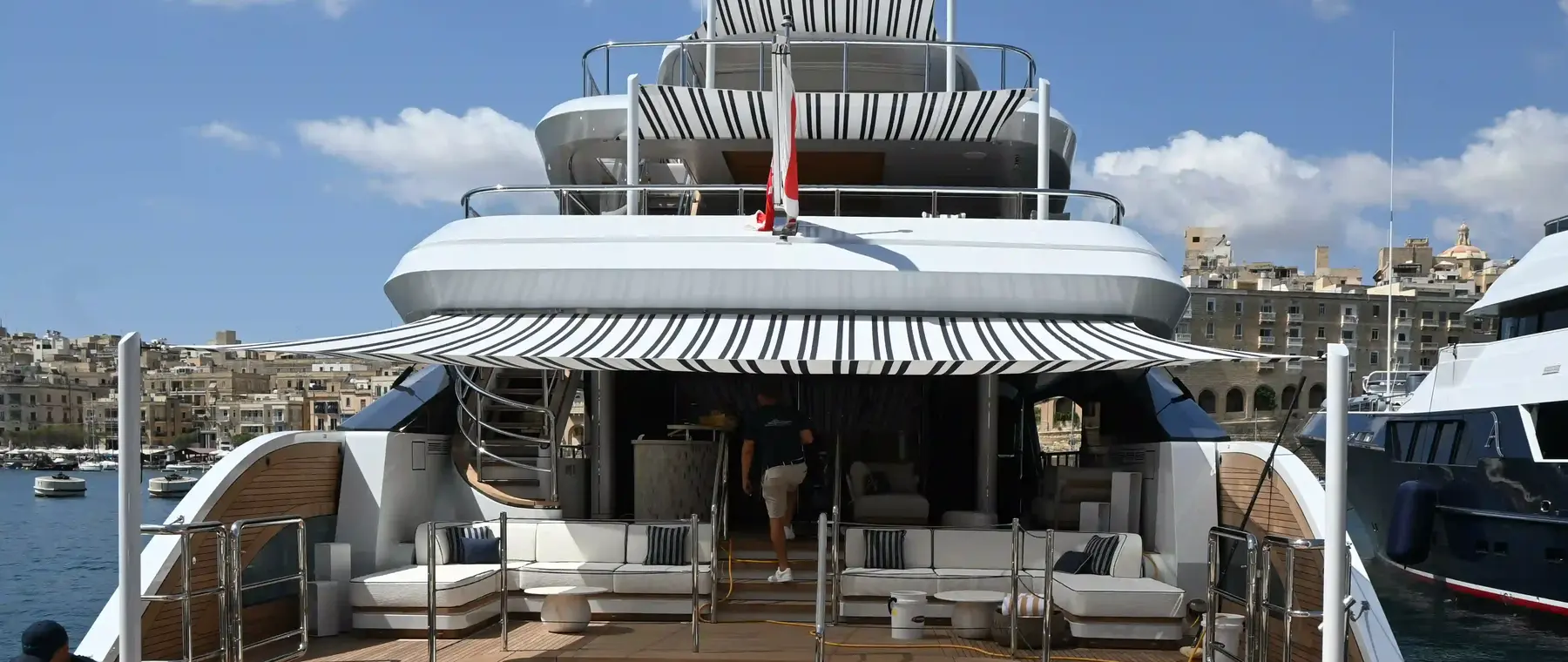
An owner's arrival can transform a quiet yacht into a fully operational private residence within hours. Long before the gangway welcome, every department is working through technical checks, provisioning, housekeeping, itinerary planning and hundreds of personal details intended to make the transition appear effortless.
When an owner steps aboard a superyacht, the yacht should already feel as though it has been waiting for them rather than being prepared for them. Cabins are ready, preferred drinks are cold, tenders are fuelled, communications work, the itinerary has been checked and the crew appear calm, even when the previous 24 hours have involved an intense operation across every department.
That apparent effortlessness is one of the defining standards of professional yacht service. Preparing for an owner is not simply a deep clean followed by flowers and chilled champagne; it is a coordinated return to full guest operation involving the captain, bridge team, engineers, deck crew, interior department, galley and often shore-based management, agents and suppliers.
The work may begin days or even weeks before the owner's aircraft lands. The closer the yacht gets to arrival time, however, the more tightly those separate preparations have to come together, because a technical defect, missing provision or misunderstood preference that seemed minor in the morning can become very visible once the owner is standing on the passerelle.
One of the first questions is not simply when the owner will arrive, but exactly who will be travelling with them. The captain and senior interior team need confirmed guest numbers, arrival times, transport arrangements, cabin allocation, dietary requirements, medical considerations, planned activities and any visitors expected during the stay.
On well-run yachts, much of this information already exists in detailed owner and guest preference records. These can include preferred brands of water, wines and spirits, pillow types, flowers, cabin temperature, toiletries, music, newspapers, coffee, meal times, exercise routines and even where particular personal items are normally placed.
Those records are valuable only when they are current. Preferences change, children grow older, diets alter, favourite products disappear from the market and an owner who wanted formal dinner service several years ago may now prefer almost everything served casually outside.
The chief steward or purser will therefore normally confirm the latest information rather than assuming the previous trip can simply be repeated. Y.CO describes this ability to anticipate preferences and make a yacht feel personally tailored as one of the differences between competent crew service and exceptional service.
Arrival logistics are also established at this stage. Flights, helicopter transfers, cars, baggage, security requirements, pets, medical equipment and last-minute guests can all affect the plan, and the yacht may need to coordinate with an airport handler, yacht agent, driver, marina, security company or family office before anyone reaches the dock.
The captain has to translate what the owner wants to do into something the yacht can safely and legally deliver. A requested itinerary may look straightforward from the owner's perspective while involving berth reservations, pilotage, weather analysis, fuel planning, customs formalities, tender restrictions, local regulations and contingency anchorages behind the scenes.
Weather is particularly important because the owner may be joining with a strong expectation of where the yacht will go next. The bridge team will review forecasts, sea state, wind, routing and local conditions before arrival so that any necessary change of plan can be explained with alternatives already prepared rather than introduced as a last-minute problem.
Berths and anchorages also need confirmation rather than assumption. During peak Mediterranean and Caribbean periods, a yacht may be competing for limited space, while draft, length, tender operations, noise restrictions or local weather exposure can make a technically available berth unsuitable for the owner's programme.
The captain will normally brief senior crew on the expected itinerary and timing before the owner arrives. This allows engineering to understand likely generator and propulsion demands, the deck department to prepare toys and tenders for the anticipated programme, and the interior and galley teams to plan service around movements rather than reacting to them afterward.
A good arrival plan includes alternatives because owners frequently change their minds once aboard. The yacht might have expected to remain alongside for dinner, only for the owner to decide that the weather is perfect and departure should happen immediately, which means the crew must be capable of transitioning from hotel mode to sea-going operation with very little notice.
Engineering preparation is successful when the owner notices almost none of it. Air-conditioning should already have every guest area at the correct temperature, hot water should be immediate, lighting should work, lifts should operate, stabilisers and generators should be ready, internet should connect and there should be no unexplained noise, smell or vibration.
The engineering team will normally work through machinery and hotel-system checks before guest operations begin. Generators, propulsion equipment, steering, stabilisers, chilled-water systems, freshwater production, sewage treatment, hydraulic systems, fuel transfer and other essential machinery have to be considered in relation to the yacht's expected programme rather than merely shown as operational on a maintenance screen.
Guest-facing technology creates another large workload. Televisions, streaming systems, cabin controls, Wi-Fi, audio zones, lighting scenes, blinds and device connectivity may all have worked perfectly during the previous trip but still need testing because software updates, network changes and equipment left idle can produce faults at exactly the wrong moment.
A useful test is to operate the yacht as an owner would rather than as an engineer would. Switching a system on from the machinery interface proves less than walking into the owner's cabin and confirming that the bedside control, television remote, air-conditioning adjustment, shower and charging outlets all behave correctly from the user's perspective.
The final hours before arrival are also a poor time for unnecessary engineering experimentation. Non-essential work that could create noise, odour, dust, loss of services or a risk of an unexpected shutdown is normally better completed earlier, leaving the yacht technically stable as guest arrival approaches.
Exterior preparation is far more detailed than washing the yacht. Stainless steel, glass, paintwork, teak, furniture, cushions, awnings, passerelles, handrails and guest access areas are checked closely because the owner often sees the exterior before encountering any other part of the yacht.
Salt deposits and water marks that would barely register during a working day become conspicuous when the yacht is presented for arrival. Deck teams therefore move progressively from heavy cleaning toward final detailing, avoiding jobs that simply recreate spray, footprints or equipment clutter after areas have already been finished.
Tenders and water toys are prepared according to the owner's likely programme rather than displayed indiscriminately. Engines are checked, fuel is confirmed, safety equipment is aboard, batteries are charged and equipment such as personal watercraft, Seabobs, diving gear or e-foils is made ready where appropriate.
The tender can be particularly important when the owner arrives at anchor rather than alongside. In that situation, the first physical contact with the yacht's operation is often the tender pickup, so cleanliness, crew presentation, luggage handling, communications and the quality of the transfer immediately establish the tone for the stay.
Mooring equipment and deck machinery remain operational priorities despite the emphasis on appearance. Windlasses, capstans, lines, fenders, cranes and passerelles must be ready for the next movement, because polishing a yacht to perfection is of little value if the crew then struggles with equipment when the owner asks to leave.
The interior department usually carries the most visible burden of turning a working vessel back into the owner's private environment. Guest spaces may have been protected during maintenance, used by contractors or simply kept closed while the yacht was between trips, and all of that has to disappear before arrival.
Cabins are detailed from the owner's perspective rather than merely cleaned. Linen, towels, wardrobes, toiletries, flowers, bedside items, stationery, water, reading material and personal belongings are arranged according to established preferences, while lighting and temperature are checked as part of the same process.
Public areas require similar attention, but the goal is not always maximum decoration. Experienced interior teams know whether an owner prefers formal flowers and carefully staged tables or a much simpler environment where the yacht looks relaxed and residential rather than prepared for a photo shoot.
Table settings, bars and service stations are prepared around what is expected to happen first. If the owner normally arrives wanting coffee and a quiet meeting with the captain, the setup will be different from an arrival that moves immediately into lunch with ten guests or cocktails before departure.
Laundry and wardrobe preparation can become a significant operation when personal clothing is already stored aboard. Items may need pressing, seasonal wardrobes changing, shoes checking and luggage unpacking rapidly after arrival, all while the guest areas remain composed and service continues around the owner.
Provisioning can begin well before the yacht reaches the owner's embarkation port because specialist products may be difficult to source locally. The chef works from preference information, anticipated guest numbers and the itinerary to decide what must be purchased before arrival and what can be obtained fresh as the trip develops.
Dietary requirements receive particular attention because they involve more than personal taste. Allergies, intolerances, religious requirements and medically restricted diets may require separate ingredients, storage, preparation procedures and communication across the service team so that an apparently harmless garnish or snack does not create a serious problem.
The chef is also preparing for unpredictability. A written menu plan may provide structure, but owners can change meal times, invite guests aboard, request something entirely different or decide after dinner that they would like food again several hours later.
Storage therefore has to balance choice against the finite capacity of the yacht. Refrigerators, freezers, dry stores and beverage areas are organised so the crew can provide variety without filling working spaces so aggressively that products become inaccessible or stock rotation breaks down.
Food and drinking-water hygiene remain operational requirements rather than elements of luxury presentation. The Maritime Labour Convention establishes regulated standards for food and catering aboard ships to which it applies, while professional yacht operations generally extend careful hygiene, storage and galley-management practices into guest provisioning as well.
Owners often experience the destination through arrangements that the crew has made ashore. Restaurant bookings, beach clubs, vehicles, guides, security, golf, spa appointments, diving, permits and private excursions may all need to be confirmed before arrival, particularly during busy periods when premium availability disappears quickly.
The purser, captain or yacht agent may also be managing passports, visas, customs documentation, guest lists and port formalities. These administrative tasks rarely appear in the finished guest experience, but an error can prevent a smooth arrival or restrict a planned movement later in the itinerary.
Cash, cards, local currency and operational accounts may also need attention depending on the destination and the yacht's procedures. Even highly sophisticated operations still encounter suppliers or local services where conventional corporate payment processes are impractical, making controlled access to appropriate funds part of readiness.
Security planning varies considerably between yachts and owners. Some arrivals require little more than normal gangway control, while others involve advance teams, private security staff, protected transport, confidentiality arrangements and strict restrictions on information about the yacht's movements.
Privacy is particularly important because owner arrival is often the moment when public interest in a yacht increases. Crew need to understand what can be discussed ashore, what should never be posted on social media and how guest information, itineraries and personal habits are handled within the team.
As arrival approaches, the heads of department bring their separate preparations together. The captain or senior crew may run through arrival time, guest names, cabin allocations, service expectations, dress, itinerary, safety considerations, luggage arrangements and any unusual requirements so that everyone is working from the same information.
This briefing also prevents the owner from becoming the communication system. If the interior department knows that guests are going directly to lunch, deck knows that a tender trip is expected afterward and engineering knows departure may follow immediately, the crew can prepare in parallel rather than repeatedly asking the owner what is happening next.
Presentation standards are usually tightened during the final period before arrival. Tools disappear, crew areas are secured, working clothing is changed where necessary and non-essential movement through guest areas is reduced, but operational safety should never be sacrificed simply to make the crew less visible.
Rest planning is an important part of this preparation even though it attracts less attention than polishing or provisioning. An exhausted crew may produce a perfect-looking yacht at the moment of arrival and then struggle to sustain safe navigation and high service standards once the owner's programme begins, which is why professionally managed operations have to balance presentation against applicable hours-of-rest requirements and sensible fatigue management.
The Maritime Labour Convention addresses hours of work and rest, accommodation, food, health protection and occupational safety for seafarers on vessels within its scope. Commercial yacht operations under applicable flag-state regimes must therefore prepare for guest service within a wider framework that continues to protect crew welfare and safe operation.
The final hour before an owner's arrival is ideally not when the yacht is busiest. Major provisioning deliveries, engineering repairs, garbage removal, deck washing and contractor movements should already be finished so that the vessel can settle into the calm state the owner expects to find.
Senior crew normally complete a final walk-through, looking for the small details that separate operational readiness from presentation readiness. A misplaced cleaning cloth, dead flower, fingerprint on a door, missing water bottle, uncharged remote or noisy piece of equipment can undermine hours of otherwise excellent preparation because these are precisely the details visible to someone arriving fresh.
The same walk-through should never become purely cosmetic. Doors, guest access routes, lighting, temperature, communications and safety equipment need to make sense for the actual arrival plan, particularly if guests are embarking after dark, through a tender or directly into an immediate departure.
The crew then shifts from preparation mode into service mode. Radios become quieter, departments take their positions, luggage handling is organised and the captain or senior crew prepare to meet the owner while the rest of the team continues working without creating the impression of activity.
A superyacht can never be prepared for every possible request, because part of ownership is the freedom to change the plan. What distinguishes a strong crew is therefore not the ability to predict every decision, but the depth of preparation that makes changes relatively easy to absorb.
Good provisioning provides alternatives, technical preparation creates redundancy, itinerary planning produces fallback options and detailed preference knowledge reduces the number of questions that have to be put back to the owner. Every department contributes to creating room for spontaneity rather than forcing the owner's programme to follow what is convenient for the yacht.
This is also why an experienced permanent crew can become particularly valuable on a private yacht. Over time they learn not just explicit instructions but rhythms: when an owner wants conversation, when they prefer privacy, how formal service should feel, which cabin details matter and which apparent preferences are actually habits that should happen automatically.
Y.CO describes this as making the yacht feel tailored to the people aboard, while Fraser similarly emphasises the importance of advance preference information in allowing crew to prepare around individual requirements. The luxury is not simply that somebody can provide almost anything on request; it is that much of what the owner wants is already there before it needs to be requested.
The best owner arrivals can therefore look deceptively simple. A car stops, luggage disappears, the owner walks aboard and within minutes the yacht feels like home, but behind that moment sits days of planning and a final coordinated effort by people whose success is measured largely by how little of their work the owner ever has to notice.
Continue reading
A sanctions freeze can immobilise a superyacht without making its crew sanctioned, leaving wages, contracts and daily operations caught between employment law and financial …

Gard’s 2026 Crew Claims Report draws on about 3,000 P&I crew claims and finds elevated injury risk early in a crew member’s time on …
Yacht Chef Salary 2026: Pay, Tips and Charter Earnings Yacht-chef pay depends on yacht size, private or charter use, professional background, qualifications, rotation and …
Superyacht Customs and Immigration: How Border Clearance Works International yacht clearance normally combines vessel declarations, crew and passenger information, customs formalities, immigration and health …
Superyacht Guide
Continue into the wider Superyacht Guide.
Business opportunities · Superyacht Guide
Companies serving the superyacht market can discuss clearly identified advertising, sponsorship and business-profile opportunities. Commercial activity remains separate from independent editorial coverage.